
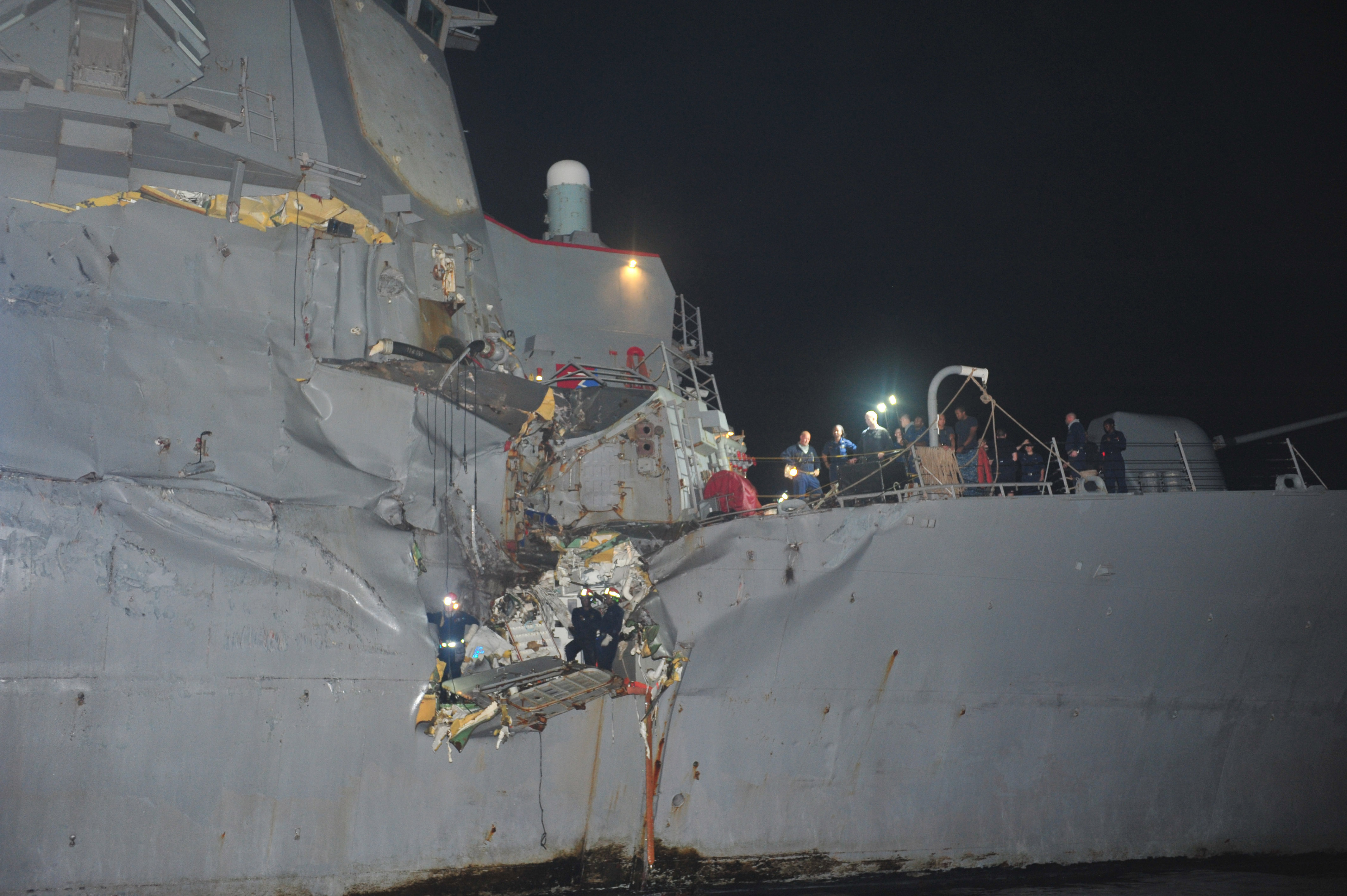
The United States launched self-defense strikes against Iran after U.S. warships came under fire in the Strait of Hormuz [1, 2, 3].
The escalation threatens to derail diplomatic progress toward a peace deal between the two countries. The Strait of Hormuz is a critical global shipping lane, and renewed hostilities in the region often trigger volatility in international energy markets [3].
U.S. officials said the strikes were a direct response to attacks on American naval vessels [1, 2, 3]. The military operation targeted Iranian positions following the engagement in the narrow waterway that connects the Persian Gulf with the Gulf of Oman [2, 3].
These strikes occur during a period of sensitive negotiations aimed at establishing a long-term peace agreement. The sudden shift back to kinetic conflict puts the viability of those talks in jeopardy [1, 2, 3].
Global oil prices have risen as the fresh strikes cast a shadow over the promised peace deal [3]. Markets typically react to instability in this region due to the volume of petroleum transported through the strait [3].
Neither side has provided a detailed casualty count or a full list of targets hit during the engagement. The U.S. said the actions were necessary for the protection of its personnel and assets in the region [1, 2].
“The United States launched self-defense strikes against Iran after U.S. warships came under fire.”
The return to military engagement in the Strait of Hormuz signals a precarious moment for U.S.-Iran diplomacy. By prioritizing immediate tactical self-defense over diplomatic stability, the U.S. risks a cycle of escalation that could permanently collapse the current peace-deal framework and sustain upward pressure on global oil prices.


