
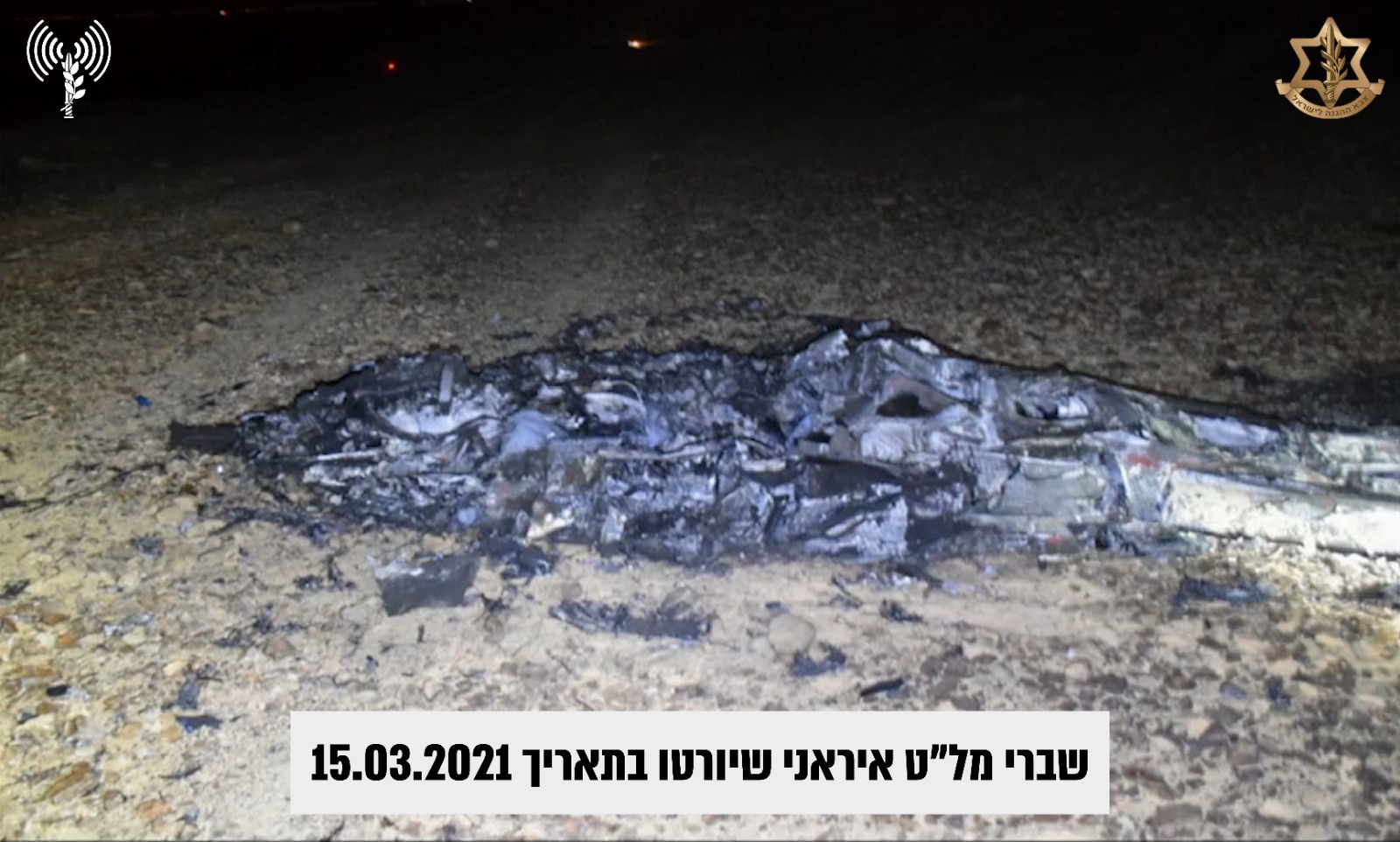
U.S. military forces struck Iranian coastal radar and surveillance sites on June 6, 2024 [1, 2], after intercepting drones in the Strait of Hormuz.
The escalation in one of the world's most critical oil transit chokepoints heightens fears of a direct military confrontation between Washington and Tehran. These strikes mark a significant shift in the tactical posture of U.S. Central Command in the region.
U.S. Central Command said the operations were conducted in self-defense. The military action followed the launch of four Iranian attack drones toward the Strait of Hormuz [1, 4]. The U.S. successfully intercepted these drones before they could reach their targets [4].
In response to the drone threat, U.S. forces targeted Iranian coastal radar and surveillance installations [2, 3]. Specifically, the strikes hit radar sites located on Qeshm Island [3, 5]. These facilities are critical for monitoring maritime and aerial traffic entering and exiting the Gulf.
Reports regarding the trigger for the strikes vary. Some sources said the U.S. acted after Tehran shot down an American drone over the preceding weekend [6]. Other reports emphasize the immediate threat posed by the four drones launched on June 6, 2024 [1, 4].
CENTCOM officials said the strikes were a measured response to Iranian aggression. The U.S. military maintains that its presence in the region is intended to ensure the free flow of commerce, and the safety of international shipping lanes [4, 5].
Iranian officials have not yet provided a detailed public accounting of the damage to the Qeshm Island facilities, though the U.S. confirmed the sites were struck [3, 5].
“U.S. military forces struck Iranian coastal radar and surveillance sites on June 6, 2024.”
The targeting of Qeshm Island radar sites is a strategic move to degrade Iran's early-warning capabilities in the Strait of Hormuz. By neutralizing surveillance infrastructure, the U.S. limits Tehran's ability to monitor naval movements, potentially creating a tactical advantage for U.S. forces while signaling a low tolerance for drone incursions in the Gulf.


'%2F%3E%0A%20%20%20%20%3Crect%20width%3D'1600'%20height%3D'900'%20fill%3D'url(%23v)'%2F%3E%0A%20%20%20%20%3Cg%20opacity%3D'0.08'%20fill%3D'%23ffffff'%3E%0A%20%20%20%20%20%20%3Ccircle%20cx%3D'1420'%20cy%3D'180'%20r%3D'220'%2F%3E%0A%20%20%20%20%20%20%3Ccircle%20cx%3D'1500'%20cy%3D'760'%20r%3D'120'%2F%3E%0A%20%20%20%20%3C%2Fg%3E%0A%20%20%20%20%3Cline%20x1%3D'80'%20y1%3D'172'%20x2%3D'220'%20y2%3D'172'%20stroke%3D'%23ffffff'%20stroke-width%3D'3'%20stroke-opacity%3D'0.6'%2F%3E%0A%20%20%20%20%3Ctext%20x%3D'80'%20y%3D'140'%20font-family%3D'Inter%2C%20-apple-system%2C%20Helvetica%2C%20sans-serif'%20font-weight%3D'700'%20font-size%3D'28'%20fill%3D'%23ffffff'%20letter-spacing%3D'6'%3EHANNA%20%C2%B7%20NEWS%3C%2Ftext%3E%0A%20%20%20%20%3Ctext%20x%3D'80'%20y%3D'230'%20font-family%3D'Inter%2C%20-apple-system%2C%20Helvetica%2C%20sans-serif'%20font-weight%3D'600'%20font-size%3D'40'%20fill%3D'%23ffffffb3'%20letter-spacing%3D'4'%3EWORLD%3C%2Ftext%3E%0A%20%20%20%20%3Ctext%20x%3D'80'%20y%3D'694'%20font-family%3D'Playfair%20Display%2C%20Georgia%2C%20serif'%20font-weight%3D'800'%20font-size%3D'110'%20fill%3D'%23ffffff'%20letter-spacing%3D'-1'%3EIndian%20Students%20Protest%3C%2Ftext%3E%3Ctext%20x%3D'80'%20y%3D'820'%20font-family%3D'Playfair%20Display%2C%20Georgia%2C%20serif'%20font-weight%3D'800'%20font-size%3D'110'%20fill%3D'%23ffffff'%20letter-spacing%3D'-1'%3ENEET-UG%202026%20Paper%20Leaks%3C%2Ftext%3E%0A%20%20%20%20%3Ctext%20x%3D'80'%20y%3D'870'%20font-family%3D'Inter%2C%20-apple-system%2C%20Helvetica%2C%20sans-serif'%20font-weight%3D'500'%20font-size%3D'22'%20fill%3D'%23ffffff66'%20letter-spacing%3D'2'%3Enews.hanna-ai.com%3C%2Ftext%3E%0A%20%20%3C%2Fsvg%3E)