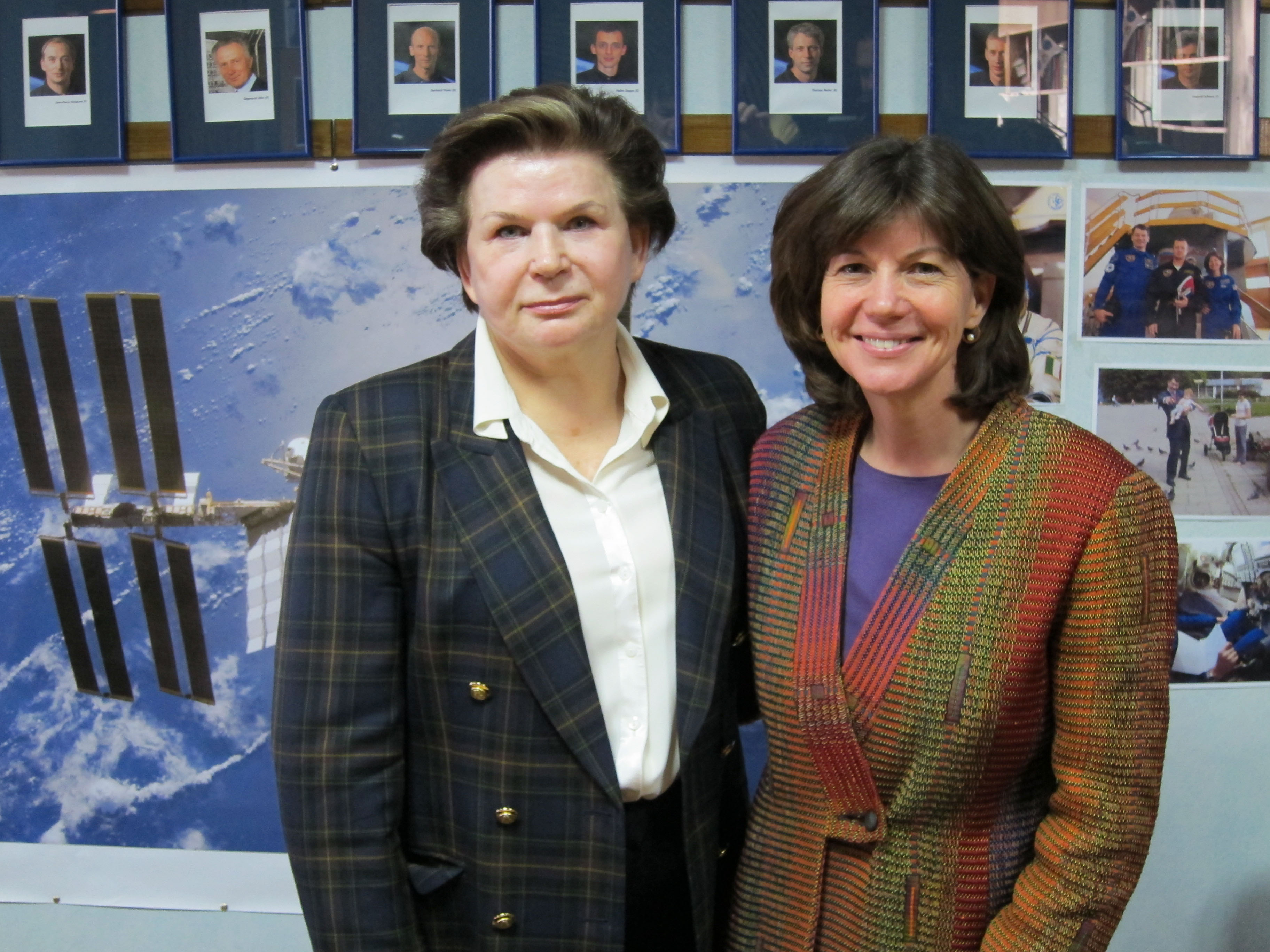
Valentina Tereshkova became the first woman to travel to space June 16, 1963, aboard the Soviet Vostok 6 spacecraft [1].
This milestone represented a significant shift in the Space Race, demonstrating that women were capable of enduring the physical and psychological rigors of orbital flight. It served as a powerful tool for Soviet propaganda during the Cold War era.
Tereshkova was 26 years old at the time of her launch [1]. She departed from the Baikonur Cosmodrome in Kazakhstan, marking the first time a female pilot entered the vacuum of space [1]. The mission was not merely a scientific endeavor but a political statement by Soviet leader Nikita Khrushchev to showcase Soviet achievements in space and gender equality [1].
During the mission, Tereshkova completed 48 orbits [1]. The flight lasted nearly three days [1]. Her journey aboard Vostok 6 provided the Soviet Union with critical data on how the female body responded to spaceflight, a necessary step before the era of mixed-gender crews.
The launch was part of a broader strategy to maintain a lead over the U.S. in space exploration. By sending a woman into orbit, the Soviet Union aimed to project an image of social progress and technological superiority to the global community [1].
“Valentina Tereshkova became the first woman to travel to space June 16, 1963.”
Tereshkova's flight broke a critical gender barrier in aerospace, though the mission's primary drivers were geopolitical rather than purely scientific. By utilizing the Vostok 6 mission as a symbol of gender equality, the Soviet Union sought to outpace the U.S. in the ideological battle of the Cold War, establishing a precedent for female participation in space exploration that would take decades to be mirrored by other nations.


