
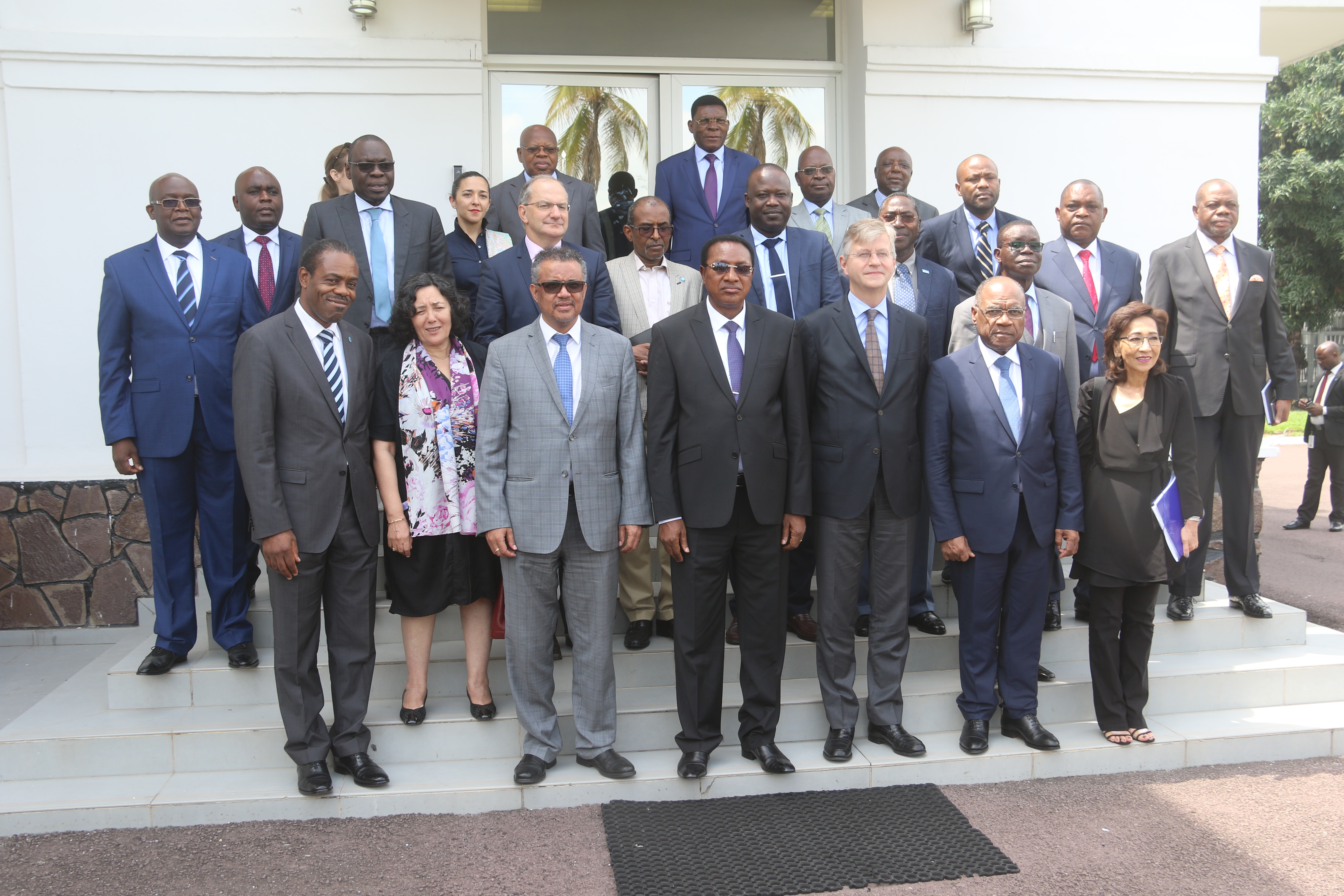
WHO Director-General Dr. Tedros Adhanom Ghebreyesus visited Bunia, the epicentre of an Ebola outbreak in the Democratic Republic of Congo, on Saturday [1].
The visit highlights the critical struggle to contain a virus that is currently outpacing medical interventions in a region plagued by instability. Without safe passage for health workers and local cooperation, the outbreak risks expanding beyond the current boundaries of the Ituri province [2].
Dr. Tedros traveled to the eastern region of the country to assess the spread of the disease and the effectiveness of the current response [3]. During his visit to Bunia, he emphasized that the medical community cannot fight the epidemic alone. He said, "We need communities to play a central role in fighting the disease" [4].
Access to affected areas remains a primary obstacle due to ongoing conflict in the region. Dr. Tedros urged warring parties to implement a temporary truce to prioritize public health. He said, "Please, declare a ceasefire. Even briefly. Even just enough to let health workers through. People are dying from Ebola who..." [5].
The Director-General noted that the speed of the transmission remains a significant concern for the World Health Organization. He said, "The virus still spreads faster than the response" [6].
Local participation is viewed as the only viable way to track contacts, and treat patients in remote areas. By engaging community leaders, the WHO hopes to overcome distrust and ensure that those infected receive care before the virus spreads further within the province [1, 3].
“"The virus still spreads faster than the response."”
The request for a ceasefire underscores the intersection of humanitarian crises and infectious disease. In conflict zones like Ituri province, the breakdown of security infrastructure transforms a manageable health crisis into a potential regional catastrophe, as medical teams cannot maintain the consistent surveillance and treatment protocols required to break the chain of Ebola transmission.


