
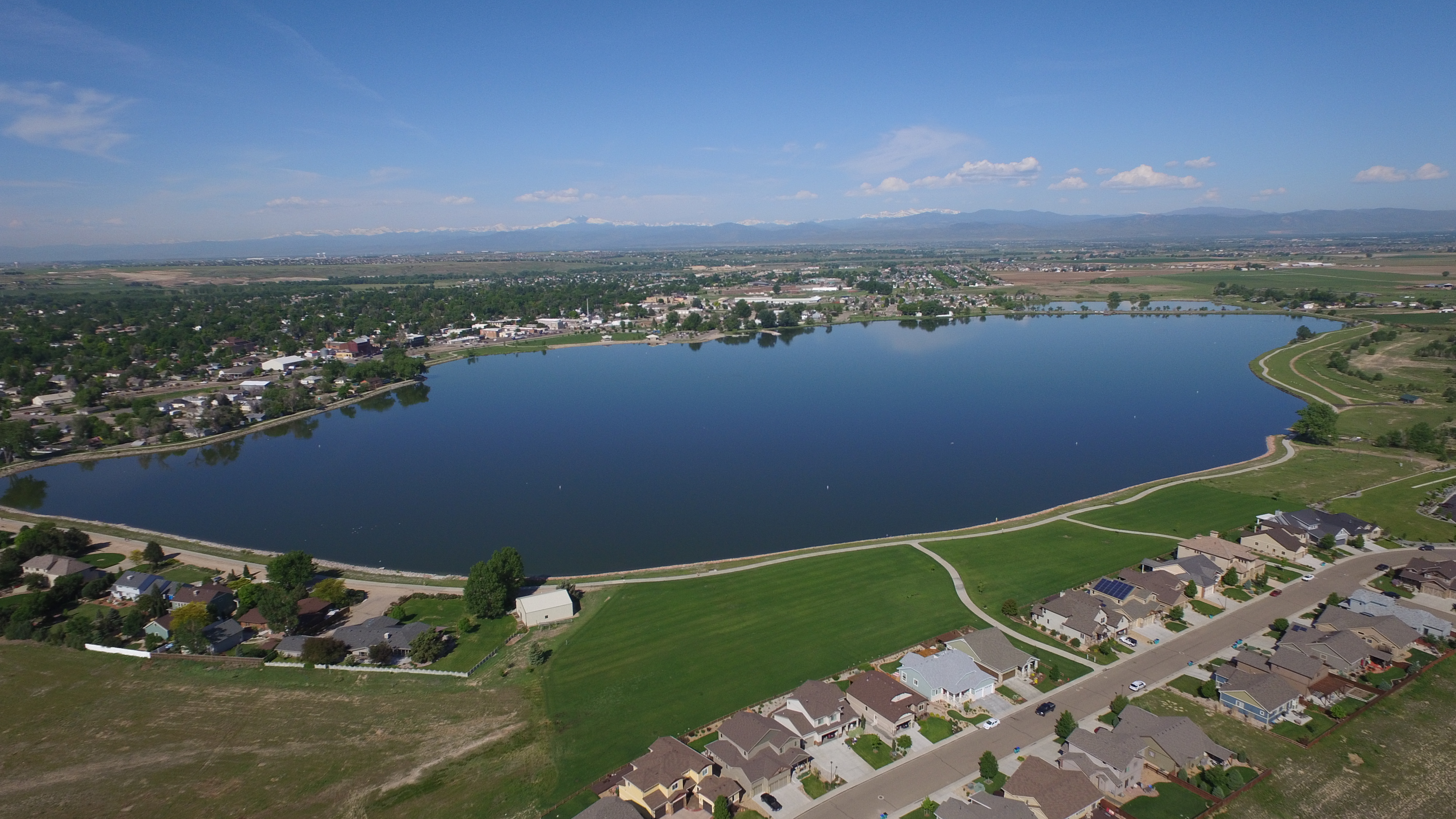
The Town of Windsor has closed Windsor Lake to all motorized boating for the 2026 season [1].
The decision highlights the increasing instability of water resources in Northern Colorado. As water levels fluctuate, local governments must prioritize lake preservation and safety over recreational access.
Town officials said the closure on Monday, citing projections that water levels will decline rapidly [1], [2]. The suspension applies specifically to the 2026 boating season [1], preventing the issuance of motorized boating permits for the duration of the year [2].
Windsor Lake serves as a primary recreational hub for the region. The lack of motorized access means that traditional powerboats and motorized watercraft cannot operate on the lake, a move intended to protect the remaining water volume and prevent environmental damage associated with low-water operations.
Officials said the decision was based on water level projections that suggest the lake will not maintain the depth necessary to safely support motorized vessels [1], [3]. While non-motorized activities may still be possible, the restriction on engines is a preventative measure against the risks posed by shallow waters.
This closure follows a pattern of water management challenges across the U.S. West. Local authorities in Northern Colorado are monitoring the situation to determine if the restrictions will remain in place or if the lake can be reopened for future seasons based on precipitation and replenishment [2].
“The Town of Windsor has closed Windsor Lake to all motorized boating for the 2026 season.”
This closure reflects a broader trend of climate-driven water scarcity in the American West. When municipal bodies like the Town of Windsor are forced to ban motorized recreation, it indicates that water levels have dropped below a critical threshold for safe and sustainable use. This shift suggests that seasonal recreational norms are becoming unpredictable, requiring more aggressive conservation strategies to maintain basic aquatic ecosystems.


