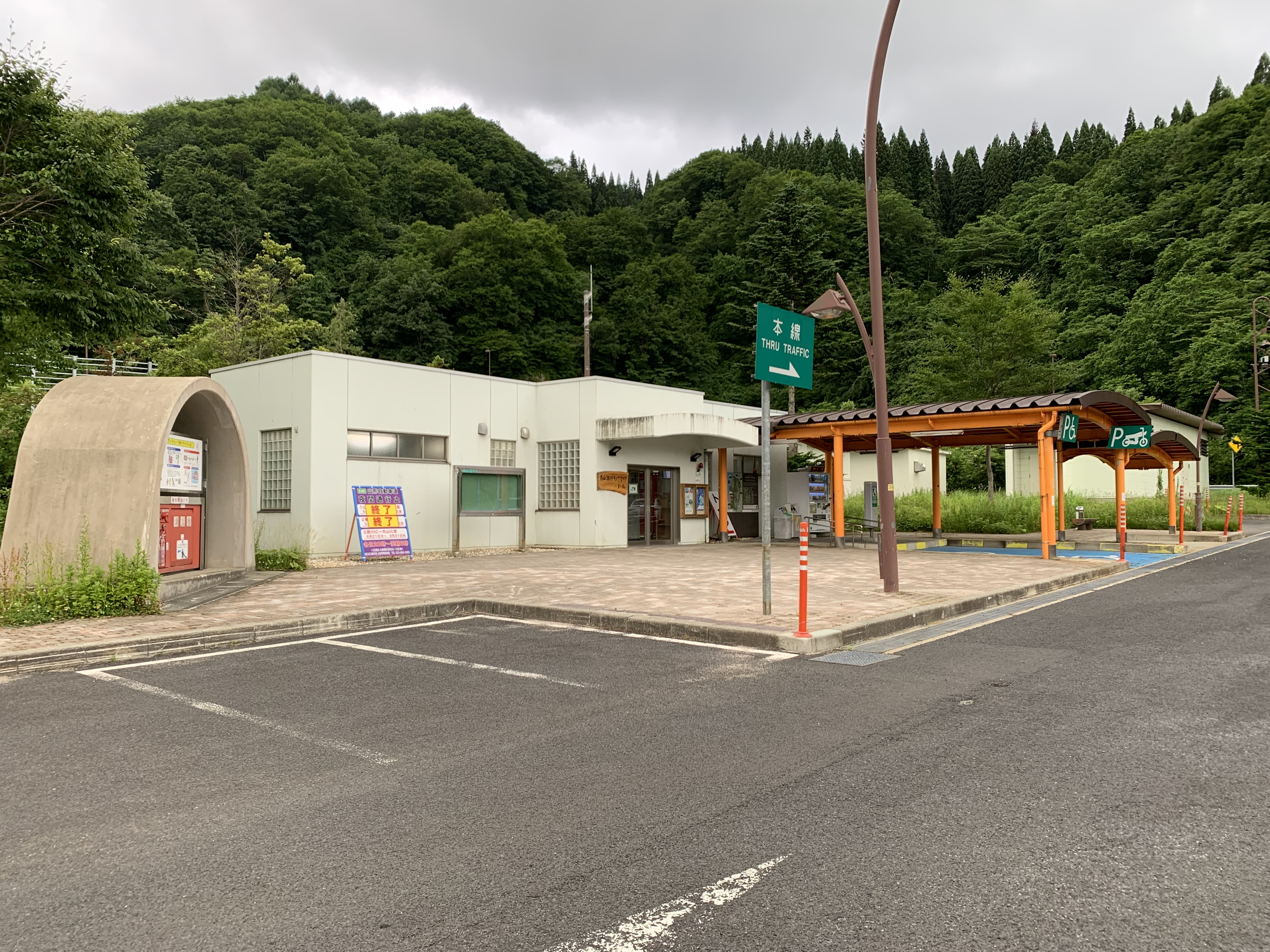
Police arrested 47-year-old Hatsue Hirano on Friday after she allegedly defrauded two people in Yamagata Prefecture parking lots [1], [2], [3].
These incidents highlight a specific pattern of opportunistic fraud where perpetrators exploit the empathy of strangers by fabricating urgent personal crises. By targeting individuals in commercial parking areas, the suspect leveraged the perceived safety of these environments to gain trust quickly.
According to investigators, the two incidents occurred in early May 2026 [1], [2], [3]. In both cases, Hirano approached victims in the parking lots of commercial facilities and claimed she was experiencing vehicle trouble [1], [2], [3].
In one instance, Hirano approached a man in his 30s. She entered his vehicle and said she needed to pick up her children and promised to repay the money [1]. The man lent her 15,000 yen [1].
In a separate encounter, Hirano approached a woman in her 70s. She claimed her tire had punctured and the car had been towed [1]. She said the victim she had no money and asked for funds to cover hotel costs [1]. The woman gave her 10,000 yen [1].
Authorities identified Hirano as having an unknown occupation [1], [2], [3]. She was arrested for two counts of fraud [1], [2], [3]. The total amount defrauded across both cases was 25,000 yen [1].
Police are continuing to investigate whether Hirano targeted other victims using similar tactics in other regions of the prefecture [1], [2], [3].
“"I have to go pick up my children. I will definitely pay you back, so please lend me money."”
This case demonstrates the use of 'social engineering' in low-stakes street crime, where the perpetrator uses specific emotional triggers—such as the safety of children or the distress of a travel breakdown—to bypass the victim's natural suspicion. The targeting of a senior citizen and a young adult suggests the suspect was opportunistic rather than selective in her victim profile.