Brazil is considering the use of its Economic Reciprocity Law to counter a 25% [1] tariff imposed by the U.S. on Brazilian products.
The move signals a potential escalation in trade tensions between the two nations. If Brazil implements these countermeasures, it could trigger a cycle of retaliatory trade barriers that affect multiple industrial sectors.
Vice President Geraldo Alckmin said the government will apply the Reciprocity Law at the "appropriate moment" [2]. This law, which was sanctioned in April 2025 [1], allows the Brazilian government to implement similar trade restrictions on countries that impose tariffs on its exports.
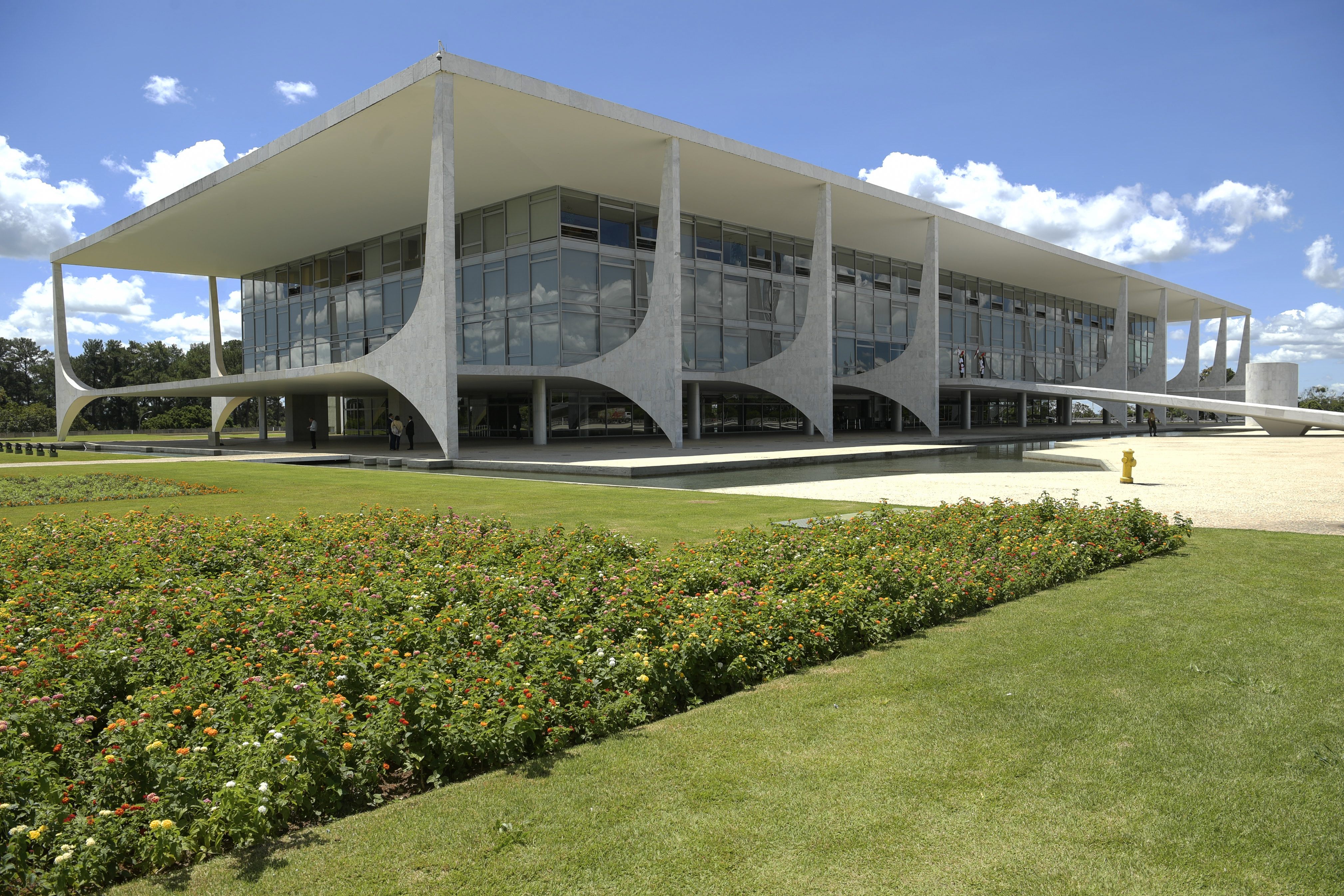
A spokesperson for the Planalto Palace said the federal government intends to trigger the law as a countermeasure [3]. The dispute follows the announcement of the 25% [1] tariff by the U.S. government earlier this month.
However, some experts warn that the strategy carries diplomatic risks. Economist Juliana Inhasz said the application of the Reciprocity Law could be viewed by the U.S. as a form of retaliation [4].
There are differing views on the timeline for implementation. While Alckmin said the law will be used when appropriate [2], other reports suggest the legal process involves a long path before the measures can be fully applied [5].
The Brazilian government is currently evaluating the specific products that would be targeted under the reciprocity framework. This evaluation aims to balance the need to protect domestic industry, and the risk of further straining relations with Washington.
“"The Reciprocity Law will be applied to the United States by the Brazilian government 'at the appropriate moment'."”
The situation reflects a shift toward protectionism in the bilateral trade relationship between Brazil and the U.S. By utilizing the 2025 Reciprocity Law, Brazil is attempting to establish a legal mechanism for trade defense, but doing so risks transforming a targeted tariff dispute into a broader trade war.


