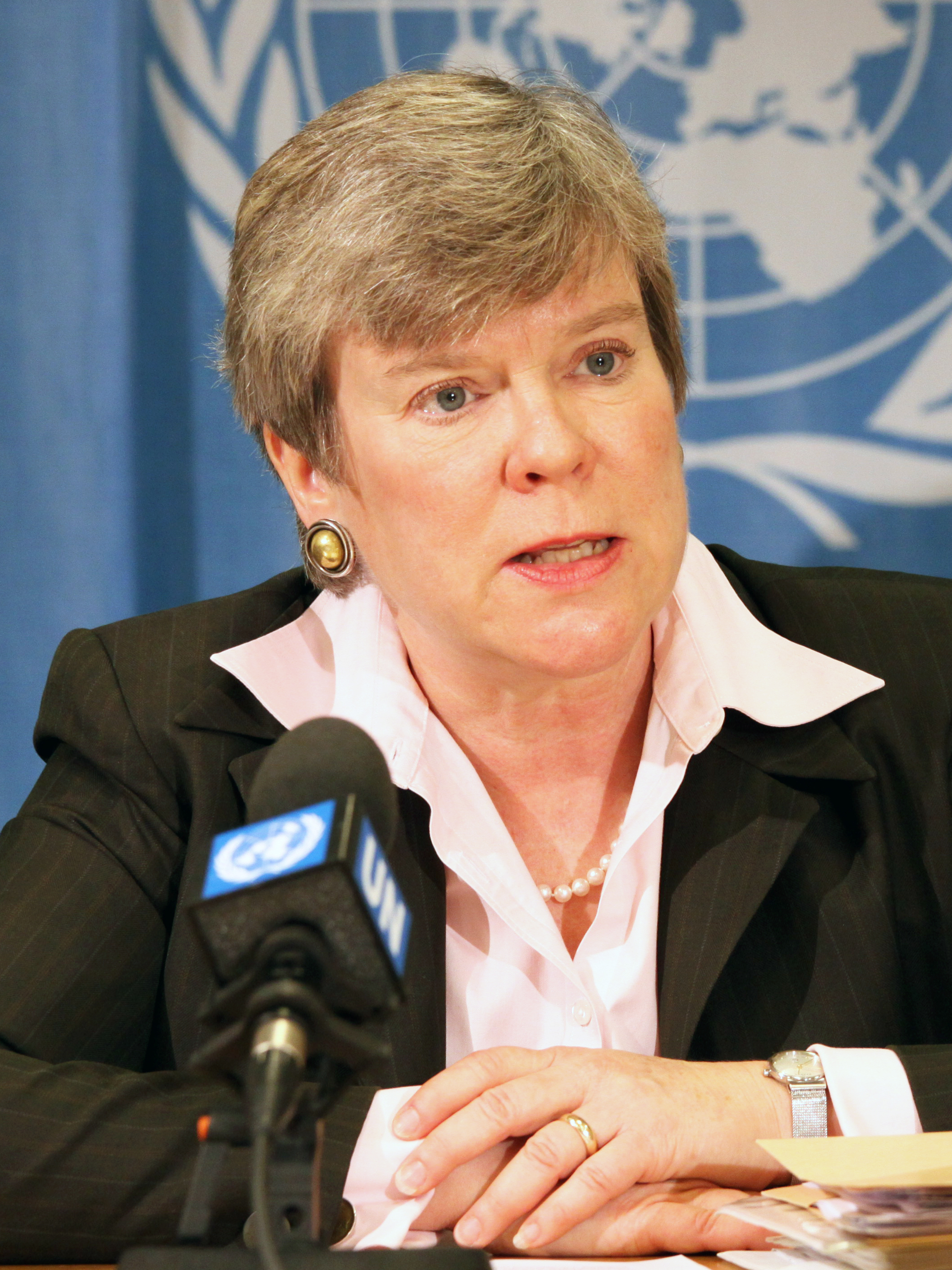
U.S. Vice President JD Vance said Iran has agreed to allow inspectors from the UN's nuclear watchdog to return to the country [2].
The agreement marks a potential turning point in the conflict between the two nations, as negotiators seek to establish a framework for a permanent end to the war and a new nuclear deal.
Following two days of discussions in Geneva, Switzerland [1], senior negotiators from the U.S. and Iran concluded their meetings on Monday, June 21 [1]. Vance said the parties have made good progress and laid a solid foundation for a deal that will end the war [1].
Beyond the return of nuclear inspectors, Vance said Iran could buy U.S. crops using assets that have been unfrozen [3]. This economic component suggests a broader effort to stabilize relations through trade and financial incentives, a shift from previous strategies of strict isolation.
While the U.S. administration highlighted the progress made in Switzerland, the talks have not included all regional stakeholders. Some reports indicate that the negotiations have shunted Israel to the sidelines, though the U.S. delegation has not explicitly detailed the role of other nations in these specific sessions.
Negotiators said the Geneva meetings were a way to solidify a permanent peace and create a foundation for a nuclear agreement [2]. The return of UN inspectors is viewed as a critical verification step to ensure Iran adheres to nuclear non-proliferation standards.
“Iran has agreed for inspectors from the UN's nuclear watchdog to return to the country,” Vance said [2].
“"We have made good progress and laid a solid foundation for a deal that will end the war."”
The return of UN inspectors and the potential for agricultural trade indicate a shift toward diplomatic normalization. By linking nuclear transparency with the unfreezing of assets, the U.S. is using a combination of verification and economic incentives to move toward a permanent ceasefire, though the exclusion of regional allies like Israel may create future diplomatic friction.