Japanese Prime Minister Sanae Takaichi and South Korean President Lee Jae Myung agreed Tuesday to cooperate on energy security and supply-chain procurement [1], [2], [3].
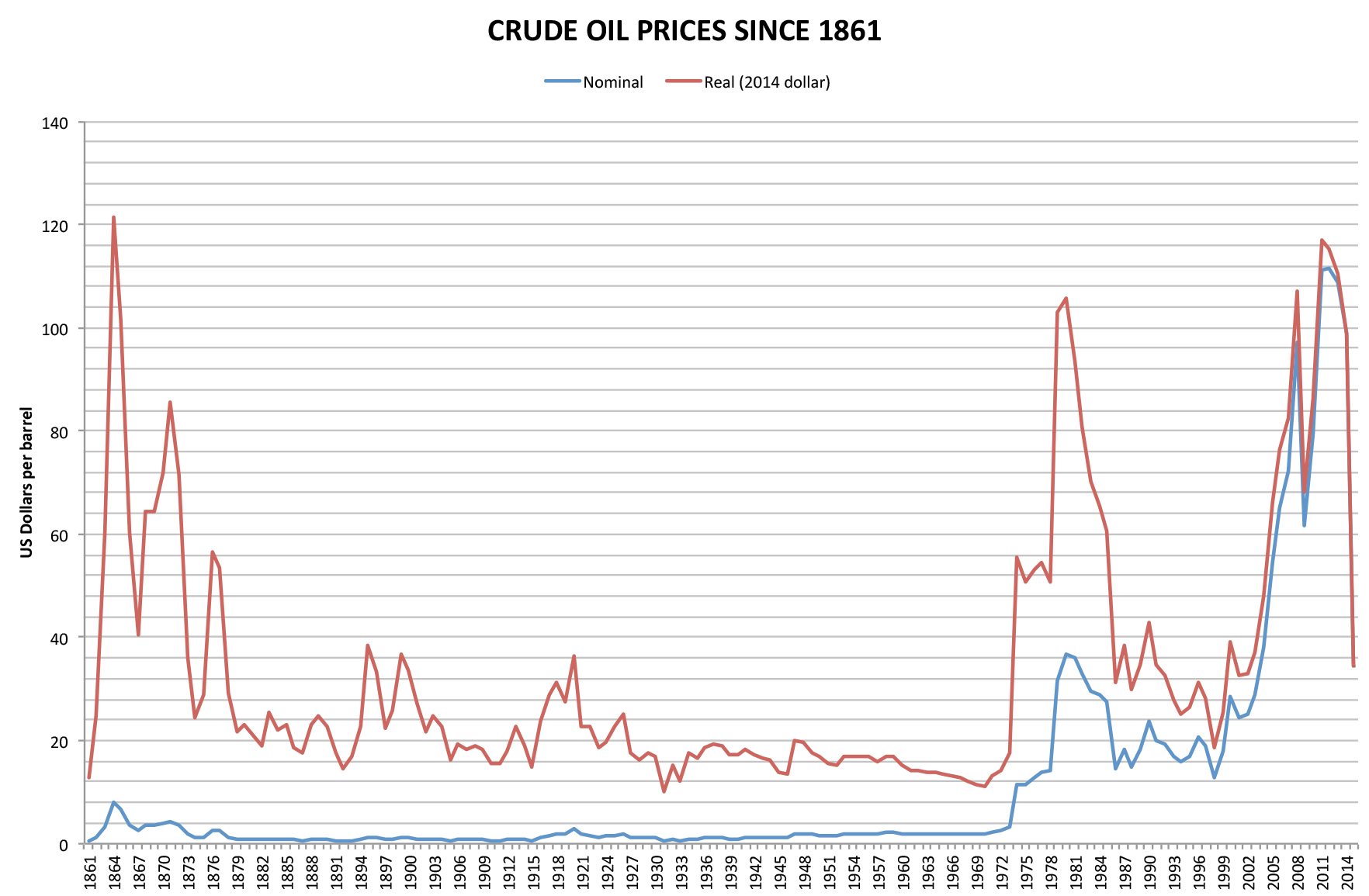
The agreement aims to protect both nations from volatile energy markets during the ongoing Middle East crisis. By coordinating the purchase of essential resources, the two neighbors seek to reduce their vulnerability to external geopolitical shocks [2], [3].
The leaders met in Andong, South Korea, which is the hometown of President Lee [1], [2]. This summit marks the second meeting of the year between Takaichi and Lee [1].
Central to the agreement is the joint procurement of crude oil and liquefied natural gas (LNG) [2], [3]. The two countries intend to boost cooperation in their respective supply chains to ensure a steady flow of energy resources [1], [2], [3].
Officials said that the partnership is a response to the instability caused by the Middle East crisis [2], [3]. The coordination is intended to provide a more stable framework for energy imports, which are critical for the industrial economies of both Japan and South Korea [2].
The meeting in Andong served as a venue for the leaders to align their strategies on regional stability and economic resilience [1], [2]. Both administrations have signaled that strengthening these ties is necessary to maintain energy security in an increasingly unpredictable global environment [2], [3].
“Japanese Prime Minister Sanae Takaichi and South Korean President Lee Jae Myung agreed Tuesday to cooperate on energy security.”
This agreement signals a strategic shift toward energy interdependence between Japan and South Korea. By coordinating the procurement of crude oil and LNG, the two nations are attempting to create a collective bargaining bloc or a mutual safety net to mitigate the risks posed by instability in the Middle East, which is a primary source of their energy imports.