
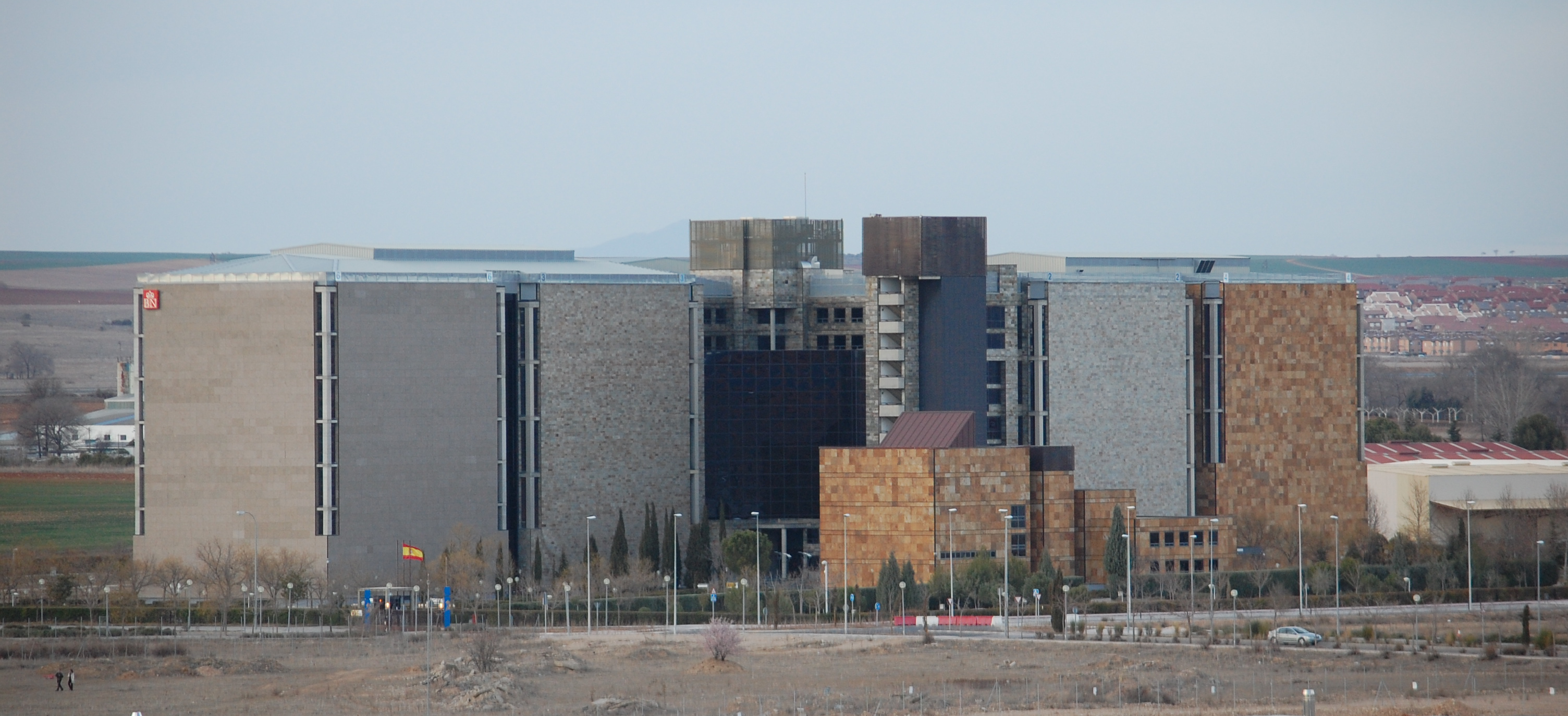
Researchers at the Centro de Recursos Fitogenéticos de Alcalá de Henares are studying ancestral crop varieties to identify genes that can withstand climate change [1].
This work is critical because global food security relies on a dangerously narrow genetic base. Two-thirds of the world's food comes from only nine plant species [2], leaving the global food supply vulnerable to pests and extreme weather.
Located on the outskirts of Alcalá de Henares, Madrid, the facility serves as Spain's largest seed bank. The center currently stores tens of thousands of seeds from ancestral crops [1]. Scientists at the facility analyze these varieties to find specific genetic traits that allow plants to survive harsh conditions, such as prolonged droughts or unusually warm winters, that are becoming more common due to environmental shifts [1].
By cataloging these genetic markers, the bank provides a blueprint for developing more resilient agricultural crops. The process involves comparing the hardiness of ancient strains against modern commercial varieties that have often lost their natural resistance in favor of higher yields [1].
The effort mirrors a global movement to safeguard biodiversity. Geoffrey Hawtin and Cary Fowler, who are scheduled to receive the World Food Prize this Thursday, share a similar mission to protect as many seeds as possible to utilize their genetic characteristics in the future [3].
Maintaining these repositories ensures that the genetic diversity of the past remains available for future breeding programs. The researchers in Madrid focus on extracting the specific genes necessary for adaptation, ensuring that agriculture can evolve alongside a changing planet [1].
“Two-thirds of the world's food comes from only nine plant species.”
The focus on ancestral seeds highlights a shift in agricultural science from maximizing yield to prioritizing resilience. By leveraging the genetic diversity of 'forgotten' crops, scientists aim to prevent systemic food failures that could occur if modern monocultures succumb to the accelerating effects of climate change.


