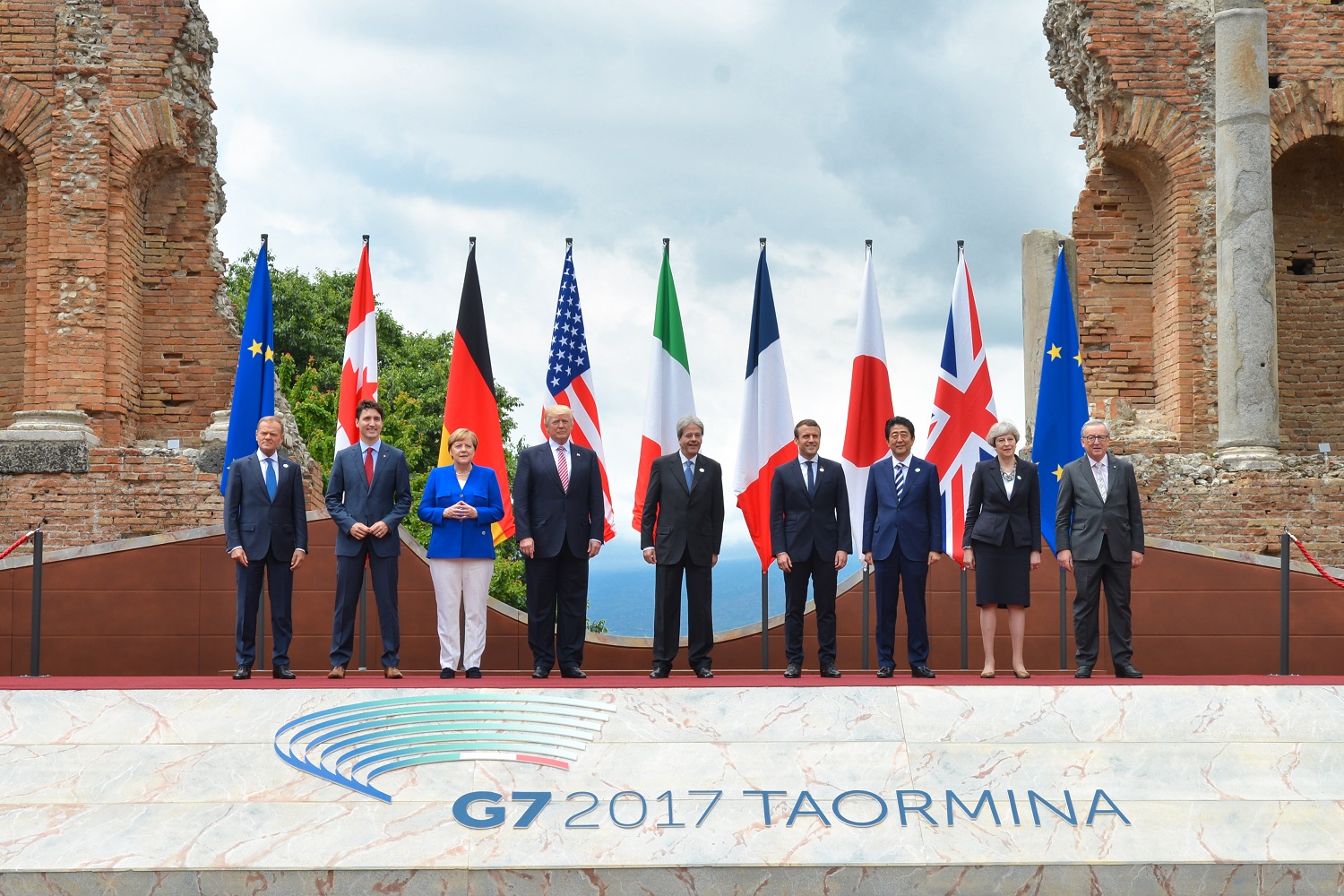
U.S. President Donald Trump landed in France on Monday, June 15, 2026, to attend the Group of Seven summit in the French Alps [1].
The gathering comes at a critical juncture as G7 leaders seek to stabilize global shipping and address escalating geopolitical conflicts. The summit serves as the primary venue for the U.S. to present a new, tentative agreement with Iran that could reshape Middle East diplomacy.
At the opening of the talks, President Trump focused on the diplomatic breakthrough with Tehran. "This Iran deal will lead to a lot of success for the world," Trump said [4]. While some reports describe the agreement as a breakthrough following weeks of precarious talks, other accounts indicate that many key details of the deal remain unresolved [5, 6].
A U.S. State Department spokesperson said the tentative agreement is expected to reopen the Strait of Hormuz on Friday, June 21, 2026 [2, 7]. This move would end hostilities that have disrupted global shipping lanes and increased economic pressure on international trade.
French President Emmanuel Macron welcomed the U.S. president during a bilateral meeting. "We welcome President Trump's commitment to peace and look forward to constructive dialogue," Macron said [8].
Beyond the Iran agreement, the seven member nations [3] are scheduled to discuss the ongoing war in Ukraine, trade disputes, and NATO commitments. The summit aims to align the G7's response to these overlapping crises to prevent further escalation of global tensions [9].
“"This Iran deal will lead to a lot of success for the world,"”
The G7 summit's focus on the U.S.-Iran agreement highlights a strategic shift toward resolving maritime instability in the Strait of Hormuz. If the deal holds and shipping lanes reopen, it could alleviate global supply chain pressures, though the unresolved details of the agreement suggest that long-term stability depends on the G7's ability to maintain a unified front on Iran and Ukraine.


