Negotiations between the U.S. and Iran to end hostilities remain stalled as officials struggle to finalize the necessary paperwork [1].
The delay represents a critical juncture in diplomatic efforts to stabilize the region, as the agreement's failure could prolong active conflict between the two nations.
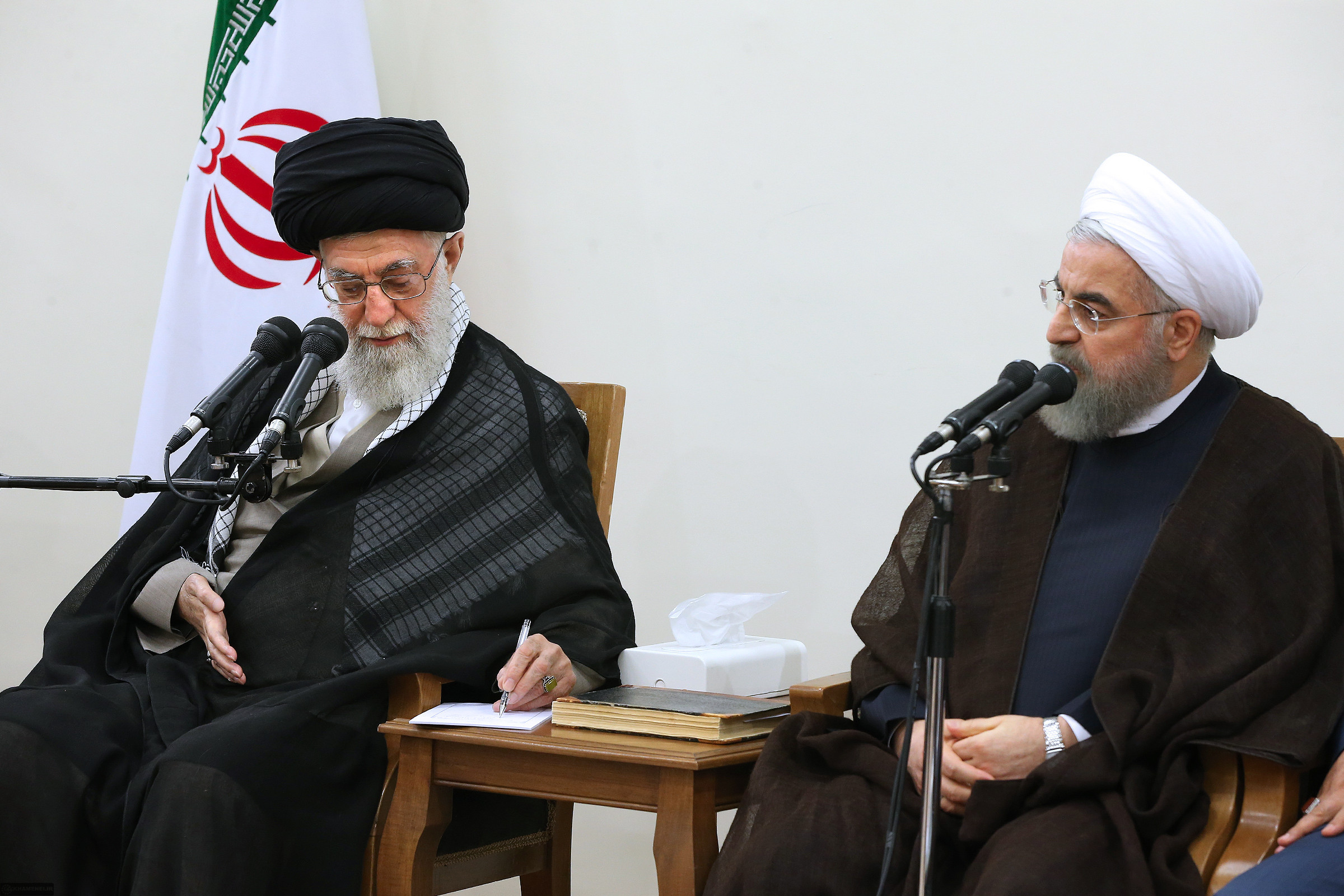
Iranian President Masoud Pezeshkian said that the Supreme Leader, Ayatollah Ali Khamenei, will make the final decision on signing the agreement [1]. While the two nations have moved toward a resolution, the ultimate authority in Tehran must provide the final sign-off before the deal becomes official [2].
Diplomats report that the primary obstacles are now limited to a small number of specific points. Disagreements persist on two or three clauses in the draft agreement [1]. These remaining points of contention have prevented the completion of the final documents required for a formal signing ceremony.
U.S. Senator Marco Rubio expressed optimism regarding the timeline of the talks. "We expect good news soon," Rubio said [1].
However, other U.S. political figures have cautioned against urgency. Former President Donald Trump suggested a more patient approach to the negotiations. "Time is on our side; do not rush into a deal," Trump said [1].
The current impasse highlights the complex internal approval process within the Iranian government, where the presidency manages the negotiations but the Supreme Leader holds the veto power. Washington continues to engage with Tehran to resolve the remaining clauses while awaiting the decision from the leadership in Tehran [2].
“"The Supreme Leader will make the final decision on signing the agreement."”
The stall in negotiations underscores the duality of Iranian power, where diplomatic progress made by the president is contingent upon the ideological approval of the Supreme Leader. With only a few clauses remaining, the deal's fate rests on whether the U.S. can offer concessions that satisfy the Supreme Leader's requirements without appearing to succumb to pressure.