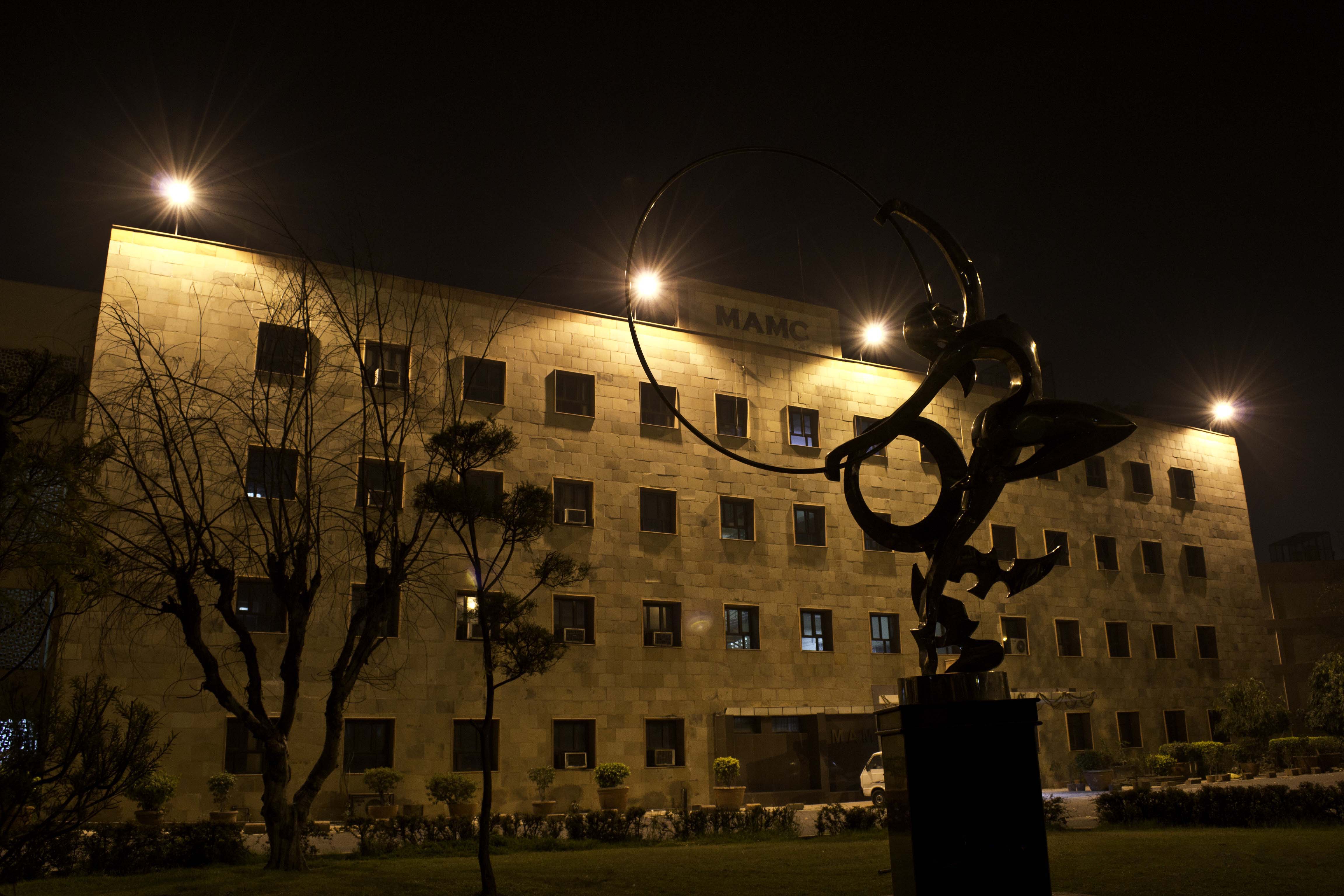
At least 15 senior faculty members and department heads at AIIMS Delhi opted for voluntary retirement between 2023 and 2025 [1].
This exodus from India's most prestigious medical institution threatens the quality of public healthcare and academic mentorship as top-tier specialists migrate to the private sector.
Many of the departing physicians subsequently joined private hospitals. The trend includes high-profile departures such as Dr. Milind Padmakar Hote, who served at the institute for around 25 years [2].
Those leaving the institution cited a combination of systemic frustrations and external incentives. Bureaucracy and slow career growth within the public system have pushed senior staff toward the private healthcare sector, which offers more competitive opportunities.
Institutional challenges further compounded the issue. Faculty members pointed to housing shortages and the presence of hundreds of vacant faculty posts [3] as significant stressors.
The loss of these specialists occurs while the institute struggles to fill existing gaps in its workforce. The departure of department heads creates a leadership vacuum that may hinder the training of new medical professionals and the delivery of specialized care to patients.
“At least 15 senior faculty members and department heads at AIIMS Delhi opted for voluntary retirement.”
The migration of senior medical talent from AIIMS Delhi to private hospitals highlights a growing crisis in public health infrastructure. When the most prestigious government institution cannot retain its experts due to bureaucratic stagnation and lack of basic amenities like housing, it creates a two-tier healthcare system where elite expertise is accessible only to those who can afford private care.
'%2F%3E%0A%20%20%20%20%3Crect%20width%3D'1600'%20height%3D'900'%20fill%3D'url(%23v)'%2F%3E%0A%20%20%20%20%3Cg%20opacity%3D'0.08'%20fill%3D'%23ffffff'%3E%0A%20%20%20%20%20%20%3Ccircle%20cx%3D'1420'%20cy%3D'180'%20r%3D'220'%2F%3E%0A%20%20%20%20%20%20%3Ccircle%20cx%3D'1500'%20cy%3D'760'%20r%3D'120'%2F%3E%0A%20%20%20%20%3C%2Fg%3E%0A%20%20%20%20%3Cline%20x1%3D'80'%20y1%3D'172'%20x2%3D'220'%20y2%3D'172'%20stroke%3D'%23ffffff'%20stroke-width%3D'3'%20stroke-opacity%3D'0.6'%2F%3E%0A%20%20%20%20%3Ctext%20x%3D'80'%20y%3D'140'%20font-family%3D'Inter%2C%20-apple-system%2C%20Helvetica%2C%20sans-serif'%20font-weight%3D'700'%20font-size%3D'28'%20fill%3D'%23ffffff'%20letter-spacing%3D'6'%3EHANNA%20%C2%B7%20NEWS%3C%2Ftext%3E%0A%20%20%20%20%3Ctext%20x%3D'80'%20y%3D'230'%20font-family%3D'Inter%2C%20-apple-system%2C%20Helvetica%2C%20sans-serif'%20font-weight%3D'600'%20font-size%3D'40'%20fill%3D'%23ffffffb3'%20letter-spacing%3D'4'%3EWORLD%3C%2Ftext%3E%0A%20%20%20%20%3Ctext%20x%3D'80'%20y%3D'622'%20font-family%3D'Playfair%20Display%2C%20Georgia%2C%20serif'%20font-weight%3D'800'%20font-size%3D'86'%20fill%3D'%23ffffff'%20letter-spacing%3D'-1'%3ELethbridge%20Named%3C%2Ftext%3E%3Ctext%20x%3D'80'%20y%3D'721'%20font-family%3D'Playfair%20Display%2C%20Georgia%2C%20serif'%20font-weight%3D'800'%20font-size%3D'86'%20fill%3D'%23ffffff'%20letter-spacing%3D'-1'%3ECanada%26apos%3Bs%20Most%3C%2Ftext%3E%3Ctext%20x%3D'80'%20y%3D'820'%20font-family%3D'Playfair%20Display%2C%20Georgia%2C%20serif'%20font-weight%3D'800'%20font-size%3D'86'%20fill%3D'%23ffffff'%20letter-spacing%3D'-1'%3EAffordable%20City%3C%2Ftext%3E%0A%20%20%20%20%3Ctext%20x%3D'80'%20y%3D'870'%20font-family%3D'Inter%2C%20-apple-system%2C%20Helvetica%2C%20sans-serif'%20font-weight%3D'500'%20font-size%3D'22'%20fill%3D'%23ffffff66'%20letter-spacing%3D'2'%3Enews.hanna-ai.com%3C%2Ftext%3E%0A%20%20%3C%2Fsvg%3E)