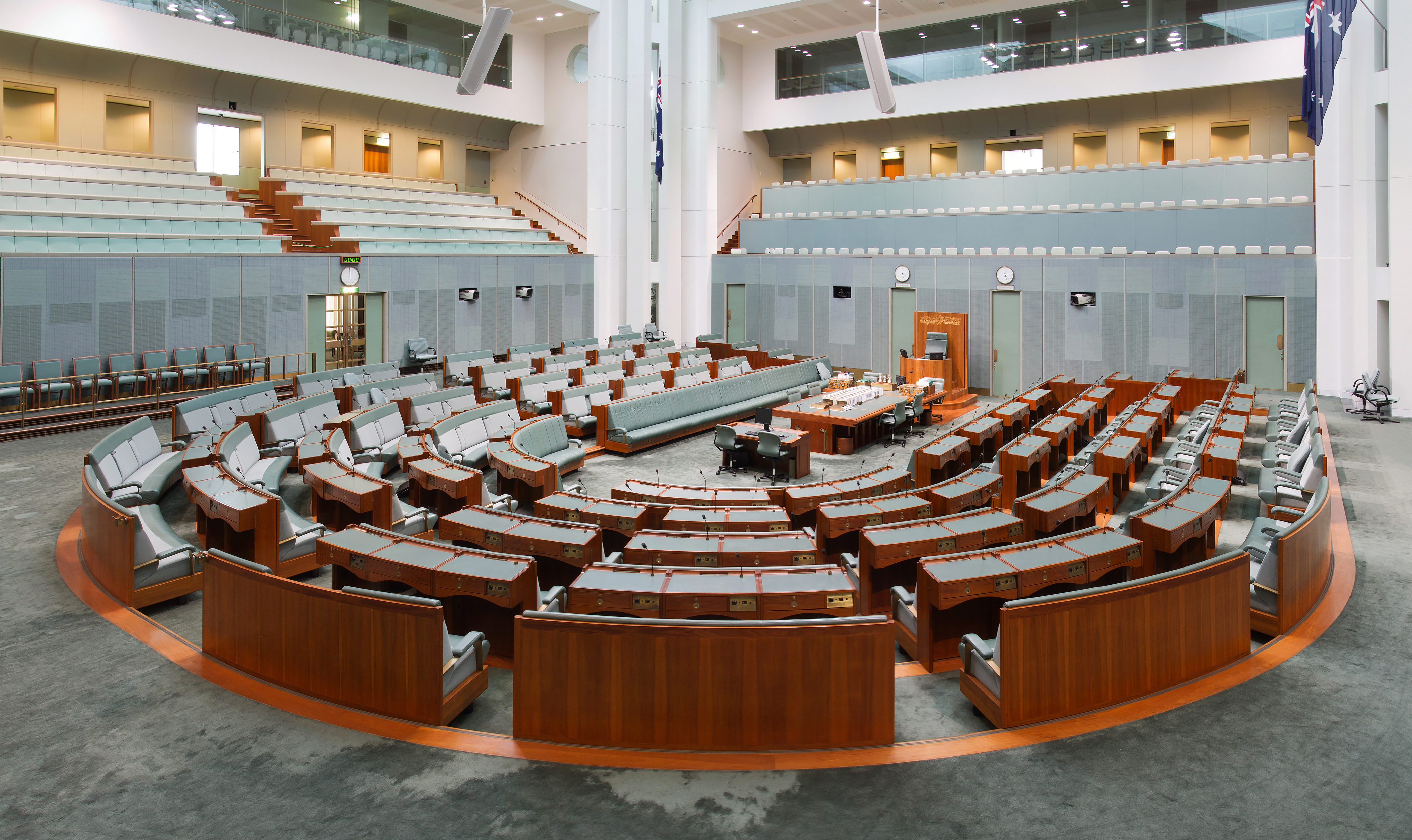
The Australian Senate passed Treasury Amendment laws on Thursday that remove negative gearing on existing homes and end specific tax discounts [1].
These reforms represent a significant shift in Australian property investment and tax policy. By altering the incentives for real estate speculation, the government aims to restructure the financial landscape of the national housing market.
The legislation targets two primary tax advantages. First, the laws remove negative gearing on existing homes [1]. Second, the 50% capital gains tax discount will end effective July 1, 2027 [1].
The Australian Labor Party secured the passage of the bill by reaching a deal with the Greens [2]. This agreement provided the necessary support to move the controversial reforms through the upper house on Thursday afternoon [2].
The changes to the capital gains tax discount are designed to ensure that investors pay a higher portion of their profits to the government. The removal of negative gearing prevents homeowners from using investment losses to reduce their taxable income, a practice that has long been a point of contention in Australian politics.
Legislators worked to finalize the Treasury Amendment laws to address systemic issues within the tax code [1]. The coordination between Labor and the Greens was essential for the bill to overcome opposition in the Senate [2].
“The Australian Senate passed Treasury Amendment laws on Thursday that remove negative gearing on existing homes.”
The removal of negative gearing and the reduction of capital gains tax discounts fundamentally change the math for property investors. By eliminating these subsidies, the government is likely attempting to reduce investor demand for existing residential properties, which could potentially lower price pressure for first-time homebuyers.