
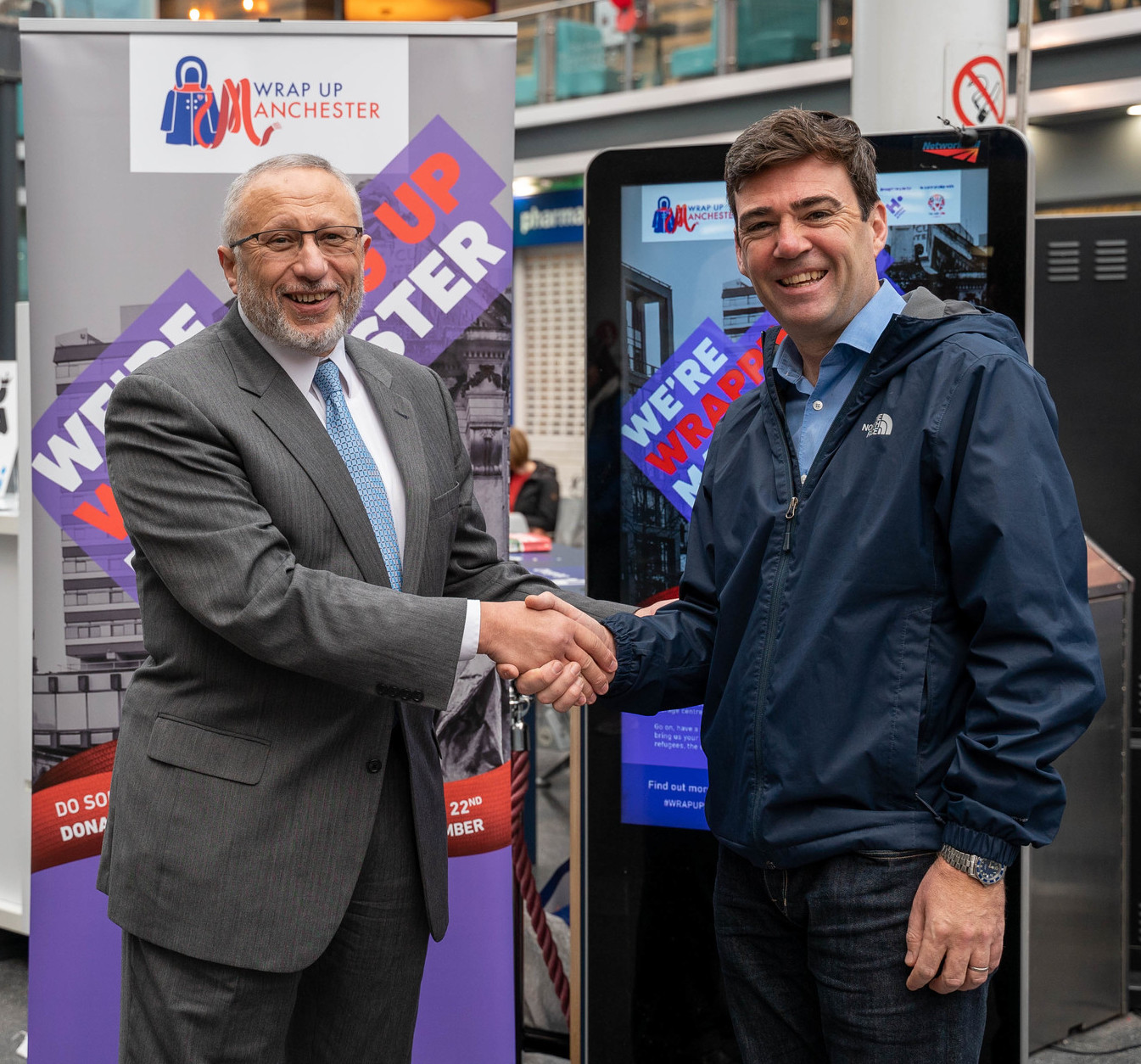
Andy Burnham, the Mayor of Greater Manchester, said he will challenge Sir Keir Starmer for the leadership of the Labour Party [1].
The move signals a potential shift in the party's direction as Burnham positions himself as an alternative to the incumbent leader. By outlining a platform that blends fiscal discipline with aggressive public ownership, Burnham is attempting to bridge the gap between the party's centrist and left-wing factions.
During an interview with BBC Newsnight, Burnham addressed his ambitions and the policy framework he would implement as leader [1]. He said he would not change the current UK fiscal rules or borrowing limits [2, 3]. This pledge is intended to reassure markets and voters of his commitment to economic stability.
Despite this fiscal caution, Burnham called for a more interventionist approach to national infrastructure and emerging technology. He advocated for strong public control over utilities, specifically mentioning Thames Water [4]. He also argued that the government must maintain a significant role in the development, and oversight, of artificial intelligence [4].
Burnham said that the market cannot be left to manage these critical sectors alone [4]. His stance on public ownership marks a distinct departure from some of the more market-friendly positions adopted by the current leadership.
This challenge comes as Burnham seeks to elevate his profile from a regional leader to a national figure. He has focused his recent rhetoric on the need for a leadership style that prioritizes direct public oversight of essential services, while adhering to the existing budgetary constraints of the state [2, 4].
“Andy Burnham said he will challenge Sir Keir Starmer for the Labour leadership.”
Burnham's bid represents a strategic attempt to reconcile the Labour Party's internal tension between fiscal pragmatism and socialist tradition. By pledging to keep borrowing limits intact while demanding the nationalization of key utilities and AI oversight, he is testing whether a 'fiscal-socialist' hybrid can attract a broader electoral coalition than Starmer's current approach.


