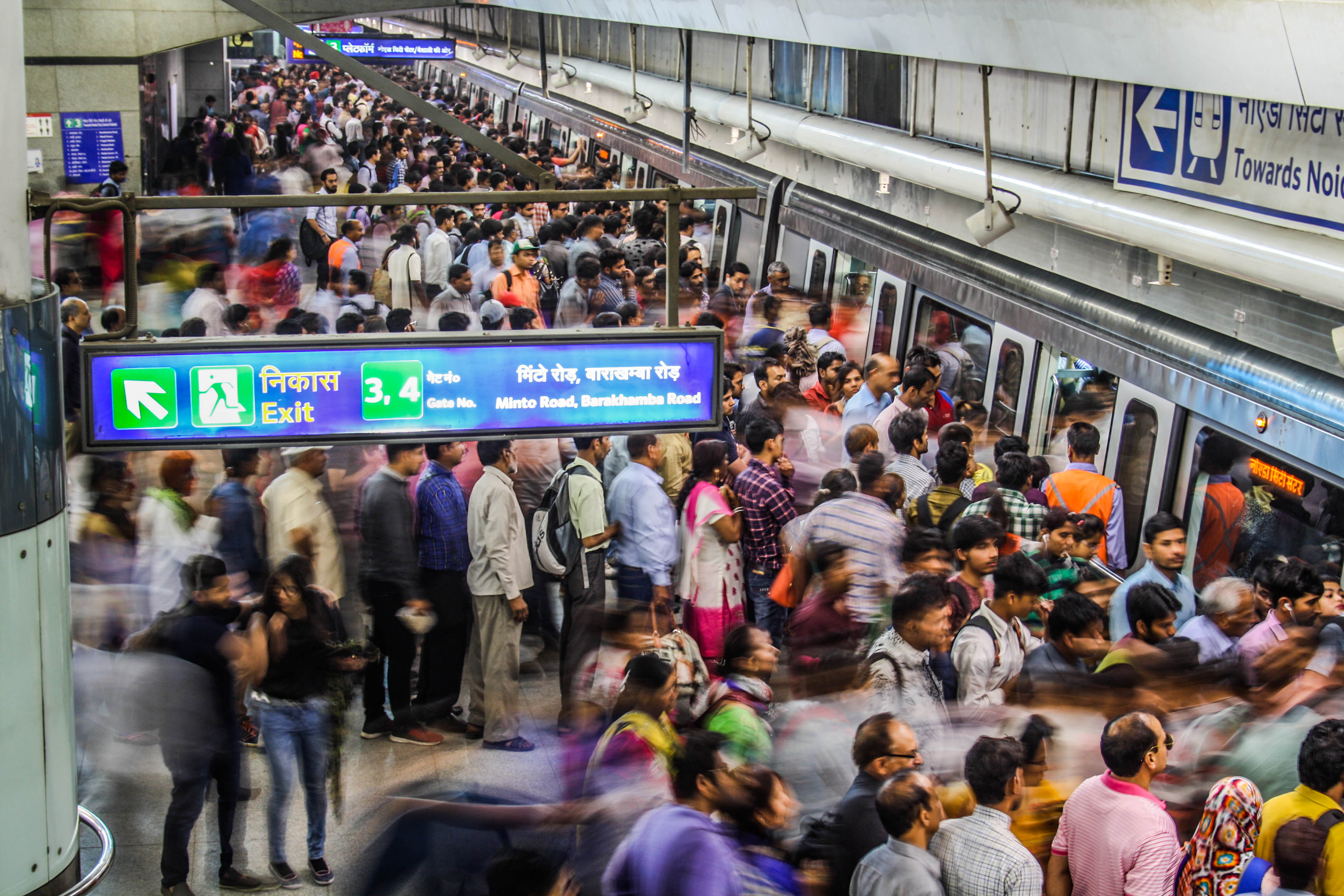
The Delhi Metro Rail Corporation closed 16 stations on Thursday after receiving a security advisory from Delhi Police [1].
The closures disrupt one of the city's primary transit networks during a period of high social tension. The move follows a sit-in protest at Jantar Mantar by the Cockroach Janta Party (CJP) regarding alleged irregularities in the NEET-UG 2026 paper leak [1], [2].
Services at the affected stations were suspended starting at 7:30 a.m. [3]. While the stations are closed to new passengers, the Delhi Metro Rail Corporation said that interchange facilities at key locations remained operational to allow passengers to switch lines [2].
Among the shut stations are Rajiv Chowk, Mandi House, Central Secretariat, and ITO [2]. Other reports include Janpath and Patel Chowk in the list of closed facilities [4], [5]. The closures were implemented as a precautionary measure to maintain public order and safety during the CJP demonstrations [1], [2].
Traffic diversions have been put in place around the Jantar Mantar area to manage the crowds and ensure the flow of vehicles through the capital [2]. The CJP protest focuses on demanding accountability for the alleged leak of the medical entrance exam, which has sparked widespread concern among students and educators [1].
Delhi Police officials coordinated with the transit authority to determine which stations posed the highest security risk. The decision to shut these hubs aims to prevent protesters from utilizing the metro to flood the protest site or to protect the infrastructure from potential unrest [1], [4].
“The Delhi Metro Rail Corporation closed 16 stations on Thursday”
The suspension of transit services in central Delhi highlights the volatility of the NEET-UG 2026 controversy. By closing high-traffic hubs like Rajiv Chowk, authorities are attempting to contain the scale of the CJP protests and limit the rapid mobilization of demonstrators in the heart of the city.