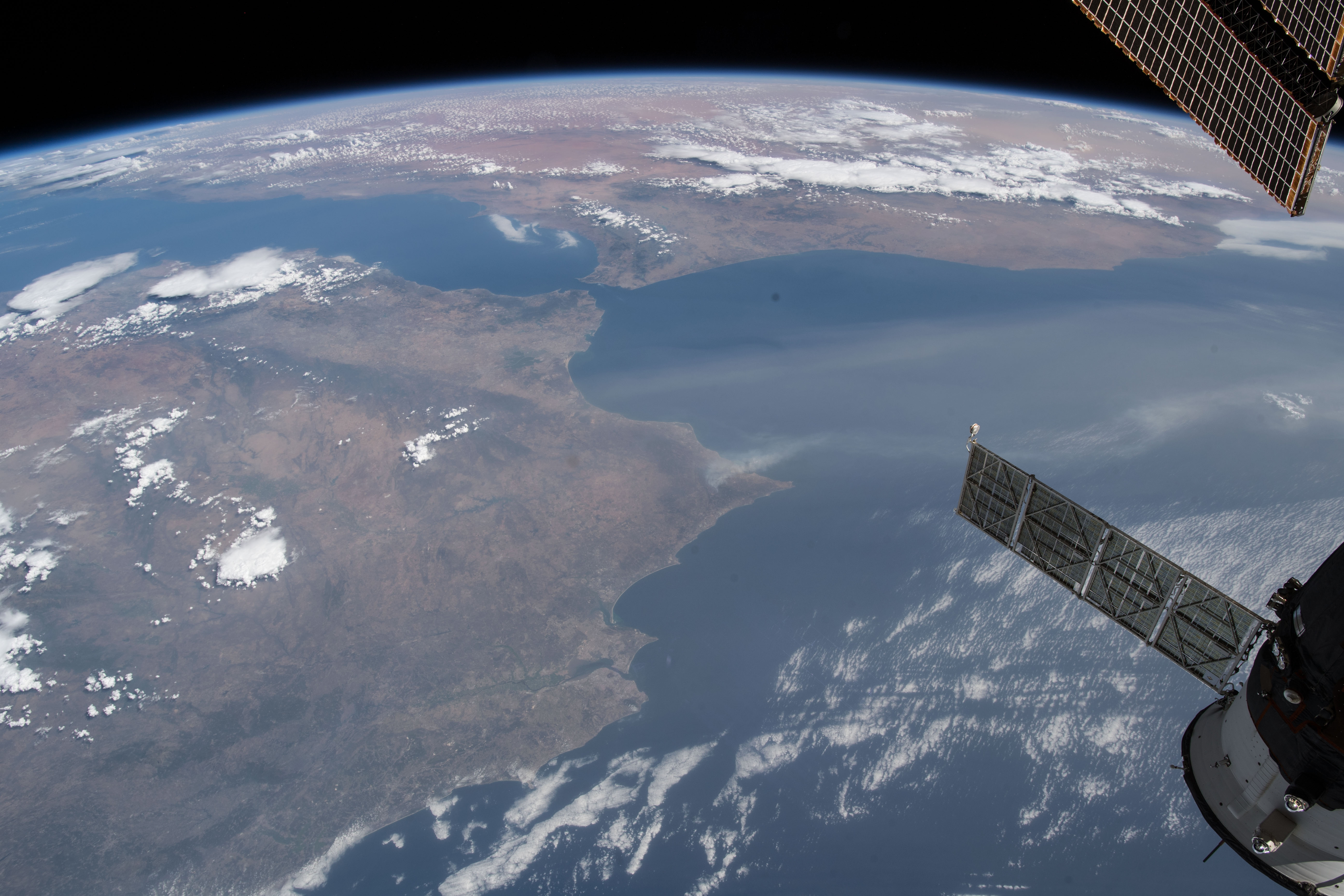
Wildfires sweeping across France and Spain have destroyed homes and forced hundreds of thousands of people to flee their residences [1], [2].
The scale of the displacement underscores the growing vulnerability of Southern Europe to extreme weather. As temperatures soar and dry conditions persist, the fires have moved closer to urban centers, threatening critical infrastructure and residential zones.
In France, the blazes have specifically threatened the outskirts of Bordeaux in the southwest [1]. Firefighters and local authorities are battling the flames to prevent the fires from entering the city limits. The situation remains volatile as heatwave conditions intensify across the region [1], [2].
Spain is facing similar devastation, with large-scale fires tearing through forests and rural areas [1]. The combination of extreme heat and arid soil has created a landscape prone to rapid ignition, making containment efforts difficult for emergency responders.
Reports on the number of displaced residents vary slightly between sources. Some reports indicate thousands have fled, while others state that hundreds of thousands of people have been evacuated [1], [2]. This discrepancy highlights the rapid movement of the fire fronts and the expanding perimeter of evacuation orders.
Authorities said that the risk remains high. With temperatures expected to soar again, the window for containing the current blazes is narrowing, leaving many communities in a state of high alert.
“Wildfires sweeping across France and Spain have destroyed homes and forced hundreds of thousands of people to flee.”
The simultaneous occurrence of high-intensity wildfires in both France and Spain suggests a regional climatic crisis rather than isolated incidents. The threat to a major hub like Bordeaux indicates that the 'wildland-urban interface' is becoming increasingly dangerous, requiring a shift in how European cities manage peri-urban vegetation and emergency evacuation logistics during peak summer heat.