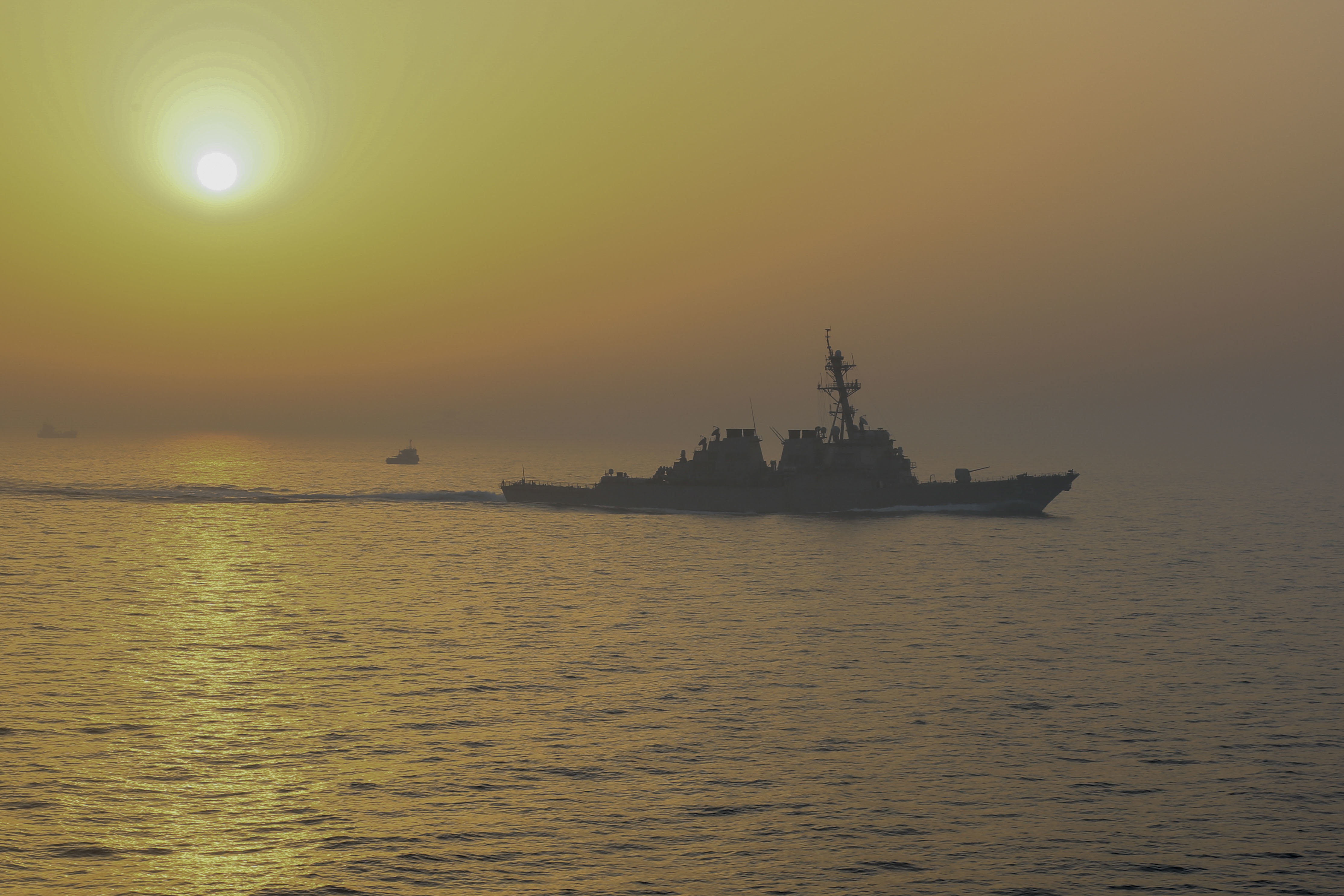
Iran's Foreign Minister Abbas Araghchi said the country has always served as the guardian of the Strait of Hormuz [1].
This assertion comes as Iran seeks to justify its naval control over one of the world's most critical oil transit chokepoints. The move signals a strategic effort to shape future maritime agreements with Oman while the U.S. and Iran engage in negotiations [1, 3].
Araghchi said the necessity of maritime compliance was important during earlier discussions. On May 14, 2026, he said that all ships entering the strait must cooperate with the Iranian navy [2]. This requirement suggests a push for formal enforcement authority over international shipping lanes that pass between Iran and Oman.
While Araghchi highlighted Iran's historical role as the sole guardian on June 12, 2026 [1], the diplomatic approach toward neighboring Oman appears more collaborative. Araghchi said on June 13, 2026, that Tehran and Muscat will issue a joint statement on the future management of the Strait of Hormuz [3].
This duality in rhetoric reflects a tension between Iran's desire for unilateral control and the necessity of regional partnership. The joint statement with Oman would mark a shift toward a shared governance model, though it remains unclear how this aligns with the demand for total cooperation with the Iranian navy [2, 3].
Control of the strait remains a central point of contention in broader geopolitical struggles. By positioning itself as the primary protector of the waters, Iran leverages its geography to gain influence in international diplomatic circles, and security arrangements [1, 3].
“Iran has always been the guardian of the Strait of Hormuz.”
Iran is attempting to codify its naval dominance in the Strait of Hormuz by blending unilateral demands for ship cooperation with bilateral diplomacy with Oman. By asserting a historical 'guardian' status, Tehran is creating a legal and political framework to justify its interference with maritime traffic, which serves as a critical point of leverage in its ongoing negotiations with the U.S.