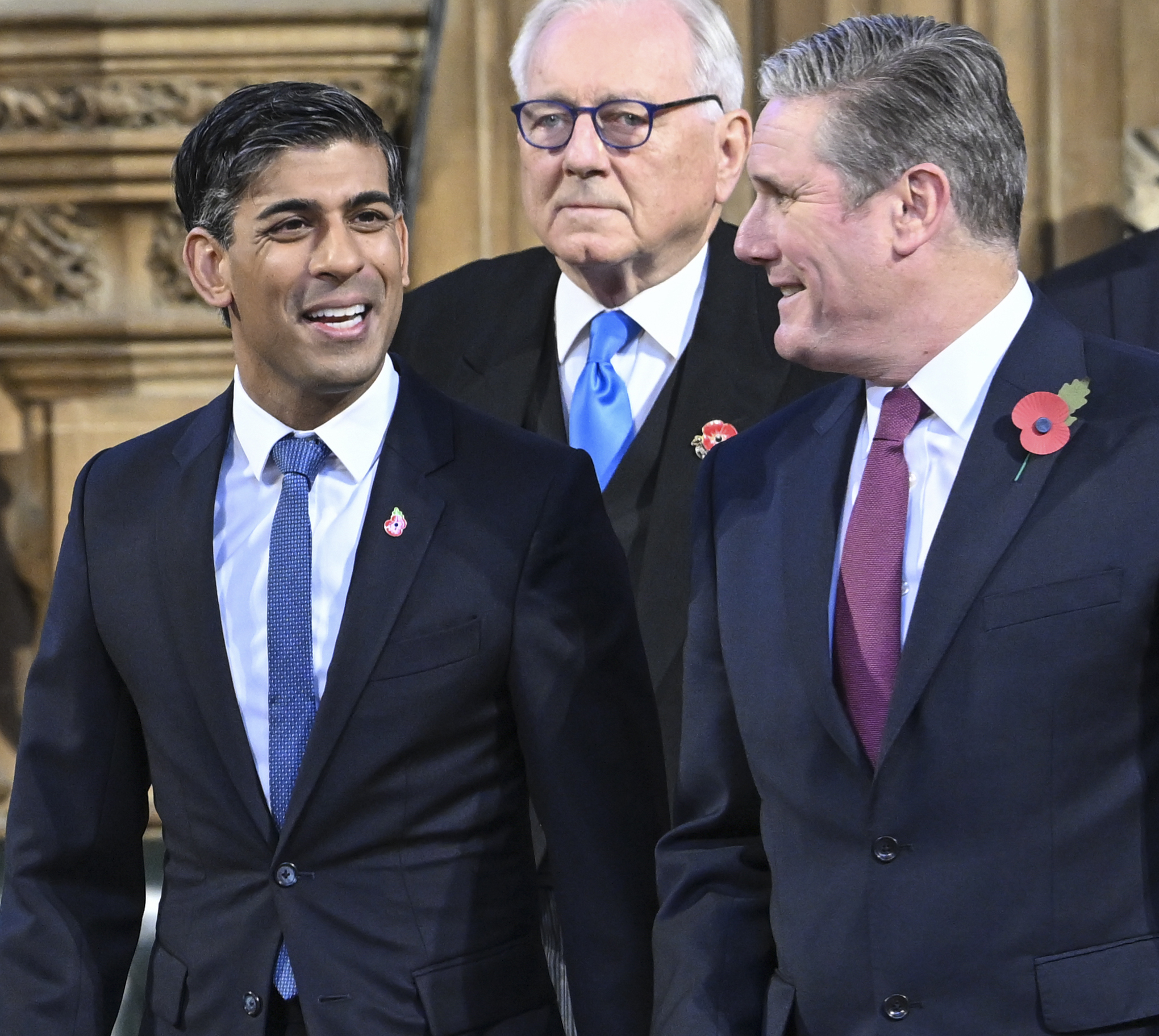
UK Prime Minister Keir Starmer announced Monday that he will resign as prime minister and leader of the Labour Party [1].
The resignation marks a sudden leadership vacuum in the British government and highlights deep fractures within the ruling party. It follows a period of intense internal volatility that threatens the stability of the current administration.
Starmer made the announcement during a press briefing in London [1]. He said he will remain in the role until a successor is selected [4]. Reports indicate he will likely stay in office for weeks before a new leader takes over [3].
The decision comes about two years after his landslide election victory [3]. However, his tenure has been marred by a disastrous set of local elections and a subsequent revolt from within his own party [2].
Pressure on the prime minister intensified as Andy Burnham, a prominent figure in the party, secured a return to Parliament and mounted a leadership challenge [1]. The combination of electoral losses and the challenge from Burnham made Starmer's position untenable [2].
If the transition proceeds, Starmer would be the seventh leader the country has had in a decade [1]. This turnover reflects a broader trend of political instability in the UK over the last 10 years.
"I will remain prime minister until my successor is selected," Starmer said [4].
“Starmer would be the country's seventh leader in a decade”
Starmer's departure underscores the fragility of the Labour Party's mandate despite its previous landslide victory. The transition to a new leader, potentially Andy Burnham, will require the party to reconcile its internal ideological divides while managing the fallout from recent local election losses to avoid further governing instability.