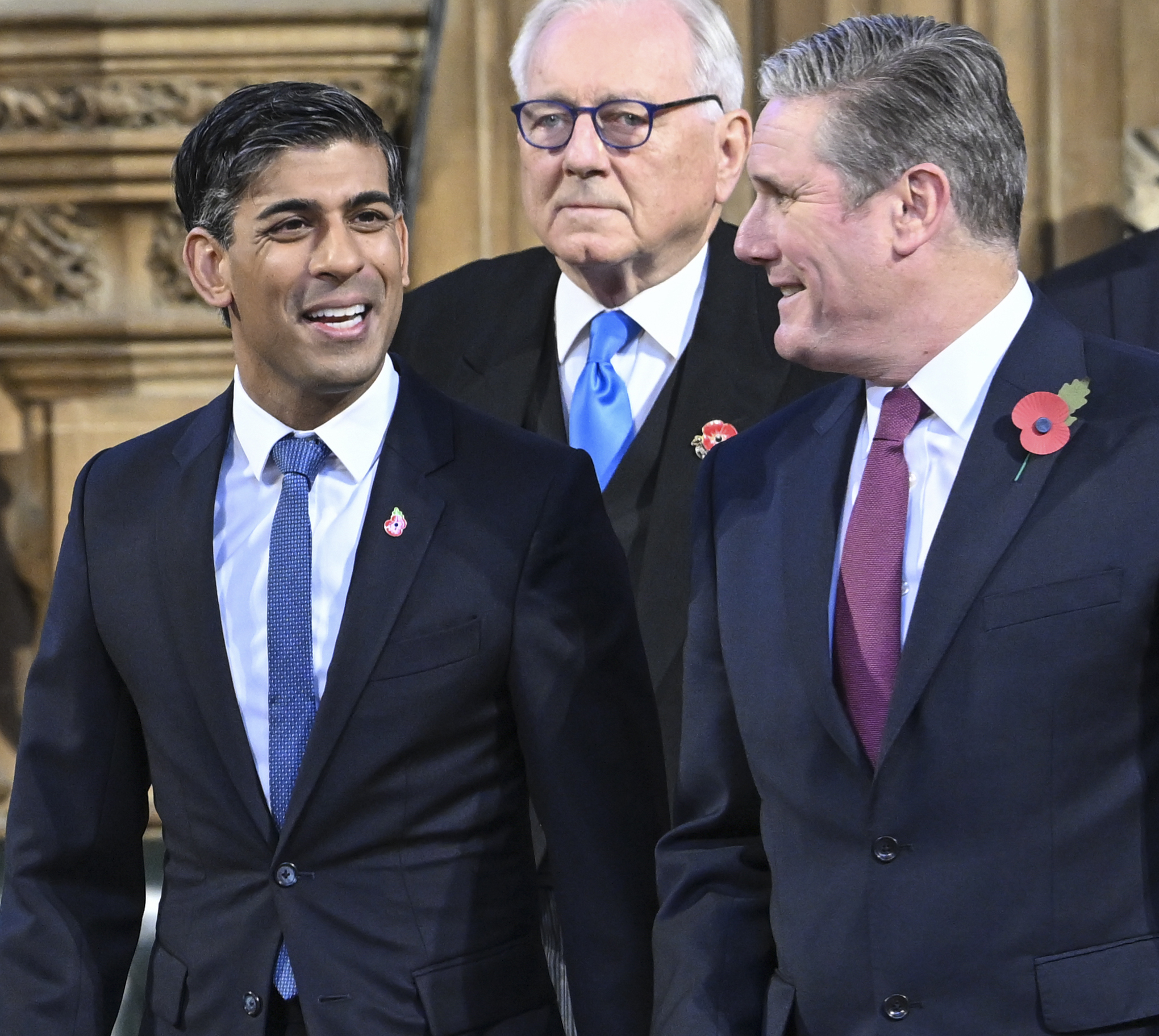
UK Prime Minister Keir Starmer announced Monday that he will resign as leader of the Labour Party and as prime minister [1].
The resignation marks a period of significant instability for the British government. Starmer's departure follows a series of political setbacks that have weakened his authority both within his party and across the national electorate.
Starmer addressed the nation from London on Monday, June 22, 2026 [1]. He said the decision comes after a devastating round of local election losses [2] and an internal revolt within the Labour Party [3]. These losses occurred weeks prior to the announcement [2].
By stepping down, Starmer aims to ensure a successor is chosen before Parliament reconvenes in September [1]. This timeline is intended to provide the government with a stable leadership structure before the next legislative session begins.
This transition continues a trend of frequent leadership changes in the United Kingdom. Depending on the count of previous departures, Starmer is either the sixth [4] or seventh [5] prime minister to leave office within a decade.
The Labour Party must now navigate a leadership contest to replace Starmer. The internal revolt cited as a cause for his resignation suggests a fractured party that may struggle to find a consensus candidate quickly.
“Keir Starmer announced Monday that he will resign as leader of the Labour Party and as prime minister”
Starmer's resignation underscores the volatility of contemporary British politics and the fragility of mandates following poor local election performances. The urgency to install a new leader by September suggests the Labour Party is wary of entering a new parliamentary session without a clear mandate, potentially leaving the government vulnerable to opposition challenges or a general election call.


