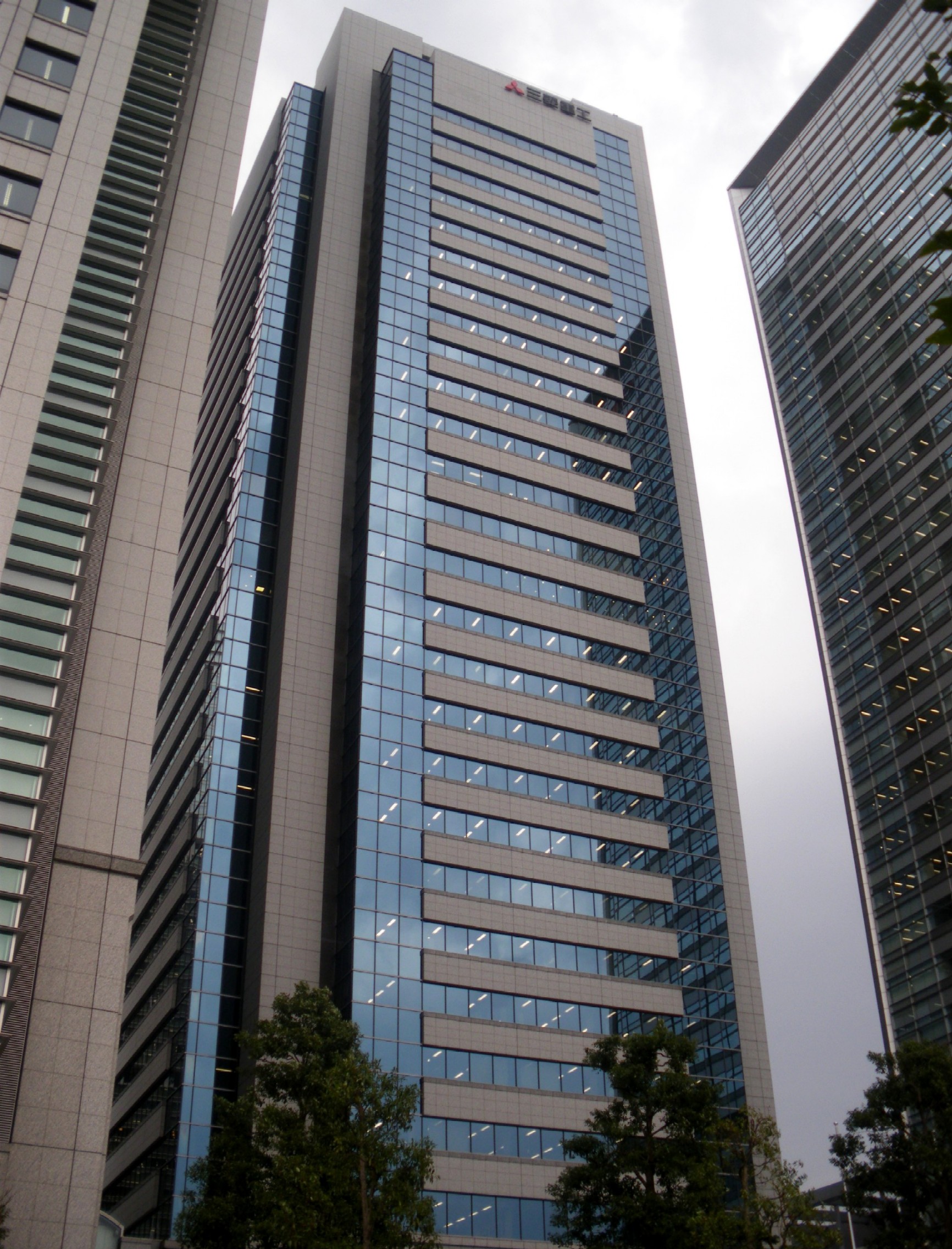
The chief of Mitsubishi Heavy Industries said that converting automotive plants to produce military drones would be an ‘enormous waste’ of taxpayer money [1].
This warning comes as Japan considers how to rapidly scale its defense capabilities. The decision to repurpose existing industrial infrastructure could impact how the government allocates its defense budget and manages its industrial base.
The head of the company expressed concern over the efficiency of such a transition. The move to shift car manufacturing lines toward the production of unmanned aerial vehicles is viewed as a risky tactic [1].
According to the report, the chief of Mitsubishi Heavy Industries said the strategy risks being an ‘enormous waste’ of taxpayers’ money [1]. This suggests that the specialized requirements of military drone production may not align with the existing tooling, and workflows found in automotive factories.
Japan has been seeking ways to bolster its military readiness. However, the expertise required for aerospace and defense manufacturing differs significantly from the mass-production techniques used in the car industry.
The caution from one of Japan's largest defense contractors highlights a potential friction point between government ambition and industrial reality. The company's leadership said that building dedicated facilities or utilizing existing defense plants may be more viable than attempting to retrofit automotive sites [1].
“Converting car plants to make military drones will fail”
This warning underscores the technical gap between commercial automotive assembly and precision defense manufacturing. If the Japanese government pursues a rapid conversion of civilian plants, it may face significant cost overruns and production delays, potentially hindering the very military readiness it seeks to improve.


