Nike is facing significant setbacks in its running line and brand strategy, contributing to a 45% [1] decline in its stock price.
The downturn signals a critical struggle for the global athletic apparel leader to reclaim its market dominance. As competitors gain ground, the company's inability to innovate its core product offerings threatens its long-term financial stability and brand equity.
These challenges persist approximately 20 months [2] after Elliott Hill returned from retirement to lead the company. Hill was brought back to stabilize the organization and refine its direction, but the company has not yet regained the momentum necessary to reverse its downward trend.
Internal struggles center on product development and the performance of the running-shoe category. The company has struggled to execute a brand strategy that resonates with current consumers, a failure that has manifested in the company's valuation.
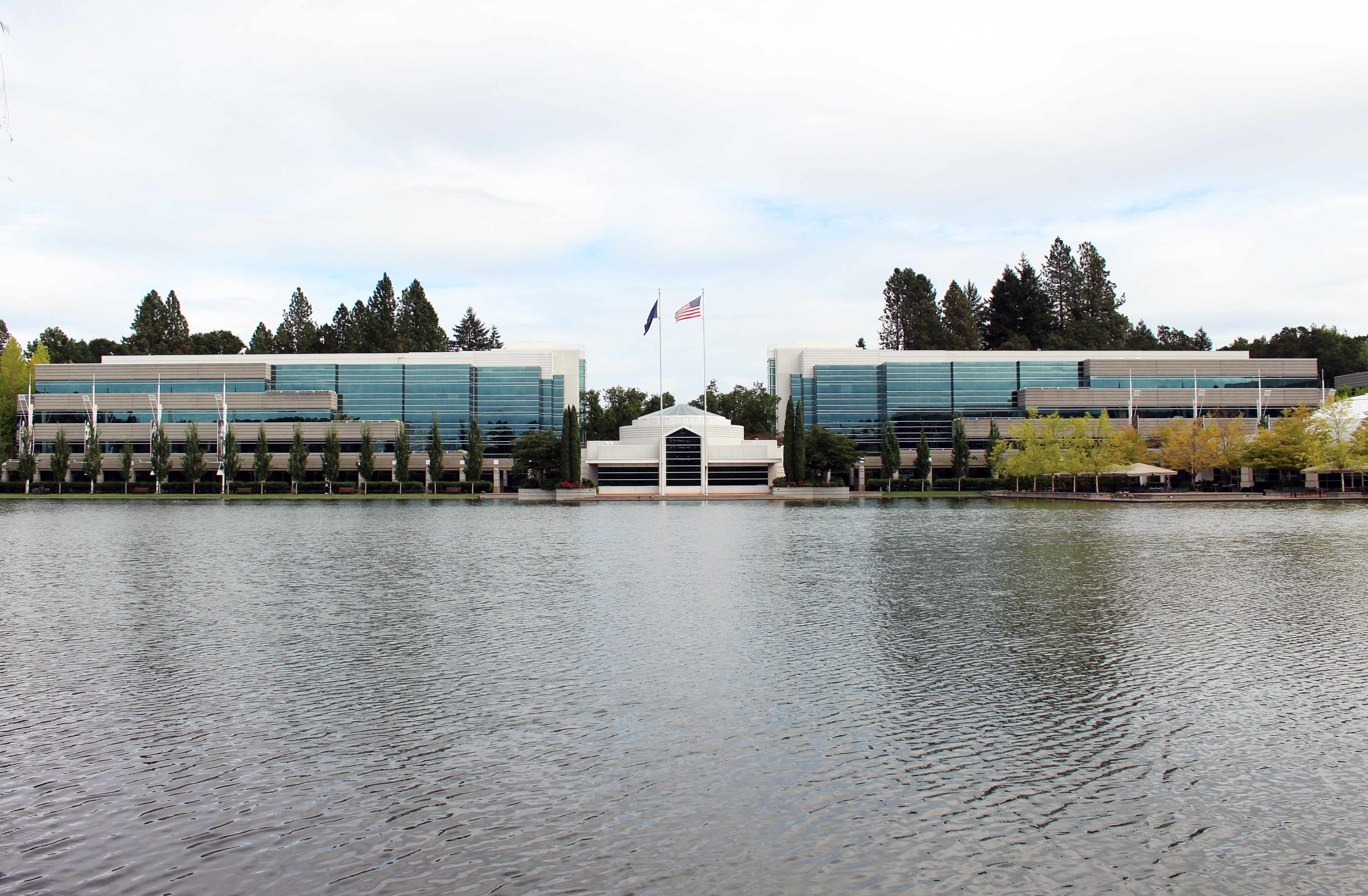
Nike, headquartered in Beaverton, Oregon, remains a dominant force in footwear, yet the current trajectory suggests a misalignment between its corporate strategy and market demand. The decline in stock value reflects investor skepticism regarding the current leadership's ability to pivot the product pipeline.
Despite the return of a veteran executive, the company has not solved the fundamental issues plaguing its innovation cycle. The ongoing struggle with the running line is particularly concerning given that this category serves as the foundation for the brand's technical reputation.
“Nike is facing significant setbacks in its running line and brand strategy”
The sustained decline in Nike's stock price suggests that the market views the company's current leadership and product pivot as insufficient. By failing to innovate in the high-performance running category, Nike is losing its competitive moat to more agile brands, indicating that a simple return to previous leadership styles may not be enough to fix systemic product development failures.


