
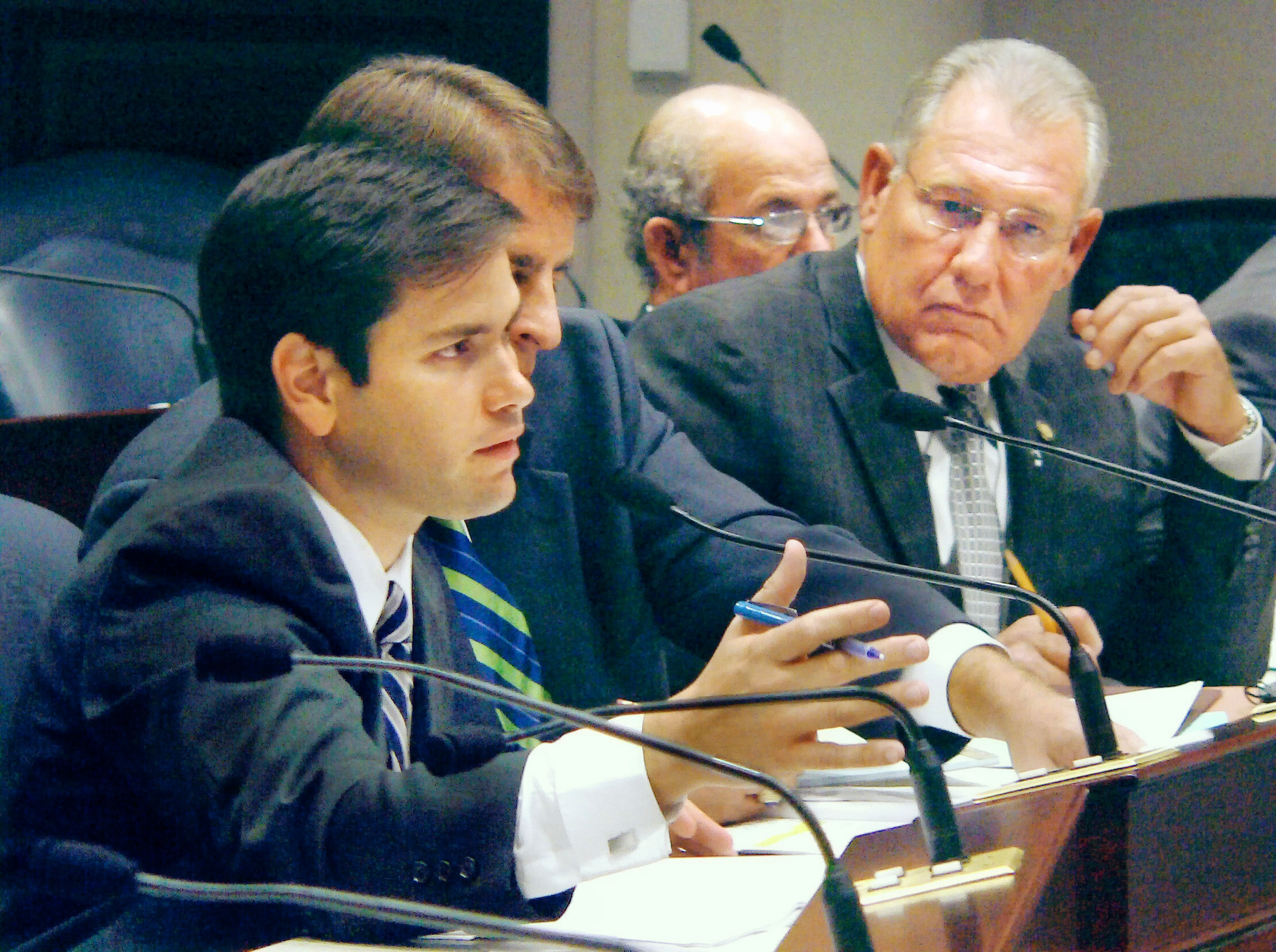
Marco Rubio defended President Donald Trump's management of the conflict in Iran during a House Foreign Relations Committee hearing on Wednesday [1].
The testimony serves as a pivotal justification for the Trump administration's military and diplomatic strategies during a period of intense scrutiny from congressional lawmakers.
Rubio appeared before the committee on June 3, 2026 [1], to address the administration's decisions regarding the conflict, which some sources identify as Operation Epic Fury [1]. The hearing took place on Capitol Hill in Washington, D.C., where Rubio worked to counter criticisms from committee members regarding the conduct of the war [1].
This session marked the first of two back-to-back hearings scheduled to examine the administration's foreign policy and crisis responses [1]. During the proceedings, Rubio said the administration's actions were necessary to ensure national security and regional stability.
There are conflicting reports regarding Rubio's current official capacity. Some records identify him as Secretary of State [1], while other reports continue to refer to him as a U.S. Senator [2, 3, 4]. Despite the discrepancy in title, his role in the hearing remained centered on providing a defense for the executive branch's handling of the Iran conflict.
The combative nature of the hearing highlighted deep divisions within the House Foreign Relations Committee. Members questioned the legality and efficacy of the military operations, while Rubio said the strategies employed were necessary to address the threats posed by Iran [1, 3].
Rubio's testimony is expected to set the stage for the second hearing, where the committee will likely delve further into the operational details of the conflict and the subsequent diplomatic fallout [1].
“Marco Rubio defended President Donald Trump's management of the conflict in Iran”
The hearing reflects an ongoing struggle between the executive and legislative branches over the oversight of military operations. By framing the conflict as a necessary security measure, the administration aims to shield its foreign policy decisions from legal or political repercussions while consolidating support for its strategy in the Middle East.


