The U.S. Supreme Court is set to rule on the constitutionality of an executive order that would limit birthright citizenship [1].
A decision could fundamentally alter the legal status of children born in the U.S. to non-citizen parents and challenge a century of legal precedent.
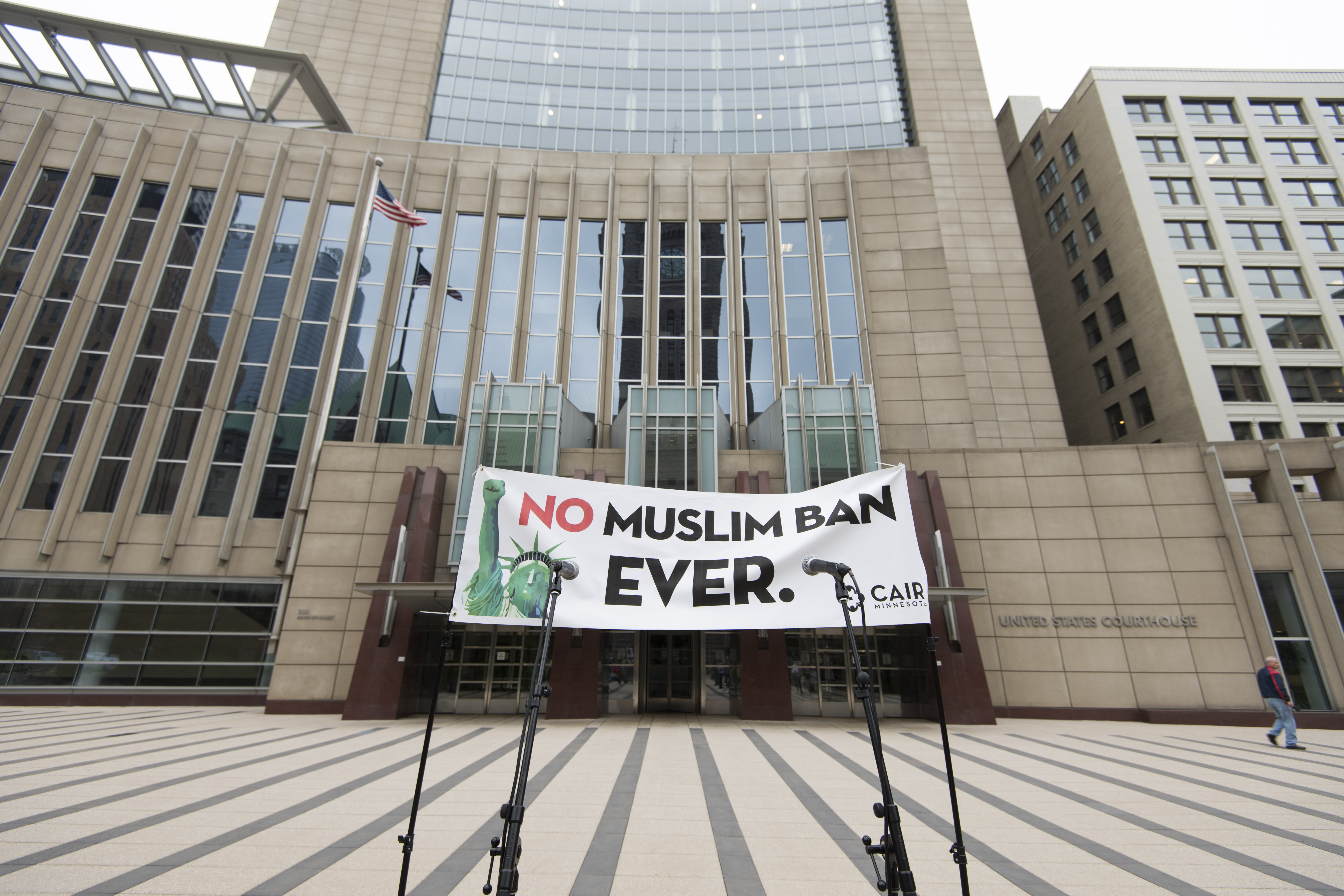
The Trump administration argues that the executive branch has the authority to restrict citizenship to prevent "birth tourism" [3]. Opponents of the order said the move violates the 14th Amendment, which guarantees citizenship to all persons born or naturalized in the United States [3].
Legal experts note that the Court is poised to overturn a precedent that is 91 years old, originating in 1932 [1]. This long-standing legal standard has protected birthright citizenship for nearly a century [1].
For many families, the potential ruling creates an atmosphere of instability. Maria Hernandez, an immigrant mother, said, "We are terrified that our children could become stateless if the Court upholds the administration’s rule" [2].
Concerns extend beyond new arrivals. Editorial writer John Doe said that millions of Americans worry a ruling could strip them of their identity [1].
There is conflicting information regarding the scope of the executive order. Some reports suggest the order would apply broadly to anyone born in the U.S. to non-citizen parents without exemptions [1]. Other accounts suggest that children of foreign dignitaries might be exempt from these restrictions [4].
The Court is expected to deliver its decision during the 2026 term [1, 2].
“The Court is poised to overturn a 91-year-old precedent that has protected birthright citizenship since 1932.”
A ruling in favor of the administration would represent a significant shift in the interpretation of the 14th Amendment, moving away from a strict territorial birthright standard toward one based on parental status. This could create a new class of stateless individuals within the U.S. and potentially trigger a wider legal re-evaluation of citizenship rights for millions of people.


'%2F%3E%0A%20%20%20%20%3Crect%20width%3D'1600'%20height%3D'900'%20fill%3D'url(%23v)'%2F%3E%0A%20%20%20%20%3Cg%20opacity%3D'0.08'%20fill%3D'%23ffffff'%3E%0A%20%20%20%20%20%20%3Ccircle%20cx%3D'1420'%20cy%3D'180'%20r%3D'220'%2F%3E%0A%20%20%20%20%20%20%3Ccircle%20cx%3D'1500'%20cy%3D'760'%20r%3D'120'%2F%3E%0A%20%20%20%20%3C%2Fg%3E%0A%20%20%20%20%3Cline%20x1%3D'80'%20y1%3D'172'%20x2%3D'220'%20y2%3D'172'%20stroke%3D'%23ffffff'%20stroke-width%3D'3'%20stroke-opacity%3D'0.6'%2F%3E%0A%20%20%20%20%3Ctext%20x%3D'80'%20y%3D'140'%20font-family%3D'Inter%2C%20-apple-system%2C%20Helvetica%2C%20sans-serif'%20font-weight%3D'700'%20font-size%3D'28'%20fill%3D'%23ffffff'%20letter-spacing%3D'6'%3EHANNA%20%C2%B7%20NEWS%3C%2Ftext%3E%0A%20%20%20%20%3Ctext%20x%3D'80'%20y%3D'230'%20font-family%3D'Inter%2C%20-apple-system%2C%20Helvetica%2C%20sans-serif'%20font-weight%3D'600'%20font-size%3D'40'%20fill%3D'%23ffffffb3'%20letter-spacing%3D'4'%3EPOLITICS%3C%2Ftext%3E%0A%20%20%20%20%3Ctext%20x%3D'80'%20y%3D'694'%20font-family%3D'Playfair%20Display%2C%20Georgia%2C%20serif'%20font-weight%3D'800'%20font-size%3D'110'%20fill%3D'%23ffffff'%20letter-spacing%3D'-1'%3ESeychelles%20Seeks%20More%20Indian%3C%2Ftext%3E%3Ctext%20x%3D'80'%20y%3D'820'%20font-family%3D'Playfair%20Display%2C%20Georgia%2C%20serif'%20font-weight%3D'800'%20font-size%3D'110'%20fill%3D'%23ffffff'%20letter-spacing%3D'-1'%3ETourists%20After%20PM%20Modi%20Visit%3C%2Ftext%3E%0A%20%20%20%20%3Ctext%20x%3D'80'%20y%3D'870'%20font-family%3D'Inter%2C%20-apple-system%2C%20Helvetica%2C%20sans-serif'%20font-weight%3D'500'%20font-size%3D'22'%20fill%3D'%23ffffff66'%20letter-spacing%3D'2'%3Enews.hanna-ai.com%3C%2Ftext%3E%0A%20%20%3C%2Fsvg%3E)