
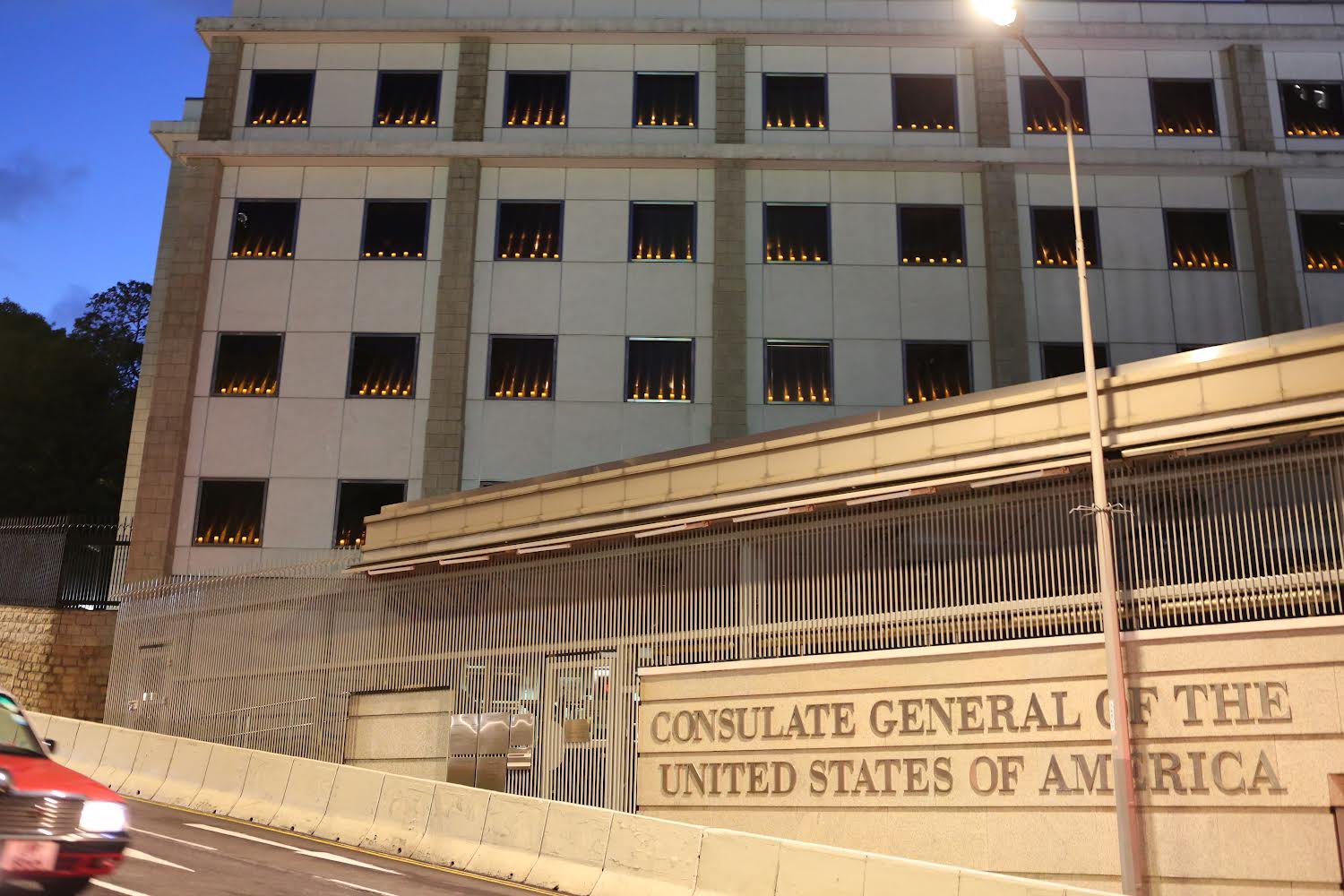
Participants gathered in Taipei, Taiwan, on June 4, 2026, for a candlelight vigil to mark the 37th anniversary of the 1989 Tiananmen Square crackdown [1, 2].
The event serves as a rare public space for remembrance of the Beijing massacre, as the Chinese government continues to censor mentions of the event within its own borders. By hosting these commemorations, Taiwan emphasizes its commitment to democratic values, and the preservation of historical memory.
The vigil brought together people from various backgrounds to honor the victims of the 1989 military action [1, 3]. Attendees used the gathering to urge the Chinese government to acknowledge the events of the past and confront the history of the crackdown [3].
Taipei has long been a center for such anniversaries, providing a platform for activists and citizens to voice demands for transparency and human rights. The 37th anniversary [1] marks nearly four decades since the protests ended in violence, yet the event remains a focal point for regional political tension.
The atmosphere of the vigil was characterized by the glow of thousands of candles, symbolizing a collective refusal to forget the casualties of the crackdown [1, 2]. Organizers and participants focused on the need for a formal accounting of the deaths that occurred in Beijing decades ago [3].
This annual tradition in Taiwan highlights the divergent paths the two sides of the strait have taken regarding governance and freedom of speech. While the event in Taipei is peaceful and public, similar attempts to commemorate the date inside mainland China are typically met with strict security measures and surveillance.
“A candlelight vigil marking the 37th anniversary of the 1989 Tiananmen Square crackdown.”
The persistence of the June 4 vigil in Taipei underscores Taiwan's role as a sanctuary for political expression that is prohibited in mainland China. As the gap between the two systems widens, these commemorations act as both a moral statement on human rights and a political marker of Taiwan's distinct democratic identity in contrast to the Chinese Communist Party's restrictive information control.

'%2F%3E%0A%20%20%20%20%3Crect%20width%3D'1600'%20height%3D'900'%20fill%3D'url(%23v)'%2F%3E%0A%20%20%20%20%3Cg%20opacity%3D'0.08'%20fill%3D'%23ffffff'%3E%0A%20%20%20%20%20%20%3Ccircle%20cx%3D'1420'%20cy%3D'180'%20r%3D'220'%2F%3E%0A%20%20%20%20%20%20%3Ccircle%20cx%3D'1500'%20cy%3D'760'%20r%3D'120'%2F%3E%0A%20%20%20%20%3C%2Fg%3E%0A%20%20%20%20%3Cline%20x1%3D'80'%20y1%3D'172'%20x2%3D'220'%20y2%3D'172'%20stroke%3D'%23ffffff'%20stroke-width%3D'3'%20stroke-opacity%3D'0.6'%2F%3E%0A%20%20%20%20%3Ctext%20x%3D'80'%20y%3D'140'%20font-family%3D'Inter%2C%20-apple-system%2C%20Helvetica%2C%20sans-serif'%20font-weight%3D'700'%20font-size%3D'28'%20fill%3D'%23ffffff'%20letter-spacing%3D'6'%3EHANNA%20%C2%B7%20NEWS%3C%2Ftext%3E%0A%20%20%20%20%3Ctext%20x%3D'80'%20y%3D'230'%20font-family%3D'Inter%2C%20-apple-system%2C%20Helvetica%2C%20sans-serif'%20font-weight%3D'600'%20font-size%3D'40'%20fill%3D'%23ffffffb3'%20letter-spacing%3D'4'%3EWORLD%3C%2Ftext%3E%0A%20%20%20%20%3Ctext%20x%3D'80'%20y%3D'622'%20font-family%3D'Playfair%20Display%2C%20Georgia%2C%20serif'%20font-weight%3D'800'%20font-size%3D'86'%20fill%3D'%23ffffff'%20letter-spacing%3D'-1'%3EMixed%20Results%20for%3C%2Ftext%3E%3Ctext%20x%3D'80'%20y%3D'721'%20font-family%3D'Playfair%20Display%2C%20Georgia%2C%20serif'%20font-weight%3D'800'%20font-size%3D'86'%20fill%3D'%23ffffff'%20letter-spacing%3D'-1'%3EProgressive%20Unification%20in%3C%2Ftext%3E%3Ctext%20x%3D'80'%20y%3D'820'%20font-family%3D'Playfair%20Display%2C%20Georgia%2C%20serif'%20font-weight%3D'800'%20font-size%3D'86'%20fill%3D'%23ffffff'%20letter-spacing%3D'-1'%3EGyeongnam%20and%20Ulsan%3C%2Ftext%3E%0A%20%20%20%20%3Ctext%20x%3D'80'%20y%3D'870'%20font-family%3D'Inter%2C%20-apple-system%2C%20Helvetica%2C%20sans-serif'%20font-weight%3D'500'%20font-size%3D'22'%20fill%3D'%23ffffff66'%20letter-spacing%3D'2'%3Enews.hanna-ai.com%3C%2Ftext%3E%0A%20%20%3C%2Fsvg%3E)

