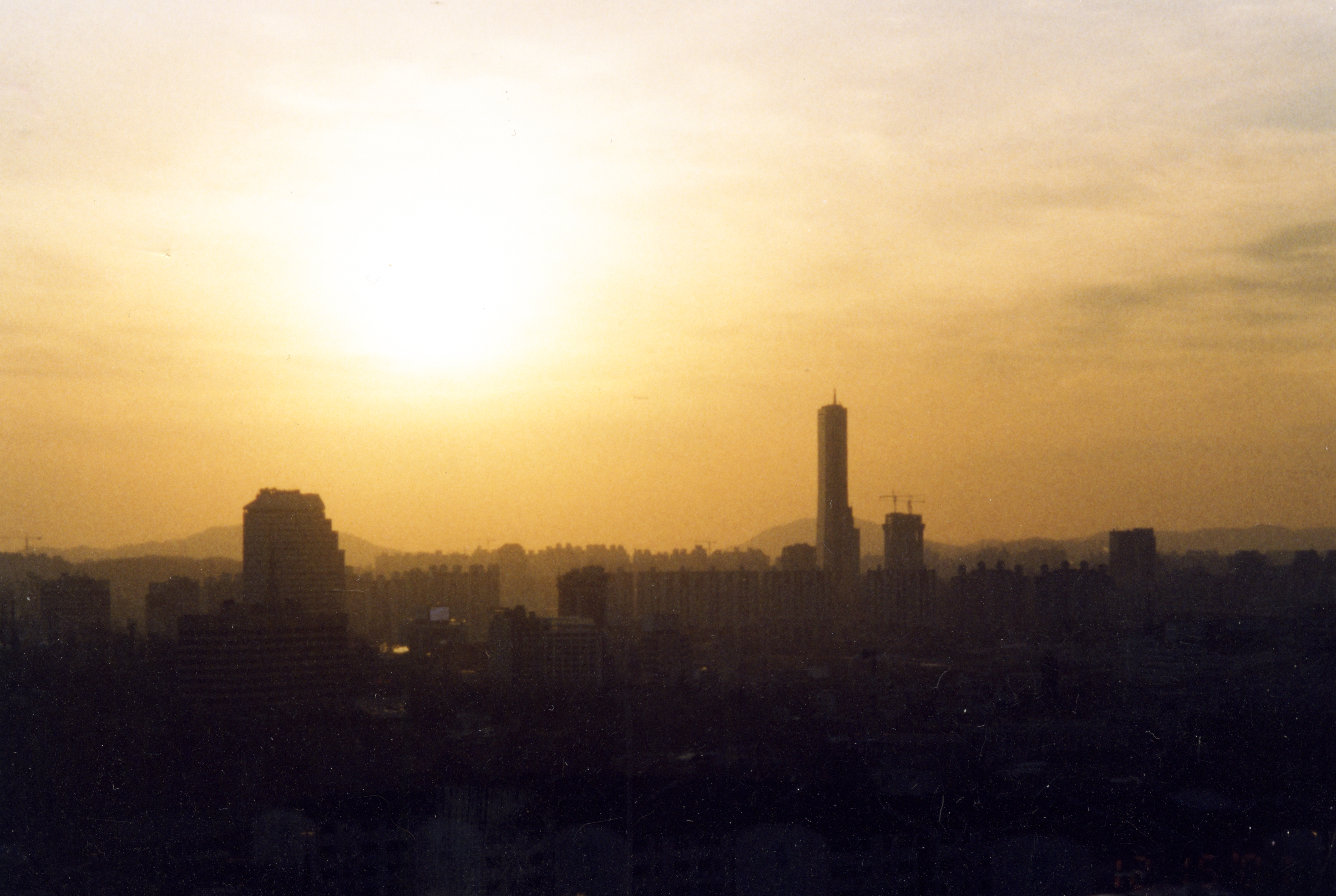
The U.S. and Iran are advancing a deal regarding oil sanctions waivers and inspections as South Korea faces significant market volatility today [1].
These simultaneous shifts in Middle East diplomacy and East Asian markets highlight the fragility of global economic stability during periods of geopolitical uncertainty. While diplomatic breakthroughs may stabilize energy prices, the sudden decline in tech valuations suggests a broader correction in the semiconductor sector.
In South Korea, the KOSPI fell nearly 10 percent [1]. The plunge was driven primarily by heavy sell-offs in the technology sector [1]. Despite the broader market downturn, Samsung reported that sales of its HBM4 memory chips have exceeded $1 billion [1].
President Lee said government officials should maintain emergency response readiness [1]. The president's directive comes as uncertainty persists regarding the outcome of peace talks in the Middle East, a region where the U.S. and Iran are currently negotiating the sanctions waiver [1].
Separately, the Korean government announced a new initiative to boost the domestic entertainment industry. The government is launching a global video-game expansion fund with a value of over $78 million [1]. This move aims to diversify the nation's economic exports beyond hardware and semiconductors.
The coordination between the U.S. and Iran on inspections and oil waivers represents a potential shift in regional security dynamics [1]. However, the immediate impact on Asian markets remained negative as investors reacted to the tech sector's instability [1].
“The KOSPI fell nearly 10 percent due to tech sell-offs.”
The contrast between Samsung's record HBM4 sales and the KOSPI's steep decline indicates a divergence between product-level success and investor confidence. While the U.S.-Iran diplomacy could eventually lower global energy costs, the immediate market reaction suggests that tech-sector volatility and Middle East instability remain the primary drivers of risk for South Korean equities.

'%2F%3E%0A%20%20%20%20%3Crect%20width%3D'1600'%20height%3D'900'%20fill%3D'url(%23v)'%2F%3E%0A%20%20%20%20%3Cg%20opacity%3D'0.08'%20fill%3D'%23ffffff'%3E%0A%20%20%20%20%20%20%3Ccircle%20cx%3D'1420'%20cy%3D'180'%20r%3D'220'%2F%3E%0A%20%20%20%20%20%20%3Ccircle%20cx%3D'1500'%20cy%3D'760'%20r%3D'120'%2F%3E%0A%20%20%20%20%3C%2Fg%3E%0A%20%20%20%20%3Cline%20x1%3D'80'%20y1%3D'172'%20x2%3D'220'%20y2%3D'172'%20stroke%3D'%23ffffff'%20stroke-width%3D'3'%20stroke-opacity%3D'0.6'%2F%3E%0A%20%20%20%20%3Ctext%20x%3D'80'%20y%3D'140'%20font-family%3D'Inter%2C%20-apple-system%2C%20Helvetica%2C%20sans-serif'%20font-weight%3D'700'%20font-size%3D'28'%20fill%3D'%23ffffff'%20letter-spacing%3D'6'%3EHANNA%20%C2%B7%20NEWS%3C%2Ftext%3E%0A%20%20%20%20%3Ctext%20x%3D'80'%20y%3D'230'%20font-family%3D'Inter%2C%20-apple-system%2C%20Helvetica%2C%20sans-serif'%20font-weight%3D'600'%20font-size%3D'40'%20fill%3D'%23ffffffb3'%20letter-spacing%3D'4'%3EWORLD%3C%2Ftext%3E%0A%20%20%20%20%3Ctext%20x%3D'80'%20y%3D'694'%20font-family%3D'Playfair%20Display%2C%20Georgia%2C%20serif'%20font-weight%3D'800'%20font-size%3D'110'%20fill%3D'%23ffffff'%20letter-spacing%3D'-1'%3EFrance%20Records%20Hottest%20Day%3C%2Ftext%3E%3Ctext%20x%3D'80'%20y%3D'820'%20font-family%3D'Playfair%20Display%2C%20Georgia%2C%20serif'%20font-weight%3D'800'%20font-size%3D'110'%20fill%3D'%23ffffff'%20letter-spacing%3D'-1'%3ESince%201947%3C%2Ftext%3E%0A%20%20%20%20%3Ctext%20x%3D'80'%20y%3D'870'%20font-family%3D'Inter%2C%20-apple-system%2C%20Helvetica%2C%20sans-serif'%20font-weight%3D'500'%20font-size%3D'22'%20fill%3D'%23ffffff66'%20letter-spacing%3D'2'%3Enews.hanna-ai.com%3C%2Ftext%3E%0A%20%20%3C%2Fsvg%3E)
