
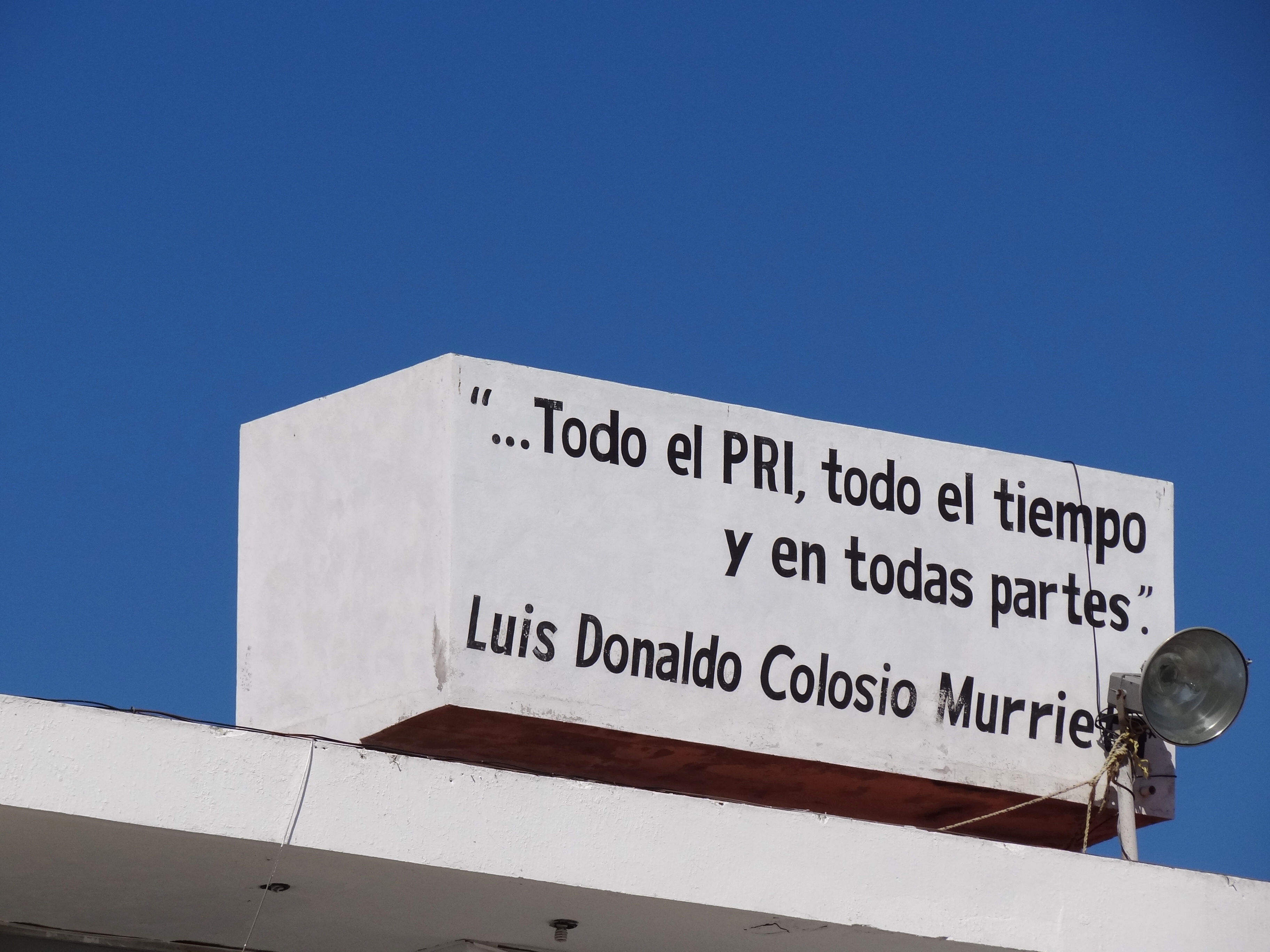
The Institutional Revolutionary Party (PRI) faces allegations of using QR codes to buy votes during the 2026 elections in Coahuila [1].
These accusations strike at the heart of electoral integrity in Mexico. If proven, the use of digital tools to facilitate vote-buying would represent a modernization of traditional fraud tactics to secure political power.
Reports indicate the alleged scheme involved the distribution of QR codes throughout the state during the electoral period [1]. These codes were reportedly used as a mechanism to track and reward voters, ensuring a victory for the PRI [1]. The activity allegedly peaked from the Thursday prior to the closing of the polls until the end of the voting process [2].
Amidst the controversy, the National Electoral Institute (INE) in Coahuila distanced itself from the materials. The agency said it does not participate in, promote, or authorize the placement of banners, tarps, billboards, or any other type of propaganda [3].
Parallel to the QR code scandal, the Morena party reported separate irregularities. Morena officials said there was fraud and reported the detention of 200 party militants [2]. This surge in reported arrests and fraud claims has increased tension across the state's political landscape.
While the PRI has not issued a formal rebuttal to the QR code specific claims in these reports, the INE's refusal to authorize such propaganda places the burden of proof on the party's campaign operations [3]. The contrast between the reported digital strategy and official regulatory guidelines suggests a significant gap in oversight or a deliberate attempt to bypass electoral law.
“The PRI faces allegations of using QR codes to buy votes during the 2026 elections in Coahuila.”
The intersection of digital technology and vote-buying allegations suggests a shift in how political parties may attempt to manipulate outcomes in Mexico. By using QR codes, parties could potentially create a verifiable audit trail for payments to voters, making the fraud harder to detect via traditional cash-monitoring methods. The simultaneous detention of 200 Morena militants suggests a highly volatile electoral environment in Coahuila where both digital fraud and physical suppression are being reported.


