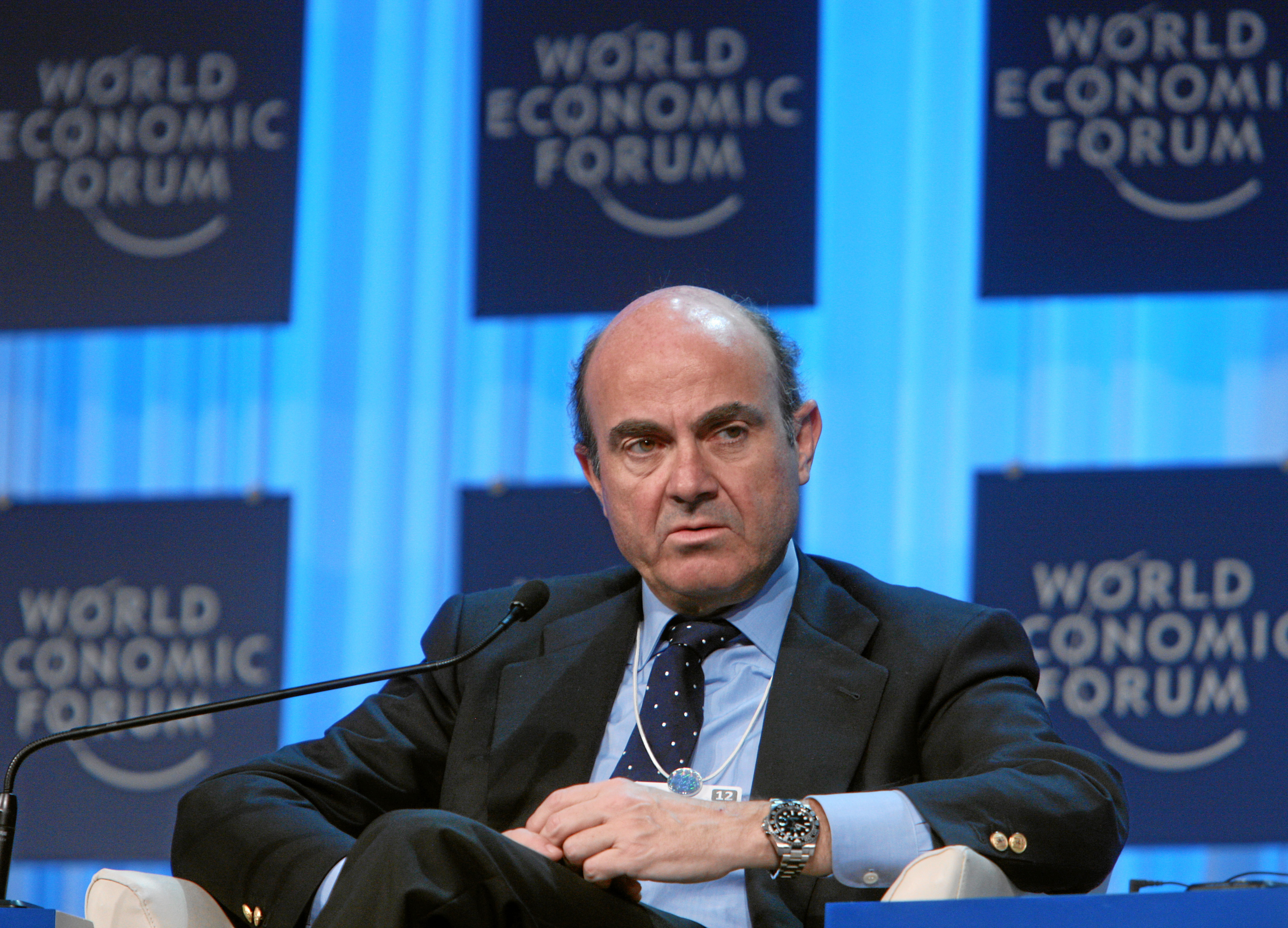
European Central Bank Vice President Luis de Guindos said the bank must consider weaker euro-area growth during its June 2026 [1] policy decision.
The warning comes as the ECB weighs a possible interest-rate hike. A decision to raise rates while economic growth slows could stifle recovery, particularly as energy-supply shocks from the Middle East create volatility in the region.
Guindos attributed the economic slowdown to the ongoing Iran-Israel conflict. He said the resulting disruption to energy flows from the Middle East is expected to weigh on both inflation dynamics, and overall economic expansion [1], [2].
"The European Central Bank should be cautious when considering raising interest rates as the full impact of the Iran war on economic expansion is still to be felt," Guindos said [3].
He noted that current data suggests a downturn is already manifesting in the euro-area economy. "If you look at soft indicators, sentiment indicators, these indicators clearly point at an important impact on growth," Guindos said [2].
The Vice President previously highlighted that the stability of the Strait of Hormuz would be a critical factor for the bank's upcoming deliberations. He said the key factor will be the evolution of the energy flows from the Middle East [1].
The ECB's June 2026 [1] meeting will determine whether the bank prioritizes fighting inflation through higher rates, or supporting growth amid geopolitical instability. Guindos' comments suggest a push for prudence to avoid exacerbating the economic strain caused by the conflict.
“The European Central Bank should be cautious when considering raising interest rates”
The ECB is facing a classic central bank dilemma: fighting inflation while preventing a recession. While energy shocks typically drive prices up—justifying a rate hike—they also stifle economic growth, which argues for keeping rates lower. Guindos' emphasis on 'soft indicators' suggests the bank is seeing early signs of a slowdown that could make further tightening risky.