
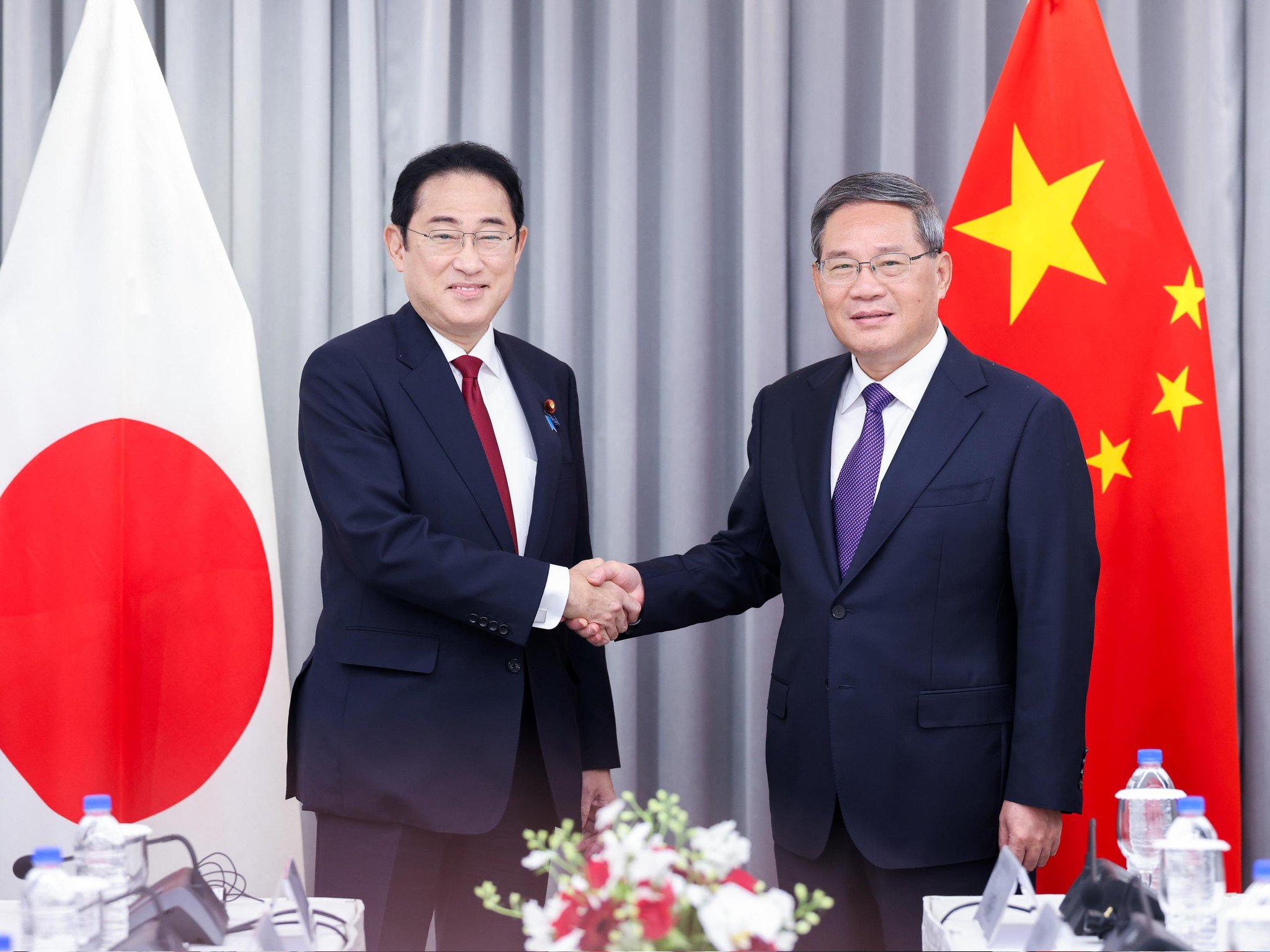
Japanese leaders said there is no substitute for the United States in Japan’s security and strategic partnership.
This commitment comes as Japan navigates an increasingly uncertain global environment. The alliance serves as the primary security umbrella for the nation, though internal debates continue regarding the balance of responsibility between Tokyo and Washington.
Prime Minister Takaichi said this relationship was critical during a summit at the Yokosuka Naval Base. On Oct. 28, 2025, Takaichi delivered remarks aboard the USS George Washington [1]. The meeting with President Donald Trump highlighted the strategic alignment between the two nations in the Pacific region.
To reduce reliance on the U.S., Japan has taken significant steps to bolster its own military capabilities. The government has doubled its security spending [2]. These expenditures are projected to reach two percent of the nation's GDP [2].
Despite these investments, perspectives on the alliance vary within the Japanese government. Joshua Walker, head of the Japan Society, said the U.S. partnership is indispensable in recent interviews. However, former defense minister Kono said Japan puts too much burden on the United States for security [3].
This tension reflects a broader strategic shift. While Japan seeks a more autonomous defense posture to address regional threats, officials said the structural presence of the U.S. military remains the cornerstone of their national stability. The continued coordination between Takaichi and Trump suggests a priority on maintaining this alignment despite domestic calls for greater self-reliance.
“There is no substitute for the United States in Japan’s security and strategic partnership.”
Japan is attempting a delicate balancing act by increasing its own military spending to 2 percent of GDP to satisfy domestic and international calls for self-reliance, while simultaneously reaffirming that the U.S. alliance is the only viable guarantee of its national security.


