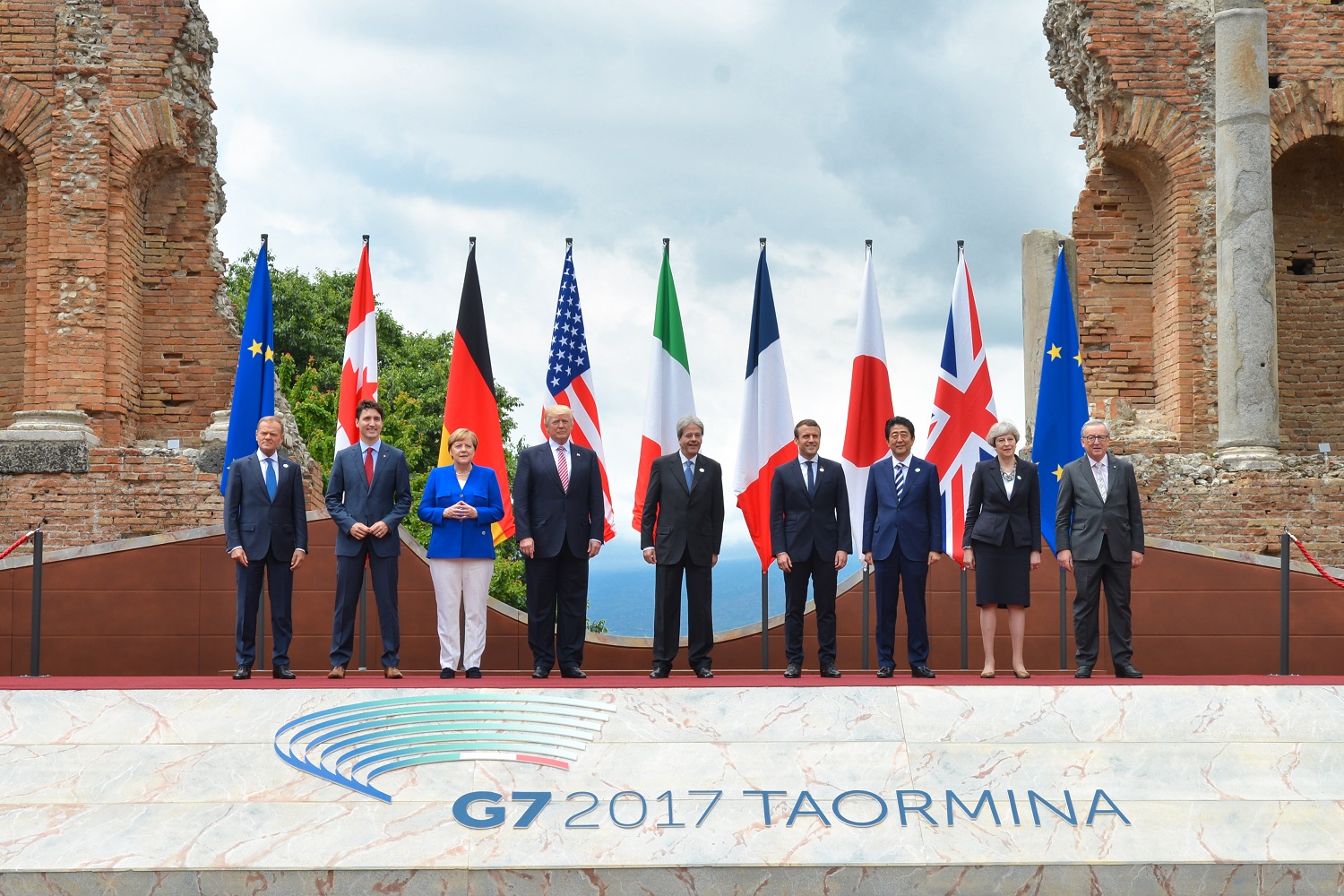
French President Emmanuel Macron invited U.S. President Donald Trump to a dinner at the Palace of Versailles this month [1].
The invitation represents a strategic effort by France to ensure U.S. participation in the G7 summit and to bolster diplomatic relations between the two nations [1]. By offering a high-profile event at one of France's most iconic landmarks, Macron aims to create a favorable environment for bilateral discussions.
The invitation was first announced April 10, 2026 [1]. The dinner is scheduled for the day after the G7 summit, which is taking place in mid-June 2026 [1]. This timing is intended to extend the diplomatic window beyond the formal confines of the summit meetings.
While the invitation has been extended, the attendance of the U.S. president remains unconfirmed [1]. The G7 summit serves as a primary venue for the world's leading industrialized democracies to coordinate policy on global security, trade, and economic stability.
Macron's approach emphasizes the use of cultural diplomacy to bridge political gaps. The Palace of Versailles has historically served as a backdrop for major international agreements and state visits, making it a symbolic choice for a meeting with the U.S. leader [2].
Diplomatic sources said the French administration views the gesture as a way to draw the U.S. closer to the G7 agenda [1]. The dinner would provide a less rigid setting than the official summit sessions, potentially allowing for more candid conversations between the two heads of state [2].
“Macron invited Trump to a dinner at the Palace of Versailles”
This invitation signals France's willingness to use 'prestige diplomacy' to maintain a working relationship with the U.S. administration. By leveraging the symbolic weight of Versailles, Macron is attempting to incentivize U.S. engagement with the G7, suggesting that the stability of the transatlantic alliance may currently rely on personalized diplomacy and high-status gestures rather than purely institutional agreements.


