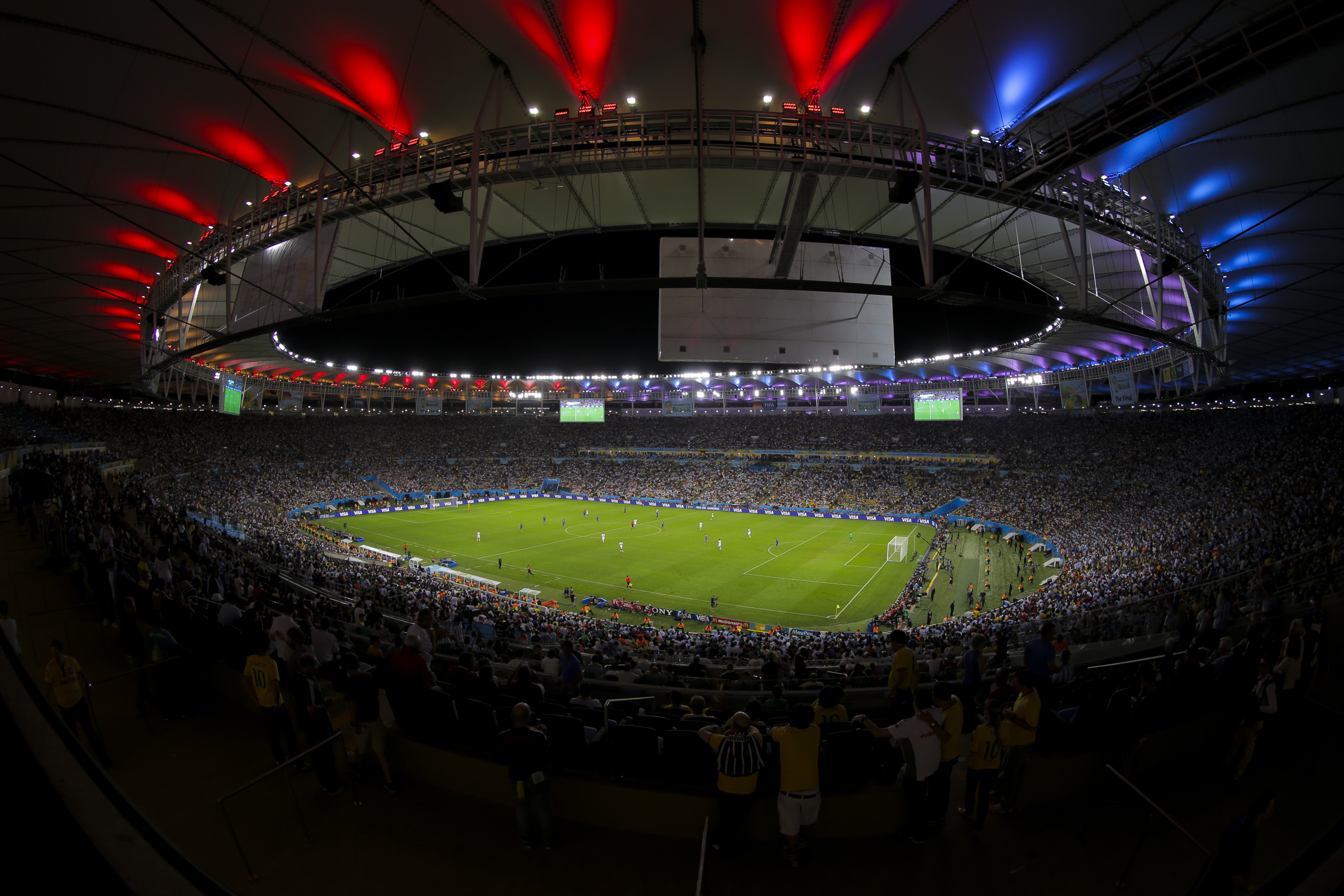
Football fans are marking the 40th anniversary of Diego Maradona's most controversial and celebrated goals against England [1], [2].
The events of that match solidified Maradona's status as a global icon and highlighted the tension between sporting brilliance and gamesmanship. The goals shifted the momentum of the tournament and defined the rivalry between the two nations.
The match took place on June 22, 1986 [1] at the Estadio Azteca in Mexico City [1], [2]. During the quarter-final of the 1986 FIFA World Cup, Maradona scored the infamous "Hand of God" goal, using his hand to propel the ball into the net [1], [2]. The goal stood despite the clear handball, giving Argentina a decisive advantage over the England national football team [1], [2].
Minutes after the controversy, Maradona scored again, creating what is now known as the "Goal of the Century" [1], [2]. This second goal saw him dribble past multiple English defenders to score, contrasting the deception of the first goal with pure athletic skill [2].
These two moments occurred within a short span of time, fundamentally altering the course of the game [1], [2]. The victory allowed Argentina to advance in the tournament and eventually secure the championship [1], [2].
Forty years later, the images of the match continue to circulate as symbols of the sport's unpredictability [1]. The duality of the two goals—one born of a rule violation and the other of genius—remains a primary point of study for football historians [2].
“The 'Hand of God' goal stood despite the clear handball.”
The enduring legacy of the 1986 quarter-final illustrates how a single match can transcend sport to become a cultural touchstone. By combining a blatant foul with an unprecedented display of skill, Maradona created a narrative of the 'rebel' athlete that continues to influence how the world views individual brilliance versus the strict adherence to the rules of the game.

'%2F%3E%0A%20%20%20%20%3Crect%20width%3D'1600'%20height%3D'900'%20fill%3D'url(%23v)'%2F%3E%0A%20%20%20%20%3Cg%20opacity%3D'0.08'%20fill%3D'%23ffffff'%3E%0A%20%20%20%20%20%20%3Ccircle%20cx%3D'1420'%20cy%3D'180'%20r%3D'220'%2F%3E%0A%20%20%20%20%20%20%3Ccircle%20cx%3D'1500'%20cy%3D'760'%20r%3D'120'%2F%3E%0A%20%20%20%20%3C%2Fg%3E%0A%20%20%20%20%3Cline%20x1%3D'80'%20y1%3D'172'%20x2%3D'220'%20y2%3D'172'%20stroke%3D'%23ffffff'%20stroke-width%3D'3'%20stroke-opacity%3D'0.6'%2F%3E%0A%20%20%20%20%3Ctext%20x%3D'80'%20y%3D'140'%20font-family%3D'Inter%2C%20-apple-system%2C%20Helvetica%2C%20sans-serif'%20font-weight%3D'700'%20font-size%3D'28'%20fill%3D'%23ffffff'%20letter-spacing%3D'6'%3EHANNA%20%C2%B7%20NEWS%3C%2Ftext%3E%0A%20%20%20%20%3Ctext%20x%3D'80'%20y%3D'230'%20font-family%3D'Inter%2C%20-apple-system%2C%20Helvetica%2C%20sans-serif'%20font-weight%3D'600'%20font-size%3D'40'%20fill%3D'%23ffffffb3'%20letter-spacing%3D'4'%3EWORLD%3C%2Ftext%3E%0A%20%20%20%20%3Ctext%20x%3D'80'%20y%3D'622'%20font-family%3D'Playfair%20Display%2C%20Georgia%2C%20serif'%20font-weight%3D'800'%20font-size%3D'86'%20fill%3D'%23ffffff'%20letter-spacing%3D'-1'%3EPetrol%20Prices%20Drop%20in%3C%2Ftext%3E%3Ctext%20x%3D'80'%20y%3D'721'%20font-family%3D'Playfair%20Display%2C%20Georgia%2C%20serif'%20font-weight%3D'800'%20font-size%3D'86'%20fill%3D'%23ffffff'%20letter-spacing%3D'-1'%3EPakistan%20Following%20Global%3C%2Ftext%3E%3Ctext%20x%3D'80'%20y%3D'820'%20font-family%3D'Playfair%20Display%2C%20Georgia%2C%20serif'%20font-weight%3D'800'%20font-size%3D'86'%20fill%3D'%23ffffff'%20letter-spacing%3D'-1'%3EOil%20Decline%3C%2Ftext%3E%0A%20%20%20%20%3Ctext%20x%3D'80'%20y%3D'870'%20font-family%3D'Inter%2C%20-apple-system%2C%20Helvetica%2C%20sans-serif'%20font-weight%3D'500'%20font-size%3D'22'%20fill%3D'%23ffffff66'%20letter-spacing%3D'2'%3Enews.hanna-ai.com%3C%2Ftext%3E%0A%20%20%3C%2Fsvg%3E)
