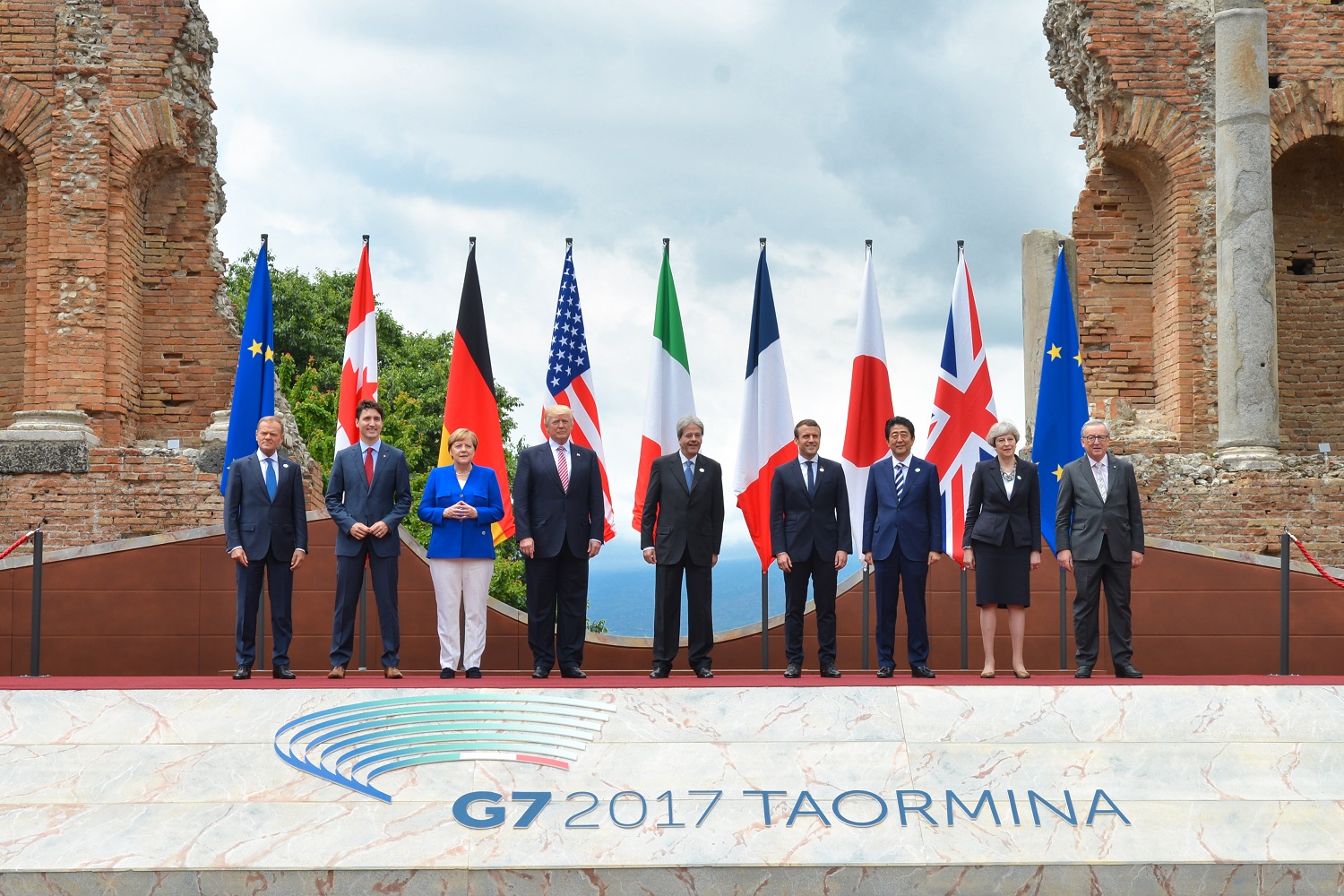
Indian Prime Minister Narendra Modi and U.S. President Donald Trump held their first bilateral meeting in nearly 16 months [1] this week.
The meeting occurs during a period of heightened friction between the two nations, as leaders attempt to stabilize a strategic partnership strained by recent military casualties and economic disputes.
The leaders met on the sidelines of the G7 summit in Evian-les-Bains, France, which took place from June 15-17, 2026 [2]. The discussions focused on a broad agenda including trade negotiations, security, and the development of artificial intelligence, and semiconductors. They also addressed the procurement of critical minerals.
A primary point of contention during the talks was the death of three Indian sailors [3] killed by U.S. military fire. The incident has created significant diplomatic tension and a perceived trust deficit between New Delhi and Washington.
While the two leaders exchanged pleasantries and a handshake in Evian-les-Bains, the underlying atmosphere remained tense. The bilateral talks served as a venue to address these security lapses and prevent further deterioration of ties.
Beyond the immediate crisis, the leaders sought to advance cooperation on high-tech industries. The focus on semiconductors and AI reflects a shared goal of reducing reliance on adversarial supply chains, a key pillar of current U.S. and Indian strategic planning.
The outcome of these talks will likely determine the trajectory of trade agreements and defense cooperation for the remainder of the year.
“First bilateral meeting in nearly 16 months”
This meeting represents a critical effort to decouple essential strategic and technological cooperation from acute diplomatic crises. By addressing the killing of Indian sailors alongside AI and semiconductor talks, both leaders are attempting to maintain a 'comprehensive global strategic partnership' even when military accidents create severe political pressure within India.