
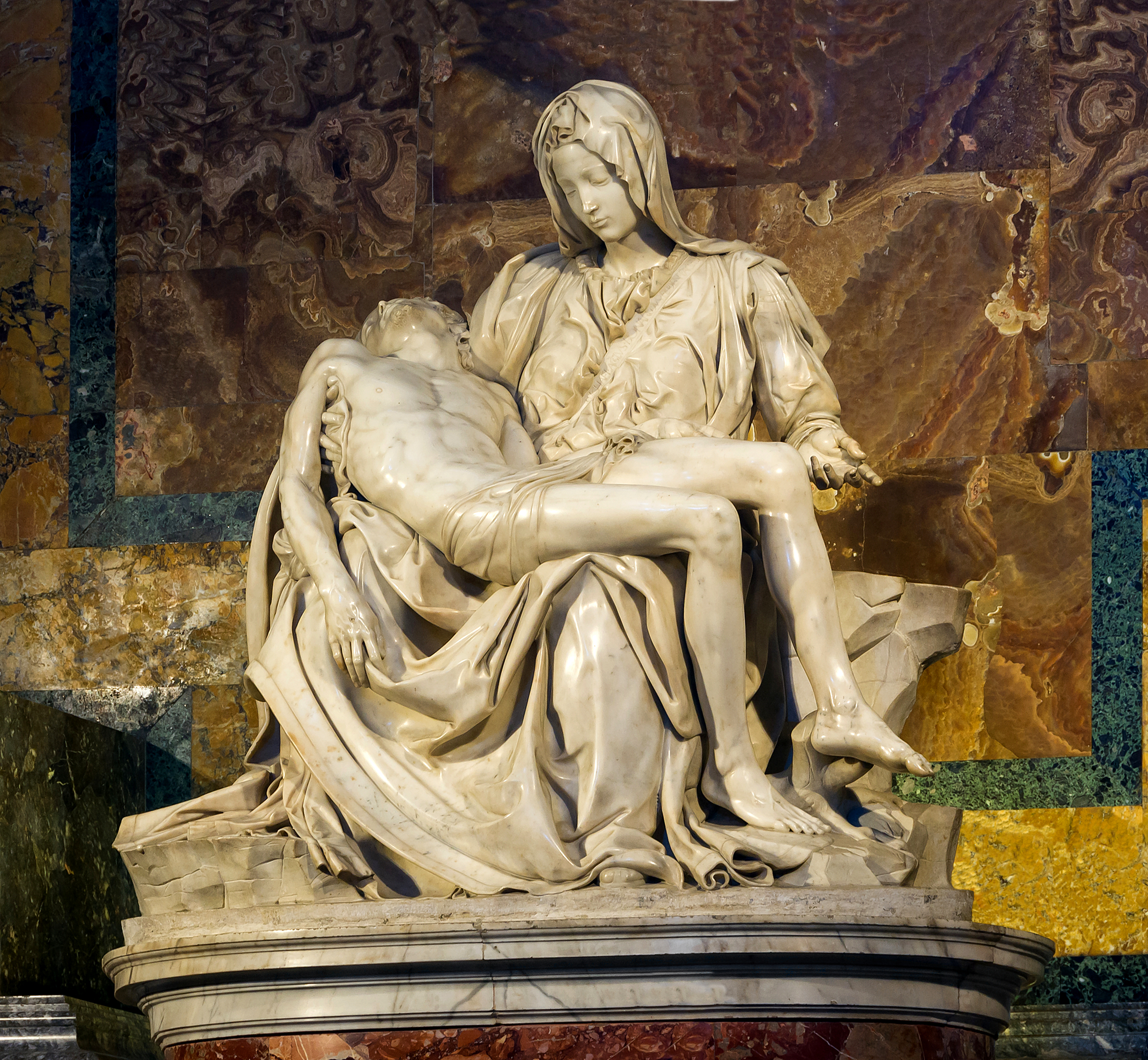
Pope Leo XIV issued a warning Monday regarding artificial intelligence, calling for robust regulation to prevent the technology from becoming anti-human [1, 2].
This move signals a significant shift in the Vatican's engagement with emerging technology. By framing AI as a potential tool for dehumanization, the Pope is urging global leaders and the public to intervene in the development of systems that currently lack transparency [2, 3].
In his first encyclical, the Pope focused on the risks posed by a small number of powerful private companies. He said that "opaque algorithms" controlled by these entities can bring "new forms of dehumanisation" [3]. The document suggests that without public participation and oversight, the trajectory of AI could alienate humanity from its own nature [1, 3].
Leo XIV used biblical imagery to describe the current state of technological ambition. He said that humanity is constructing a disastrous prideful Tower of Babel [2]. This comparison highlights his concern that the pursuit of technical power without ethical grounding leads to societal fragmentation, and spiritual decay [2].
Despite the warnings, the Pope did not call for a total rejection of the technology. He said that we must be part of developing this technology, however it unfolds [1]. This stance emphasizes a need for active human agency and moral guidance in the design of AI systems, rather than passive acceptance of their evolution [1, 3].
The call for regulation is presented as a necessity to safeguard human dignity. The Pope said that the lack of transparency in how AI makes decisions threatens the autonomy of the individual, and the stability of the community [3].
“"Opaque algorithms" controlled by a handful of powerful private companies can bring "new forms of dehumanisation".”
The issuance of this encyclical elevates the ethical debate over AI from technical and legal circles to a global moral imperative. By specifically targeting the concentration of power within private corporations, the Vatican is aligning itself with proponents of 'open' or 'democratic' AI, suggesting that the risk is not just the technology itself, but the opaque governance structures controlling it.


'%2F%3E%0A%20%20%20%20%3Crect%20width%3D'1600'%20height%3D'900'%20fill%3D'url(%23v)'%2F%3E%0A%20%20%20%20%3Cg%20opacity%3D'0.08'%20fill%3D'%23ffffff'%3E%0A%20%20%20%20%20%20%3Ccircle%20cx%3D'1420'%20cy%3D'180'%20r%3D'220'%2F%3E%0A%20%20%20%20%20%20%3Ccircle%20cx%3D'1500'%20cy%3D'760'%20r%3D'120'%2F%3E%0A%20%20%20%20%3C%2Fg%3E%0A%20%20%20%20%3Cline%20x1%3D'80'%20y1%3D'172'%20x2%3D'220'%20y2%3D'172'%20stroke%3D'%23ffffff'%20stroke-width%3D'3'%20stroke-opacity%3D'0.6'%2F%3E%0A%20%20%20%20%3Ctext%20x%3D'80'%20y%3D'140'%20font-family%3D'Inter%2C%20-apple-system%2C%20Helvetica%2C%20sans-serif'%20font-weight%3D'700'%20font-size%3D'28'%20fill%3D'%23ffffff'%20letter-spacing%3D'6'%3EHANNA%20%C2%B7%20NEWS%3C%2Ftext%3E%0A%20%20%20%20%3Ctext%20x%3D'80'%20y%3D'230'%20font-family%3D'Inter%2C%20-apple-system%2C%20Helvetica%2C%20sans-serif'%20font-weight%3D'600'%20font-size%3D'40'%20fill%3D'%23ffffffb3'%20letter-spacing%3D'4'%3EWORLD%3C%2Ftext%3E%0A%20%20%20%20%3Ctext%20x%3D'80'%20y%3D'622'%20font-family%3D'Playfair%20Display%2C%20Georgia%2C%20serif'%20font-weight%3D'800'%20font-size%3D'86'%20fill%3D'%23ffffff'%20letter-spacing%3D'-1'%3EGold%20Mining%20Surges%20in%3C%2Ftext%3E%3Ctext%20x%3D'80'%20y%3D'721'%20font-family%3D'Playfair%20Display%2C%20Georgia%2C%20serif'%20font-weight%3D'800'%20font-size%3D'86'%20fill%3D'%23ffffff'%20letter-spacing%3D'-1'%3ENorthern%20Sudan%20Amid%20War%3C%2Ftext%3E%3Ctext%20x%3D'80'%20y%3D'820'%20font-family%3D'Playfair%20Display%2C%20Georgia%2C%20serif'%20font-weight%3D'800'%20font-size%3D'86'%20fill%3D'%23ffffff'%20letter-spacing%3D'-1'%3EEconomy%3C%2Ftext%3E%0A%20%20%20%20%3Ctext%20x%3D'80'%20y%3D'870'%20font-family%3D'Inter%2C%20-apple-system%2C%20Helvetica%2C%20sans-serif'%20font-weight%3D'500'%20font-size%3D'22'%20fill%3D'%23ffffff66'%20letter-spacing%3D'2'%3Enews.hanna-ai.com%3C%2Ftext%3E%0A%20%20%3C%2Fsvg%3E)