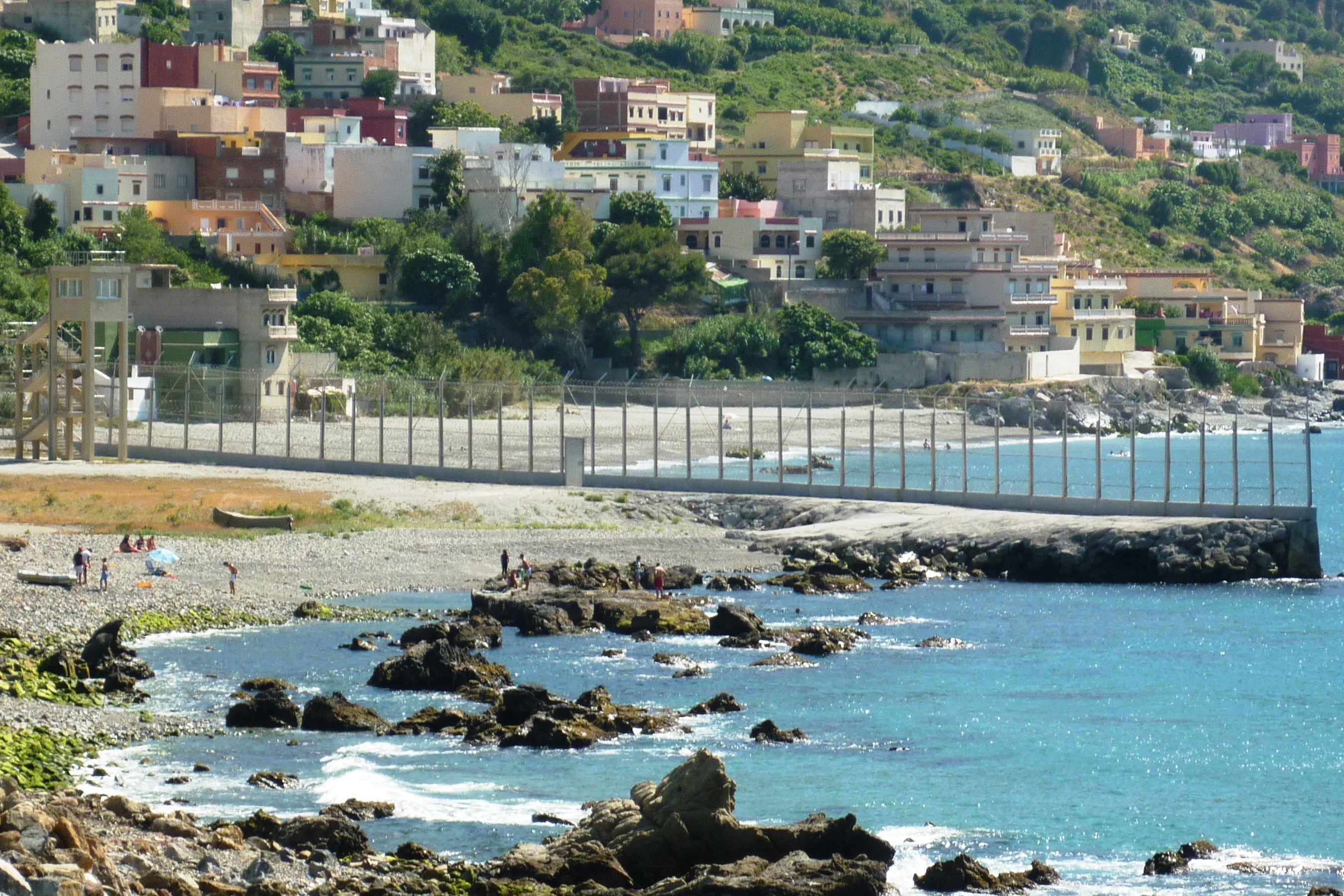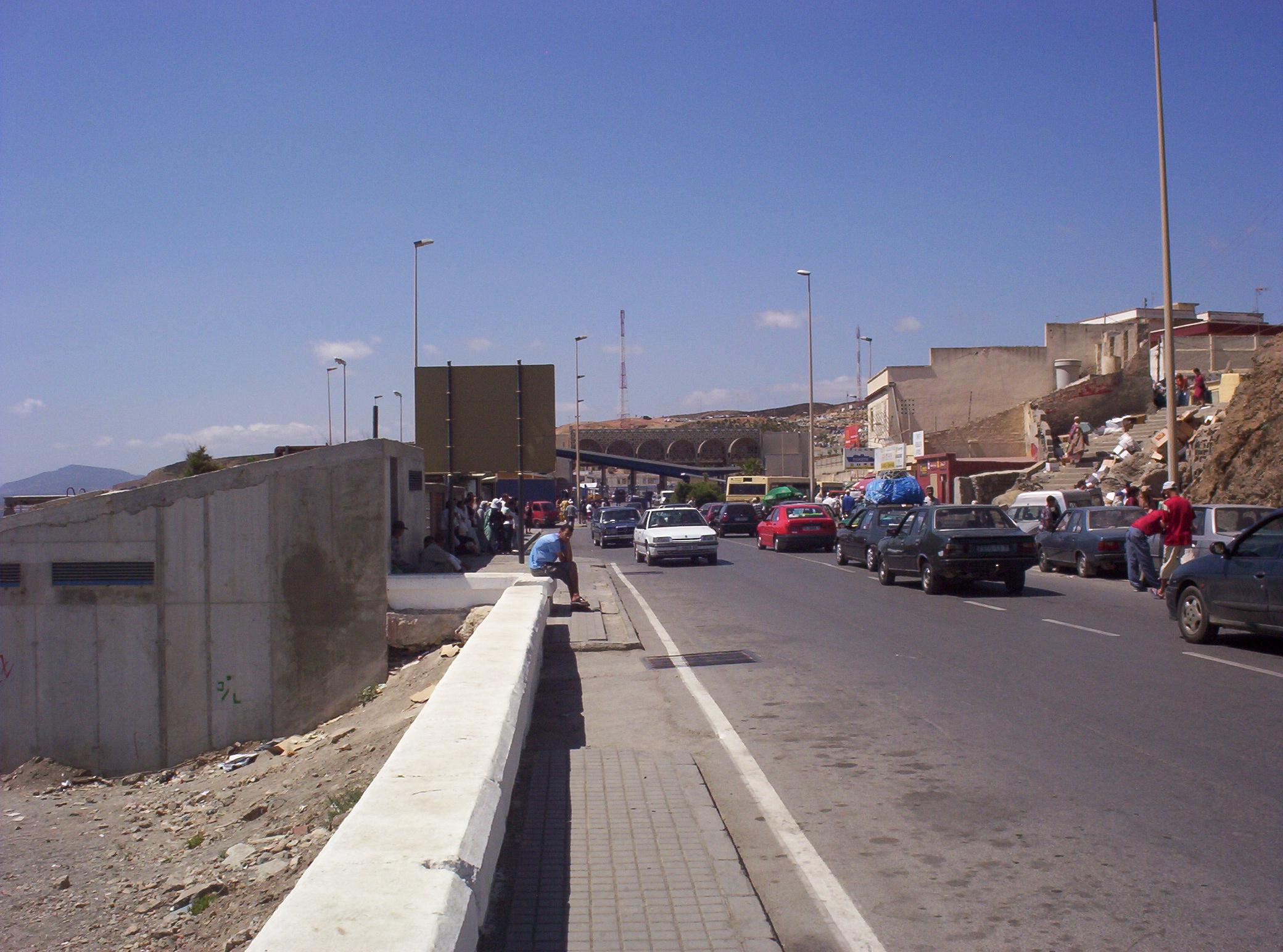
Spanish police and military personnel escorted Moroccan migrants back toward the border of the exclave Ceuta on Saturday [1, 2].
The mass return follows a violent surge that challenged Spain's border security and resulted in dozens of fatalities. The incident underscores the volatile nature of migration corridors in North Africa and the tension between humanitarian needs and national security.
Approximately 50,000 people [1] attempted to cross into the Spanish territory during the week. While some reports suggest about 49,000 people [3] breached the border, the scale of the movement forced a massive security response. Spanish authorities have since returned most of the migrants to Morocco [4].
The human cost of the surge has been significant. Spanish authorities reported 57 deaths [4], while The New York Times reported at least 67 people died [2]. The chaos of the crossing led to desperate measures by those attempting to enter the exclave.
"We were forced to jump into the sea and then the police gathered us and took us back to the border," said one migrant participant [4].
Prime Minister Pedro Sánchez addressed the breach as a matter of national security. "It is a violation of Spain's territorial integrity," Sánchez said [3].
A Spanish government spokesperson confirmed the scale of the repatriation efforts. "Most of the migrants who entered Ceuta are now being escorted back across the border to Morocco," the spokesperson said [5].
Spanish security forces focused on restoring territorial integrity to prevent a protracted migration crisis [3, 4]. The operation involved coordinated efforts between police and military units to guide groups back across the border fence.
“"It is a violation of Spain's territorial integrity."”
The rapid expulsion of thousands of migrants from Ceuta reflects Spain's prioritization of border sovereignty over asylum processing during mass-influx events. By framing the surge as a violation of territorial integrity, the Spanish government signals a hardline approach to migration management in its North African exclaves, likely relying on cooperation with Moroccan authorities to prevent future breaches.