
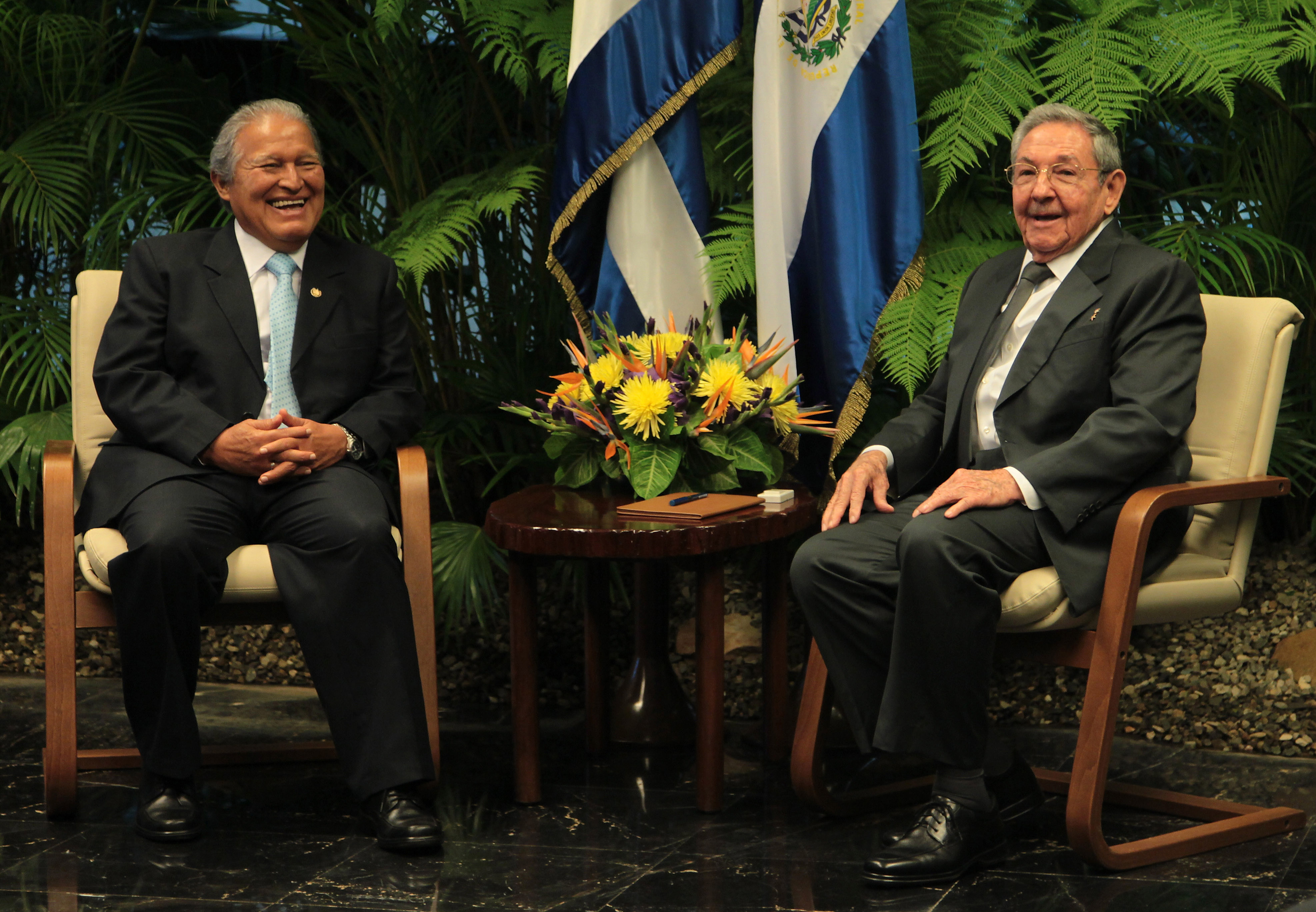
The Trump administration has sought an indictment against former Cuban leader Raul Castro regarding the shootdown of a civilian aircraft [1].
This move marks a sharp escalation in diplomatic and legal pressure on Havana. By targeting a former head of state, the U.S. is signaling a more aggressive approach toward Cuba’s leadership and its state-linked networks [1].
The legal action stems from an incident in 1996 [1]. During that year, Cuban forces shot down a civilian aircraft, an event that remains a primary point of contention between the two nations [1].
The pursuit of an indictment is part of a broader campaign by the U.S. government to hold Cuban officials accountable for past actions [1]. This strategy focuses on dismantling the influence of networks tied to the Cuban state [1].
Reports indicate that these legal maneuvers have raised concerns about the potential for further conflict. Some observers said the move could heighten the risk of a direct confrontation or even an invasion of the island [1].
While the U.S. government has not detailed the specific timeline for the indictment, the action represents a significant shift in the bilateral relationship. The focus on the 1996 incident suggests that the administration is utilizing historical grievances to apply current political pressure [1].
“The Trump administration has sought an indictment against former Cuban leader Raul Castro.”
The attempt to indict Raul Castro shifts U.S.-Cuba relations from diplomatic friction to legal warfare. By targeting a former leader for an event occurring three decades ago, the U.S. is leveraging the judicial system to isolate the Cuban government. This creates a volatile environment where legal proceedings could be interpreted by Havana as a precursor to military intervention.



