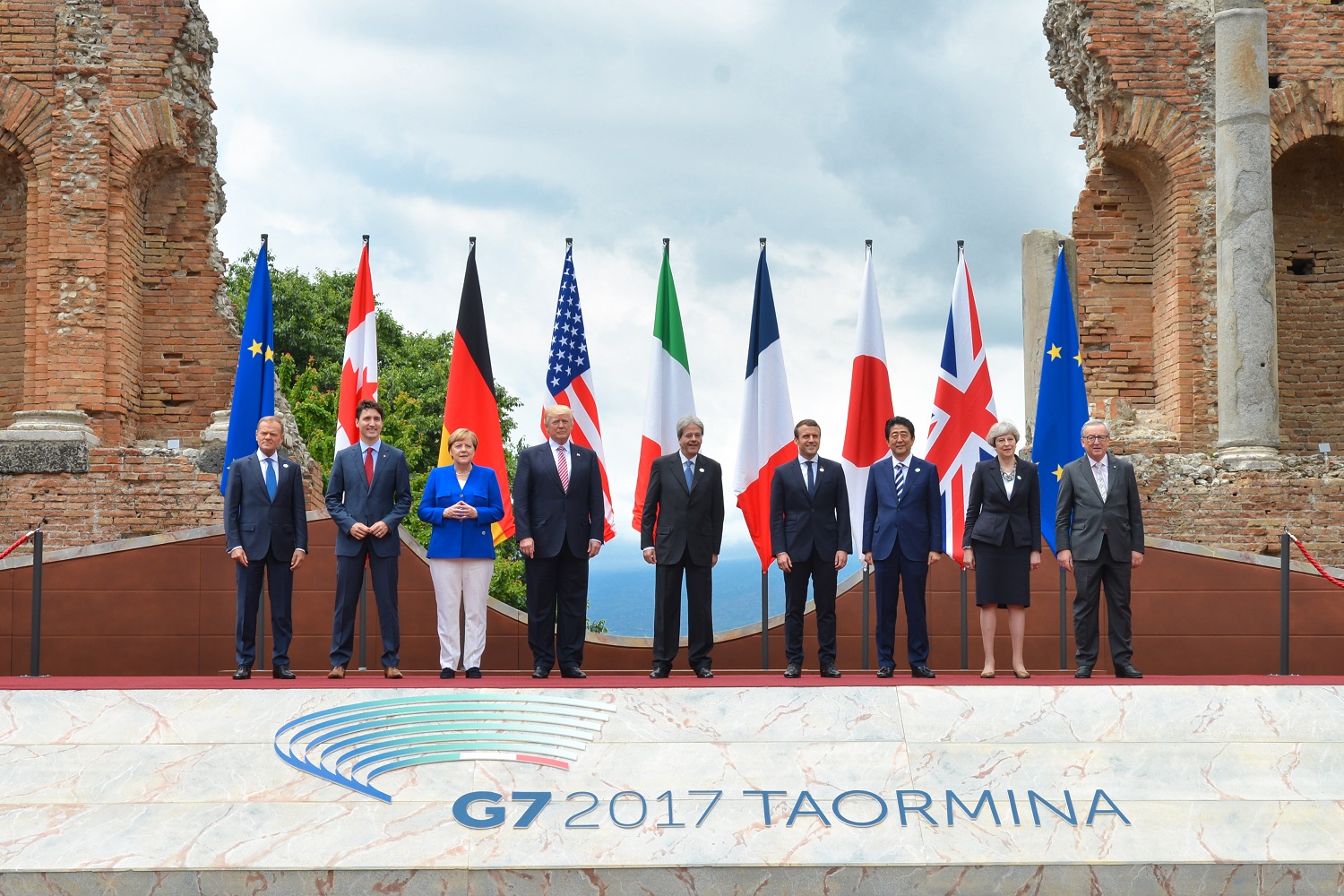
U.S. President Donald Trump said the United States will not invest any money in Iran as part of a forthcoming memorandum of understanding [1, 2, 3].
The statement arrives as the U.S. and Iran move toward a formal agreement to stabilize relations. The refusal to provide direct financial investment clarifies the fiscal boundaries of the deal and signals that the U.S. will not provide economic subsidies to the Iranian government.
Trump made the remarks Tuesday, June 16, 2026, while in France [1, 2]. The comments occurred during a bilateral meeting with the Emir of Qatar on the sidelines of the G7 summit [2].
During the meeting, the president addressed the terms of the upcoming U.S.–Iran memorandum of understanding. He said the deal was a fair agreement but rejected the notion that it included American funding [3].
"We will not invest any money in Iran," Trump said [1].
He said the U.S. does not owe financial contributions to the other party to secure the peace deal. "The United States has no obligation to invest in Iran," Trump said [4].
The G7 summit in France has focused heavily on international security, with the first full day of meetings prioritizing discussions regarding Ukraine, and Iran [2]. The U.S. position on the memorandum of understanding remains a central point of these diplomatic efforts.
"We are not investing any money in Iran," Trump said [2].
“"We will not invest any money in Iran."”
By explicitly decoupling financial investment from the memorandum of understanding, the U.S. administration is attempting to frame the deal as a diplomatic and security arrangement rather than an economic package. This approach aims to avoid domestic political backlash regarding the use of taxpayer funds in Iran while still pursuing a formal framework to reduce regional tensions.