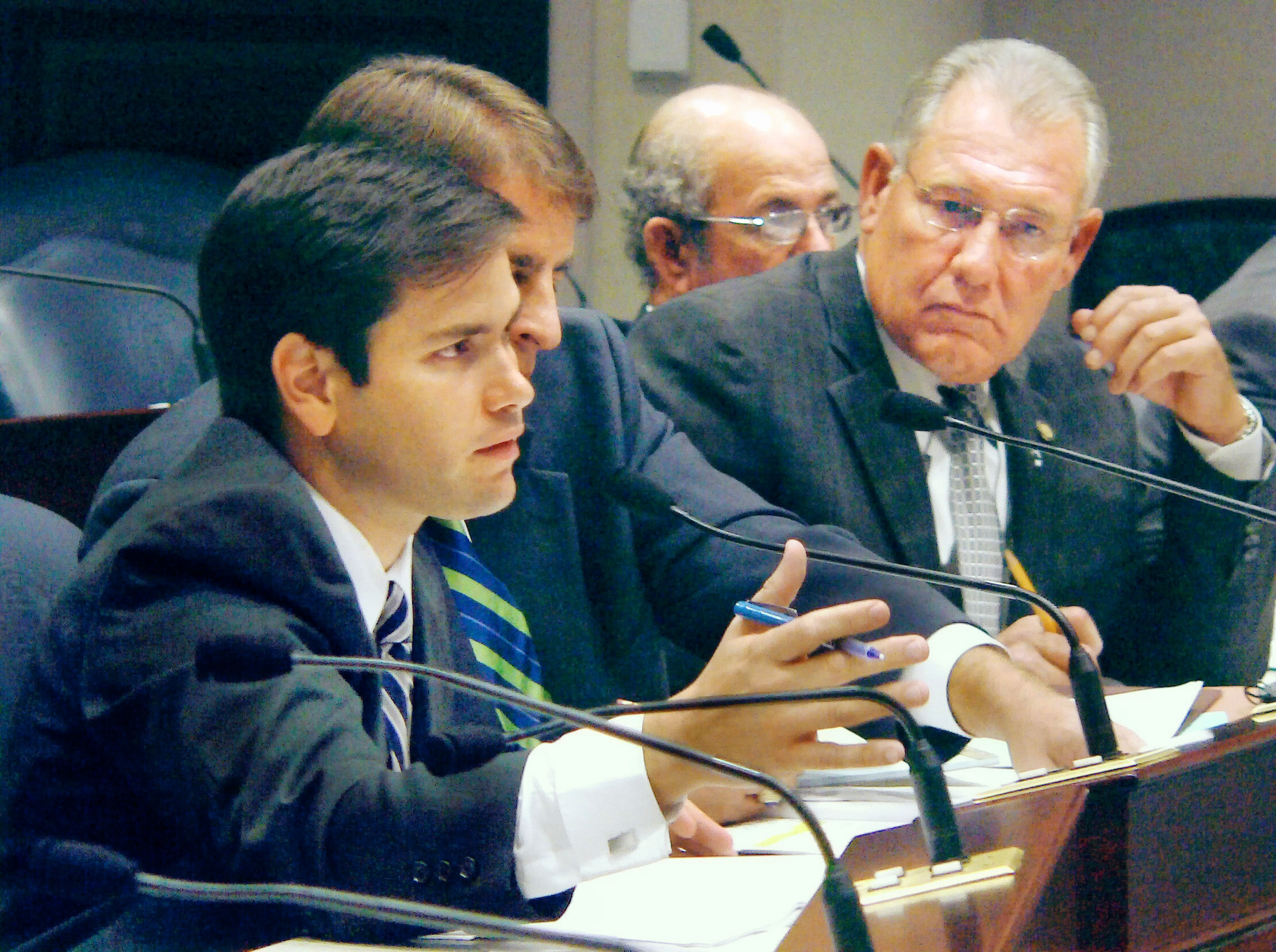
U.S. Secretary of State Marco Rubio said Tuesday that the United States will re-engage with the global vaccine alliance Gavi [1, 2].
The move restores funding for a critical humanitarian vaccine program during an active Ebola outbreak, reversing a previous freeze on financial support [1, 2].
Rubio said the decision during a Senate Foreign Relations Committee hearing in Washington, D.C., on June 2, 2026 [1, 2]. The decision follows a period of tension within the administration regarding the alliance's operations.
According to reports, the funding had been held up due to vaccine concerns raised by Health Secretary Robert F. Kennedy Jr. [1, 2]. The State Department's decision to resume support aims to ensure the international community has the resources necessary to contain the current Ebola spread [1, 2].
Gavi serves as a public-private partnership that increases access to immunization in poor countries. The U.S. has historically been a primary donor to the organization, which coordinates the distribution of vaccines to the world's most vulnerable populations [1, 2].
The resumption of these funds is intended to stabilize the global health response as the Ebola outbreak persists. By re-entering the alliance, the U.S. seeks to maintain its influence in global health security, and prevent the further spread of the virus across borders [1, 2].
“The United States will re-engage with the global vaccine alliance Gavi.”
This policy shift indicates a prioritization of immediate pandemic containment over the internal ideological concerns previously voiced by the Health Secretary. By resuming funding for Gavi, the U.S. government is acknowledging that the logistical and financial scale of an Ebola outbreak requires multilateral cooperation and the existing infrastructure of global vaccine alliances to prevent a wider international health crisis.