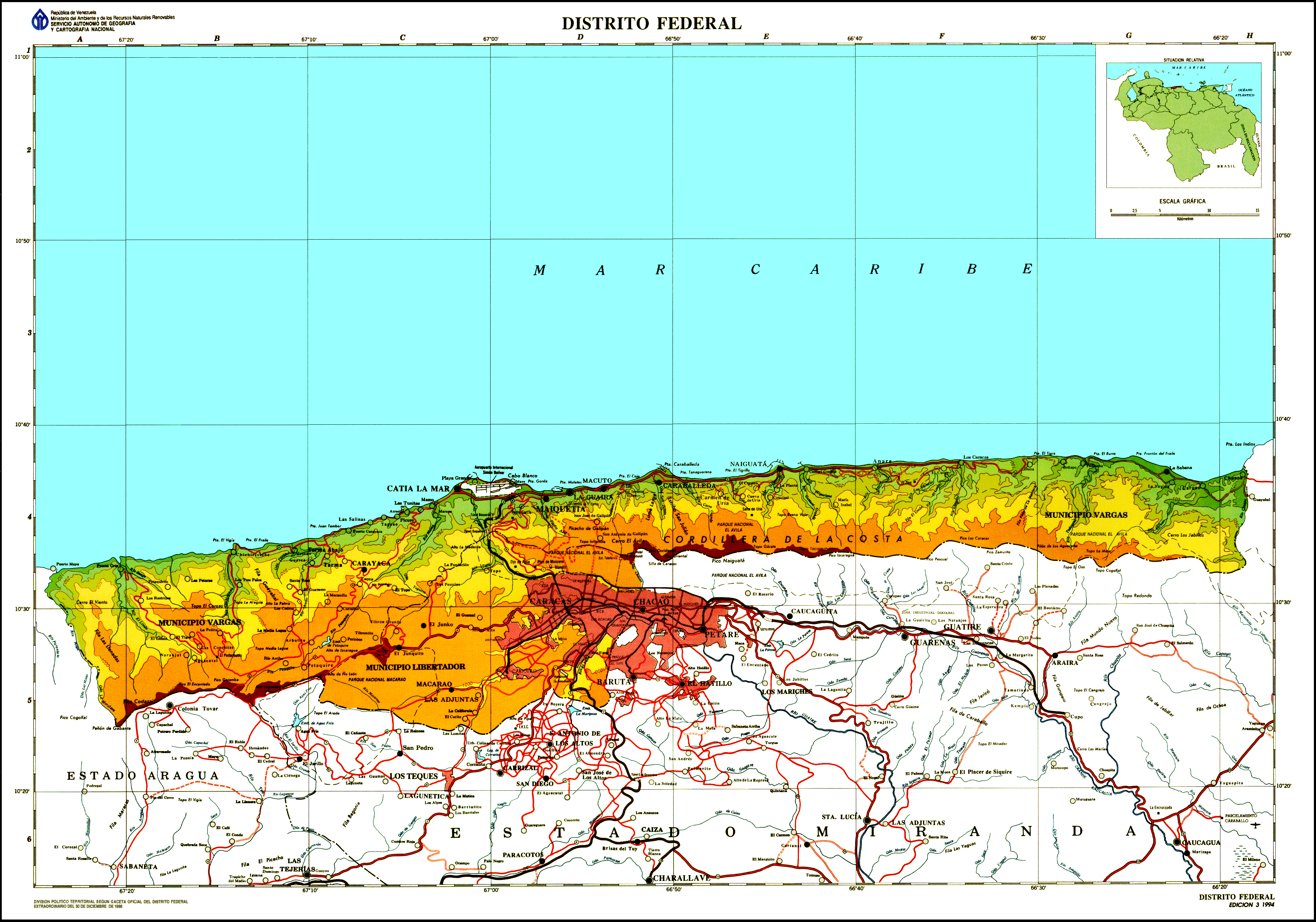
Twin powerful earthquakes struck northern Venezuela on June 24 and 25, 2026, causing widespread destruction in the capital and coastal regions [1, 2, 3].
The disaster has triggered a state of emergency as rescue teams struggle to reach survivors in heavily damaged urban centers. The scale of the collapse in residential and commercial sectors threatens to overwhelm local emergency services and healthcare infrastructure.
The first quake registered a magnitude of 7.2 [4]. It was followed by a second major shock, reported as having a magnitude between seven [5] and 7.5 [4]. More than 20 aftershocks have since been reported [4].
Casualty reports vary significantly as search operations continue. Some reports state at least 235 people died [4], while others confirm at least 32 deaths [6]. There are fears that the total death toll could eventually exceed 10,000 [6]. More than 4,300 people have been injured [4].
Destruction is most severe in Caracas and the coastal city of La Guaira [1, 2]. Aerial footage shows extensive damage across La Guaira, where buildings and infrastructure have collapsed [1].
Emergency responders are currently working through rubble to locate missing persons. The government has focused efforts on the most affected northern zones, though the volatile seismic activity continues to complicate rescue missions.
“The first quake registered a magnitude of 7.2.”
The disparity in casualty figures suggests a fragmented reporting environment during the immediate aftermath of the disaster. The high magnitude of the twin shocks, combined with the vulnerability of urban infrastructure in Caracas and La Guaira, indicates a long-term humanitarian crisis and a massive reconstruction requirement for the region.


