'%2F%3E%0A%20%20%20%20%3Crect%20width%3D'1600'%20height%3D'900'%20fill%3D'url(%23v)'%2F%3E%0A%20%20%20%20%3Cg%20opacity%3D'0.08'%20fill%3D'%23ffffff'%3E%0A%20%20%20%20%20%20%3Ccircle%20cx%3D'1420'%20cy%3D'180'%20r%3D'220'%2F%3E%0A%20%20%20%20%20%20%3Ccircle%20cx%3D'1500'%20cy%3D'760'%20r%3D'120'%2F%3E%0A%20%20%20%20%3C%2Fg%3E%0A%20%20%20%20%3Cline%20x1%3D'80'%20y1%3D'172'%20x2%3D'220'%20y2%3D'172'%20stroke%3D'%23ffffff'%20stroke-width%3D'3'%20stroke-opacity%3D'0.6'%2F%3E%0A%20%20%20%20%3Ctext%20x%3D'80'%20y%3D'140'%20font-family%3D'Inter%2C%20-apple-system%2C%20Helvetica%2C%20sans-serif'%20font-weight%3D'700'%20font-size%3D'28'%20fill%3D'%23ffffff'%20letter-spacing%3D'6'%3EHANNA%20%C2%B7%20NEWS%3C%2Ftext%3E%0A%20%20%20%20%3Ctext%20x%3D'80'%20y%3D'230'%20font-family%3D'Inter%2C%20-apple-system%2C%20Helvetica%2C%20sans-serif'%20font-weight%3D'600'%20font-size%3D'40'%20fill%3D'%23ffffffb3'%20letter-spacing%3D'4'%3EWORLD%3C%2Ftext%3E%0A%20%20%20%20%3Ctext%20x%3D'80'%20y%3D'622'%20font-family%3D'Playfair%20Display%2C%20Georgia%2C%20serif'%20font-weight%3D'800'%20font-size%3D'86'%20fill%3D'%23ffffff'%20letter-spacing%3D'-1'%3ESearch%20for%20Survivors%3C%2Ftext%3E%3Ctext%20x%3D'80'%20y%3D'721'%20font-family%3D'Playfair%20Display%2C%20Georgia%2C%20serif'%20font-weight%3D'800'%20font-size%3D'86'%20fill%3D'%23ffffff'%20letter-spacing%3D'-1'%3EContinues%20After%20Deadly%20Twin%3C%2Ftext%3E%3Ctext%20x%3D'80'%20y%3D'820'%20font-family%3D'Playfair%20Display%2C%20Georgia%2C%20serif'%20font-weight%3D'800'%20font-size%3D'86'%20fill%3D'%23ffffff'%20letter-spacing%3D'-1'%3EEarthquakes%20in%20Venezuela%3C%2Ftext%3E%0A%20%20%20%20%3Ctext%20x%3D'80'%20y%3D'870'%20font-family%3D'Inter%2C%20-apple-system%2C%20Helvetica%2C%20sans-serif'%20font-weight%3D'500'%20font-size%3D'22'%20fill%3D'%23ffffff66'%20letter-spacing%3D'2'%3Enews.hanna-ai.com%3C%2Ftext%3E%0A%20%20%3C%2Fsvg%3E)
Rescue operations are underway across Venezuela to locate survivors after twin earthquakes struck the country on Wednesday, June 26, 2026.
The scale of the disaster has triggered an international humanitarian response as local authorities struggle to clear rubble and treat thousands of casualties. The intensity of the twin tremors has caused widespread destruction, leaving many residents trapped beneath collapsed buildings.
Confirmed deaths have reached at least 920 [2], while reports on the number of injured range from more than 3,300 [4] to 3,360 [2]. Emergency teams are working through the debris to find those still missing.
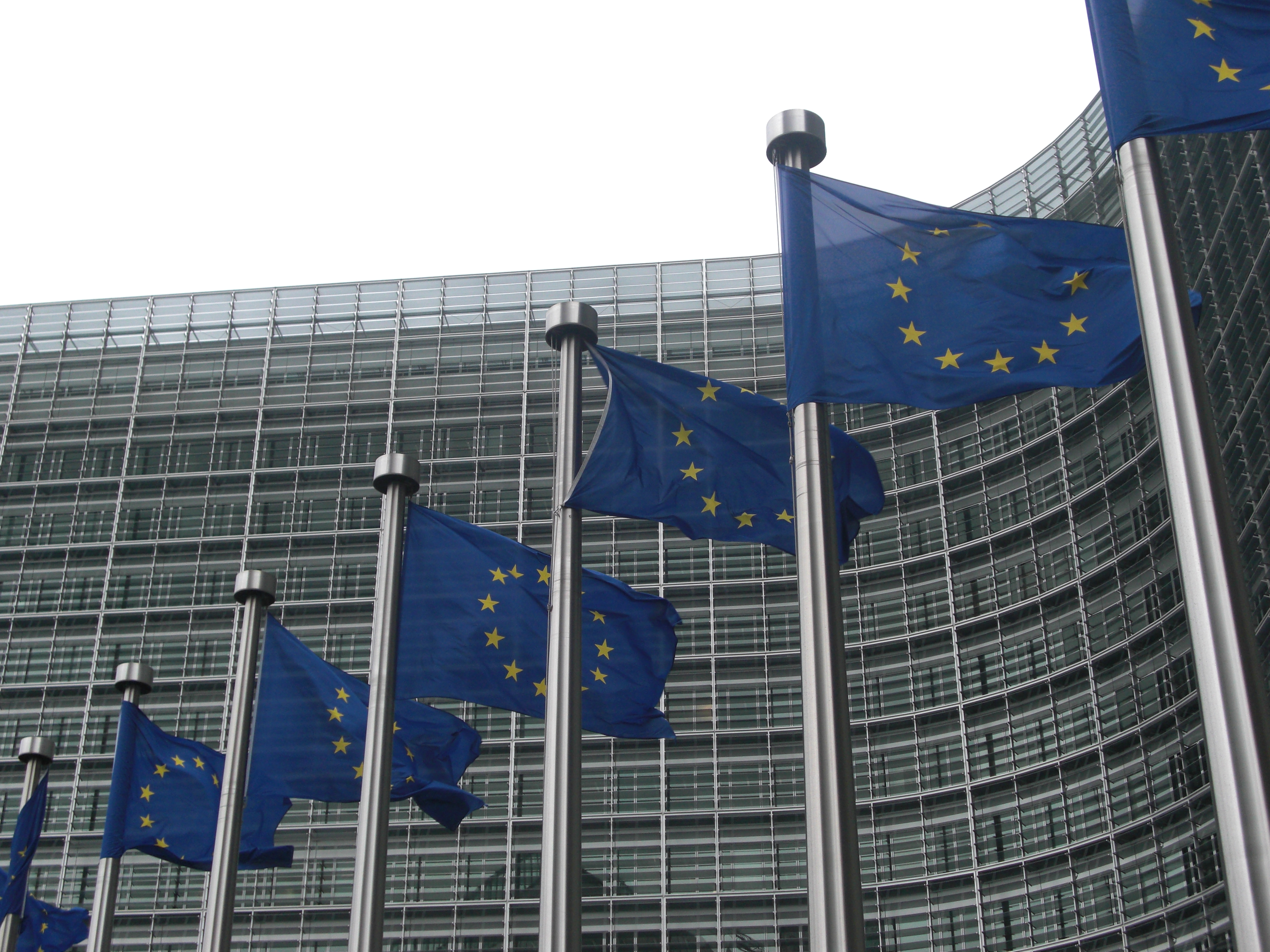
International aid has arrived to bolster the domestic response. A European Commission spokesperson said that more than 520 emergency responders from across the EU have been mobilised to support search and rescue efforts in Venezuela [1]. These teams bring specialized equipment and personnel to assist in the recovery process.
Acting President Delcy Rodríguez has overseen the government's reaction to the crisis. "The desperate search will continue," Rodríguez said [2].
Local and international teams are facing a critical window of time to find survivors. A CNN live-blog reporter said that rescuers are racing against time to save those trapped under the rubble [3].
Efforts remain concentrated on the hardest-hit areas where infrastructure has suffered the most damage. Coordination between the Venezuelan authorities and the EU responders aims to maximize the reach of search-and-rescue operations across the affected regions.
“"The desperate search will continue."”
The deployment of over 500 EU responders indicates that the magnitude of the twin earthquakes has exceeded Venezuela's internal disaster response capacity. With a death toll approaching 1,000 and thousands injured, the focus now shifts from immediate rescue to long-term recovery and the management of a significant public health crisis resulting from the infrastructure collapse.