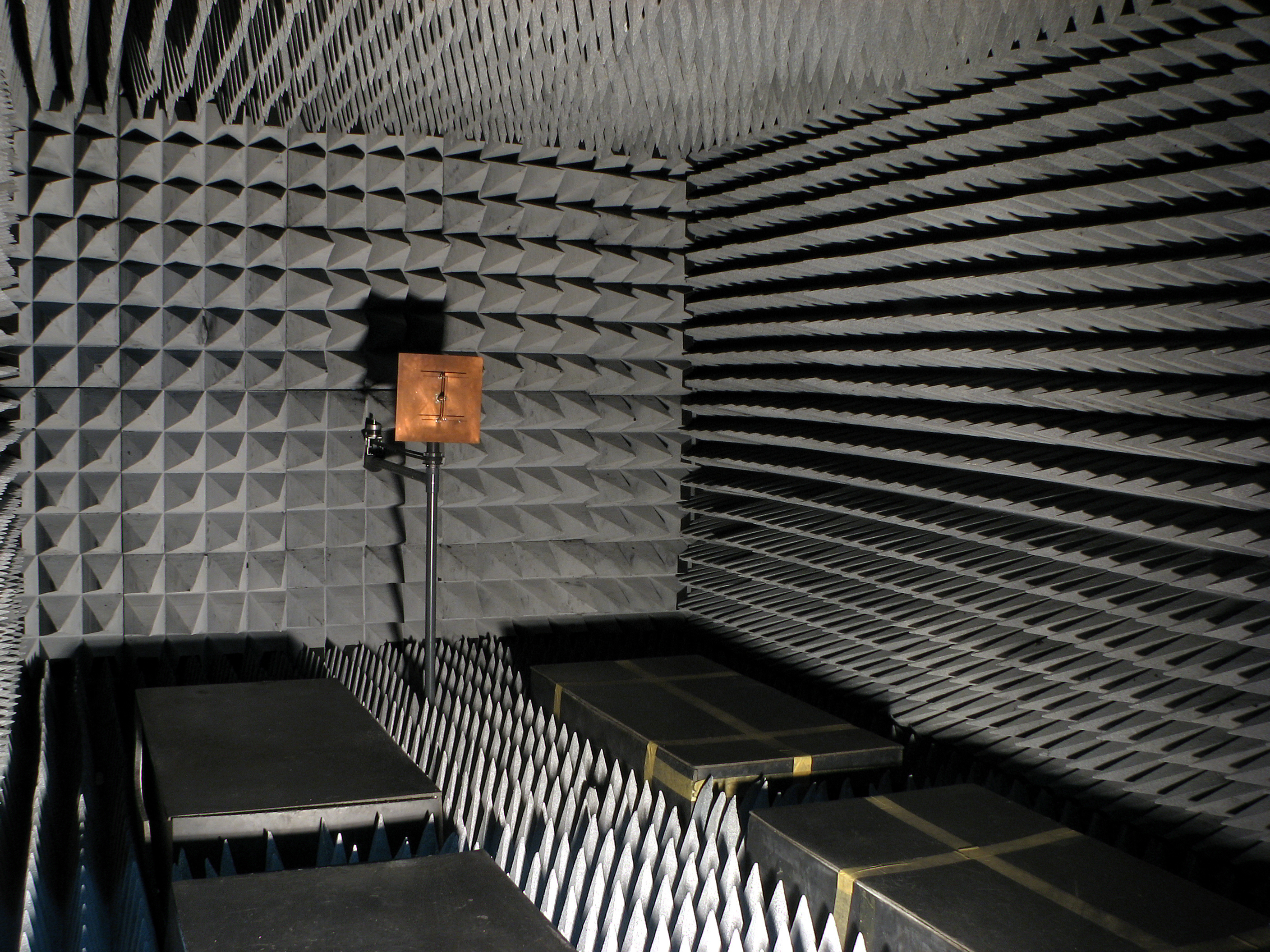
Researchers at 3M use an anechoic chamber in St. Paul, Minnesota, to study how sound waves behave in a silent environment [1, 2].
This facility is critical for the development of commercial sound-damping products. By removing external noise and echoes, scientists can isolate specific acoustic variables to improve the efficiency of noise-reducing technologies [1, 3].
Commonly referred to as the world's quietest room, the chamber is designed to absorb the vast majority of sound waves [1, 3]. This prevents sound from bouncing off the walls, which creates an environment where silence becomes a primary tool for measurement [3].
Inside the facility, 3M engineers test materials and devices to determine how they interact with sound [1]. The goal of these tests is to inform the design of products that reduce noise pollution, or improve audio clarity in various industrial and consumer settings [1, 3].
While the chamber is marketed as the quietest room in the world, other reports have highlighted different quiet spaces, such as residential homes built for specific medical needs [3]. However, the 3M facility remains a primary hub for professional acoustic research due to its controlled environment [1, 2].
The chamber allows for a level of precision that is impossible in standard laboratories. Because the room eliminates the reflection of sound, researchers can pinpoint the exact origin and movement of a sound wave, a process essential for creating high-performance acoustic insulation [1, 3].
“The facility is critical for the development of commercial sound-damping products.”
The use of anechoic chambers represents the intersection of architectural engineering and materials science. By creating a vacuum of sound, 3M can accelerate the creation of noise-reduction technologies that are later applied to everything from construction materials to consumer electronics, effectively translating absolute silence into commercial utility.


