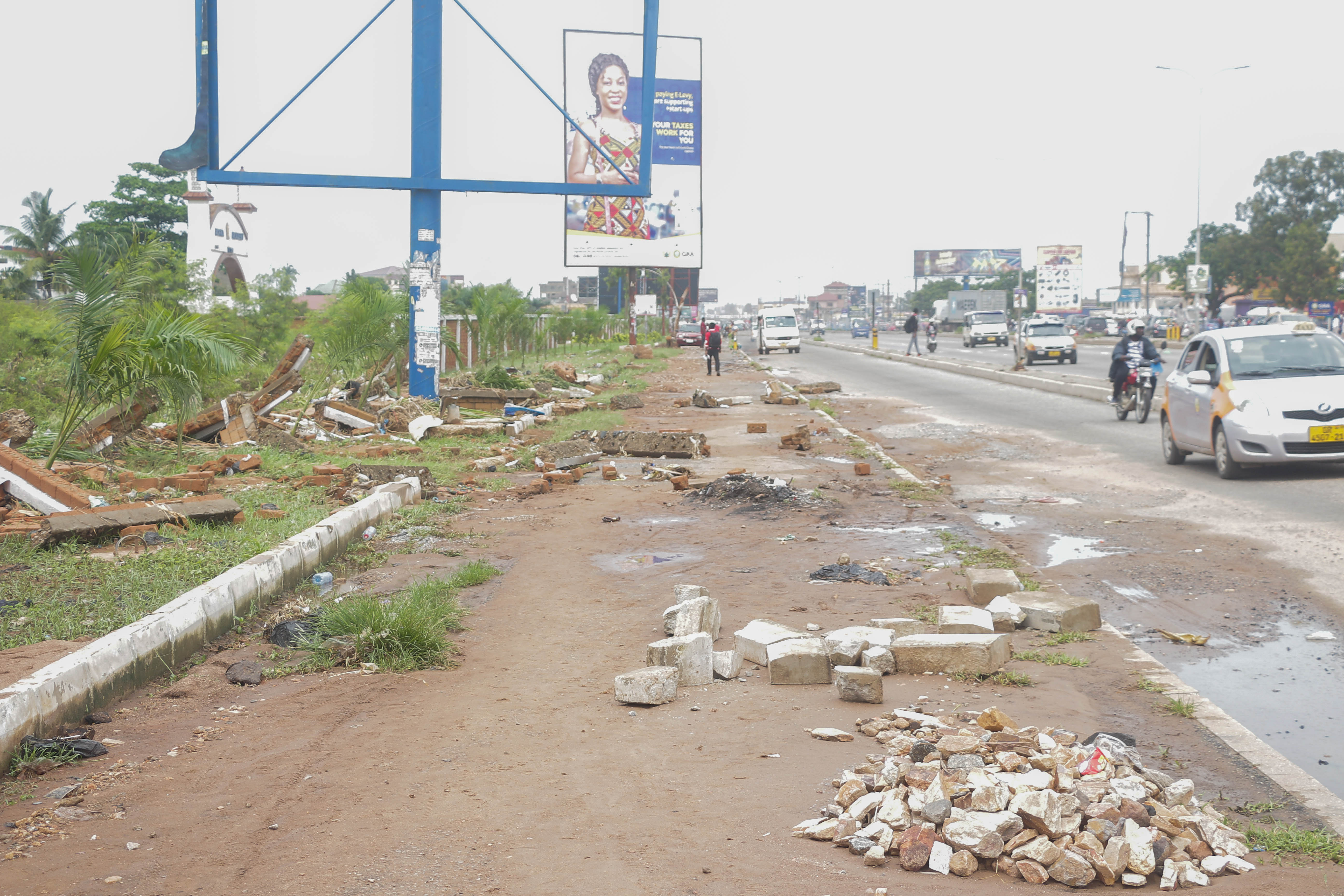
Heavy rainfall in Accra, Ghana, submerged homes and roads on June 29, 2024 [1], forcing residents to seek refuge on rooftops [1].
The flooding highlights the vulnerability of urban infrastructure in the capital, where sudden, intense weather events can rapidly displace populations and disrupt essential transit.
Residents in the Alajo neighbourhood [1] were among those hardest hit as floodwaters rose quickly. The deluge overwhelmed the city's drainage system [1], turning streets into rivers and trapping people inside their homes. Some residents were forced to climb onto the roofs of their houses to avoid the rising water [1].
Vehicles and homes were submerged across the affected areas [1]. The scale of the flooding left many residents stranded, with some reports indicating that fire and floods hit the capital simultaneously, complicating emergency response efforts [2].
Local reports described a scene of chaos as the water level rose, cutting off primary access roads in Alajo [1]. The speed of the flooding prevented many from securing their belongings or evacuating the area before the water entered their living spaces [1].
Emergency services and residents worked to navigate the submerged streets to reach those trapped. The event underscores a recurring pattern of seasonal flooding in the region, where heavy rains frequently exceed the capacity of existing urban water management systems [1].
“Heavy rainfall in Accra, Ghana, submerged homes and roads.”
This event demonstrates the critical need for upgraded urban drainage and climate-resilient infrastructure in Accra. When heavy rainfall exceeds the capacity of the city's current systems, it transforms residential areas like Alajo into high-risk zones, shifting the burden of survival onto residents who must rely on makeshift shelters like rooftops.

![The conference hall of the 2016 Labour Party Conference - the platform and front few rows. Gail Cartmail, Assistant General Secretary of Unite the Union, is speaking on an Energy motion.[1]](https://upload.wikimedia.org/wikipedia/commons/1/18/2016_Labour_Party_Conference%2C_conference_hall.jpg)
