
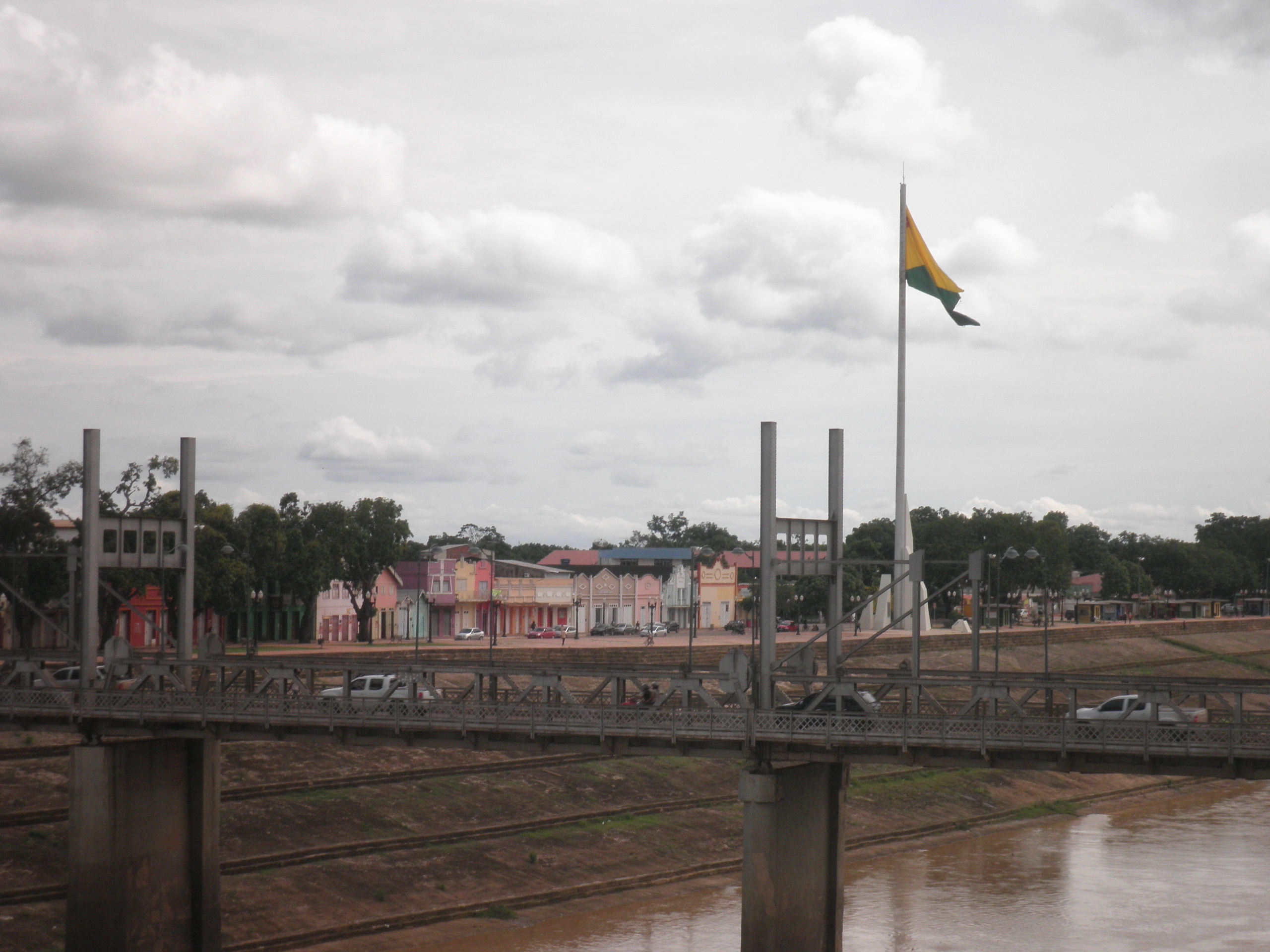
A bridge collapse in Sena Madureira, Acre, left four people injured on the night of Friday, June 5, 2026 [1, 2].
The failure of the Ponte Frei Paolino Baldassari raises urgent questions about infrastructure quality and public safety in the region, as the structure had been flagged for risks immediately before the disaster.
The bridge, which spans the Rio Iaco, collapsed after officials interdicted the site the previous day [1]. This emergency closure was triggered by the risk of collapse of the riverbank margins [1, 5]. Despite the interdiction, structural failure caused the bridge to give way [1, 5].
Emergency responders reported that four people were injured in the incident [1, 2]. Lieutenant Gustavo Marinho said there were injured persons, though the gravity of the injuries was not immediately known [3]. One of the victims is reported to be in grave condition after recording a complaint about the bridge's state minutes before the collapse [4].
The infrastructure project carried a cost of R$ 36 million [1]. Reports indicate that approximately 60% of the structure was compromised [5]. The collapse occurred just two years after the bridge's inauguration [6].
Local authorities and residents have expressed concern over how a high-cost project could suffer such a catastrophic failure so shortly after completion. The incident has highlighted the gap between the official interdiction of the site and the actual prevention of access to the failing structure.
“The bridge, which spans the Rio Iaco, collapsed after officials interdicted the site the previous day.”
The collapse of a R$ 36 million piece of infrastructure only two years after its inauguration suggests systemic failures in either the construction quality or the ongoing maintenance of public works in Acre. The fact that the bridge was interdicted only 24 hours before the collapse indicates that while the risk was identified, the measures to prevent public access were insufficient to protect citizens from a predictable structural failure.


