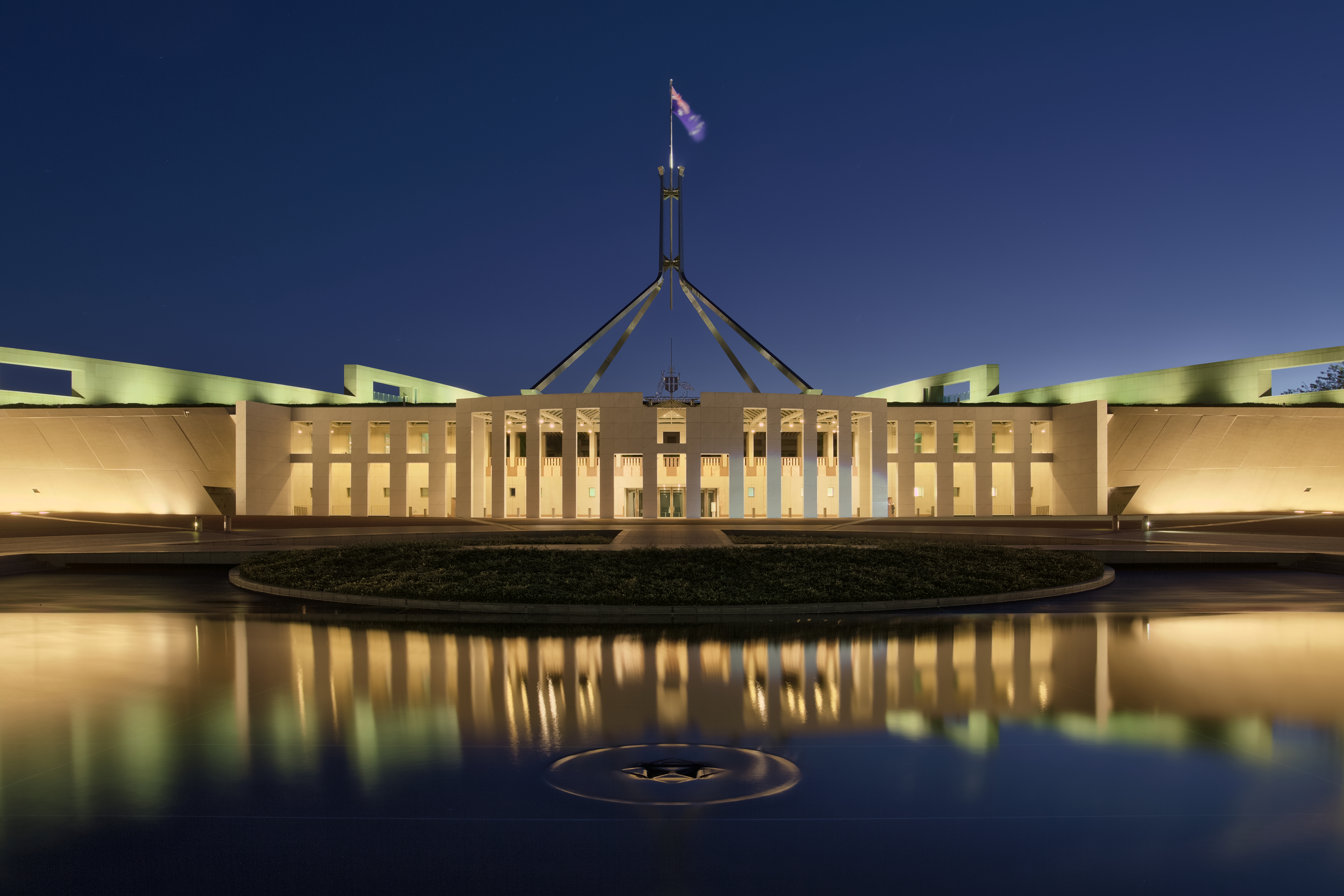
The Australian Council of Trade Unions has revived its campaign for an Indigenous Voice to Parliament [1].
This move signals a strategic attempt by the union movement to apply pressure on the Albanese government. By revisiting a proposal that failed in a national vote, the ACTU is positioning itself to influence the current political landscape and Labor party priorities [1].
Critics of the decision have questioned the timing and intent of the campaign. Caleb Bond, a host with Sky News, said that the union movement is acting because the Labor party is not currently facing sufficient political difficulty [1].
"The union movement has decided that Labor isn’t in enough trouble at the moment, so it’s decided to resurrect the Voice to Parliament," Bond said [1].
The effort to reintroduce the Voice comes after the 2023 referendum results, which saw the Australian public reject the proposed constitutional change [1]. The ACTU's decision to return to the issue has drawn scrutiny regarding whether the move is intended to serve Indigenous interests, or to act as a political lever against the government [1].
Bond said he was skeptical about the utility of reviving the debate so shortly after the referendum outcome [1].
"You have to seriously wonder what they’re playing at bringing this back up again," Bond said [1].
“The ACTU has revived its campaign for an Indigenous Voice to Parliament”
The ACTU's decision to revive the Voice to Parliament campaign represents a challenge to the finality of the 2023 referendum. By pushing a rejected constitutional change, the union is testing the resilience of the current government's mandate and attempting to shift the political discourse back toward a central point of contention between the Labor party and its conservative critics.

'%2F%3E%0A%20%20%20%20%3Crect%20width%3D'1600'%20height%3D'900'%20fill%3D'url(%23v)'%2F%3E%0A%20%20%20%20%3Cg%20opacity%3D'0.08'%20fill%3D'%23ffffff'%3E%0A%20%20%20%20%20%20%3Ccircle%20cx%3D'1420'%20cy%3D'180'%20r%3D'220'%2F%3E%0A%20%20%20%20%20%20%3Ccircle%20cx%3D'1500'%20cy%3D'760'%20r%3D'120'%2F%3E%0A%20%20%20%20%3C%2Fg%3E%0A%20%20%20%20%3Cline%20x1%3D'80'%20y1%3D'172'%20x2%3D'220'%20y2%3D'172'%20stroke%3D'%23ffffff'%20stroke-width%3D'3'%20stroke-opacity%3D'0.6'%2F%3E%0A%20%20%20%20%3Ctext%20x%3D'80'%20y%3D'140'%20font-family%3D'Inter%2C%20-apple-system%2C%20Helvetica%2C%20sans-serif'%20font-weight%3D'700'%20font-size%3D'28'%20fill%3D'%23ffffff'%20letter-spacing%3D'6'%3EHANNA%20%C2%B7%20NEWS%3C%2Ftext%3E%0A%20%20%20%20%3Ctext%20x%3D'80'%20y%3D'230'%20font-family%3D'Inter%2C%20-apple-system%2C%20Helvetica%2C%20sans-serif'%20font-weight%3D'600'%20font-size%3D'40'%20fill%3D'%23ffffffb3'%20letter-spacing%3D'4'%3EWORLD%3C%2Ftext%3E%0A%20%20%20%20%3Ctext%20x%3D'80'%20y%3D'694'%20font-family%3D'Playfair%20Display%2C%20Georgia%2C%20serif'%20font-weight%3D'800'%20font-size%3D'110'%20fill%3D'%23ffffff'%20letter-spacing%3D'-1'%3ESmall%20Plane%20Crashes%20Into%3C%2Ftext%3E%3Ctext%20x%3D'80'%20y%3D'820'%20font-family%3D'Playfair%20Display%2C%20Georgia%2C%20serif'%20font-weight%3D'800'%20font-size%3D'110'%20fill%3D'%23ffffff'%20letter-spacing%3D'-1'%3ECITIC%20Tower%20in%20Beijing%3C%2Ftext%3E%0A%20%20%20%20%3Ctext%20x%3D'80'%20y%3D'870'%20font-family%3D'Inter%2C%20-apple-system%2C%20Helvetica%2C%20sans-serif'%20font-weight%3D'500'%20font-size%3D'22'%20fill%3D'%23ffffff66'%20letter-spacing%3D'2'%3Enews.hanna-ai.com%3C%2Ftext%3E%0A%20%20%3C%2Fsvg%3E)