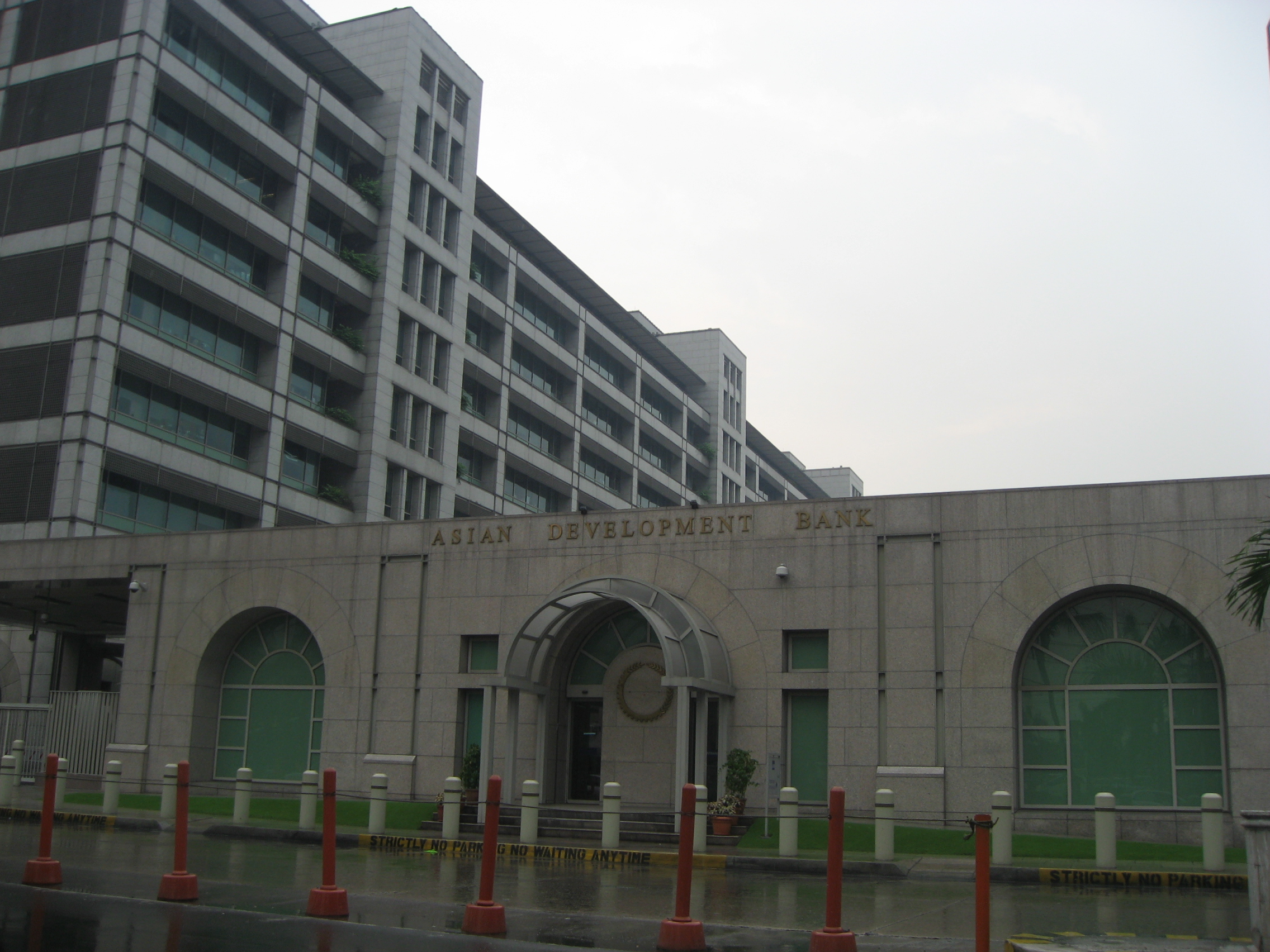
The Asian Development Bank lowered its 2026 economic growth forecast for the Asia-Pacific region to 4.7% [1].
This revision signals a growing vulnerability in regional economies to external geopolitical shocks. As energy costs rise and trade routes are disrupted, the shift suggests that previous assumptions about the stability of global supply chains were overly optimistic.
The update, released April 29, excludes some developed nations including Japan [2]. The bank had previously projected a growth rate of 5.1% on April 10 [1]. For 2027, the growth forecast is now set at 4.8% [1].
President Kanda said the adjustment reflects the worsening crisis in the Middle East. The bank determined that the situation in the region has persisted longer than initially expected, leading to higher energy prices and significant trade instability [2].
Inflationary pressures are also expected to intensify. The ADB raised its inflation forecast for 2026 to 5.2% [1], a sharp increase from the previous estimate of 3.6% [1].
There are further risks if geopolitical tensions escalate. The bank outlined a lower-bound scenario for 2026 growth of 4.2% if the situation in the Middle East worsens further [1].
“The revision signals a growing vulnerability in regional economies to external geopolitical shocks.”
The rapid shift in forecasts—occurring in less than three weeks—indicates that the Asian Development Bank views the current Middle East instability as a systemic risk rather than a temporary fluctuation. By raising inflation expectations while lowering growth, the ADB is describing a 'stagflationary' pressure where costs rise but economic activity slows, potentially forcing central banks in the region to maintain higher interest rates for longer to combat rising prices.


