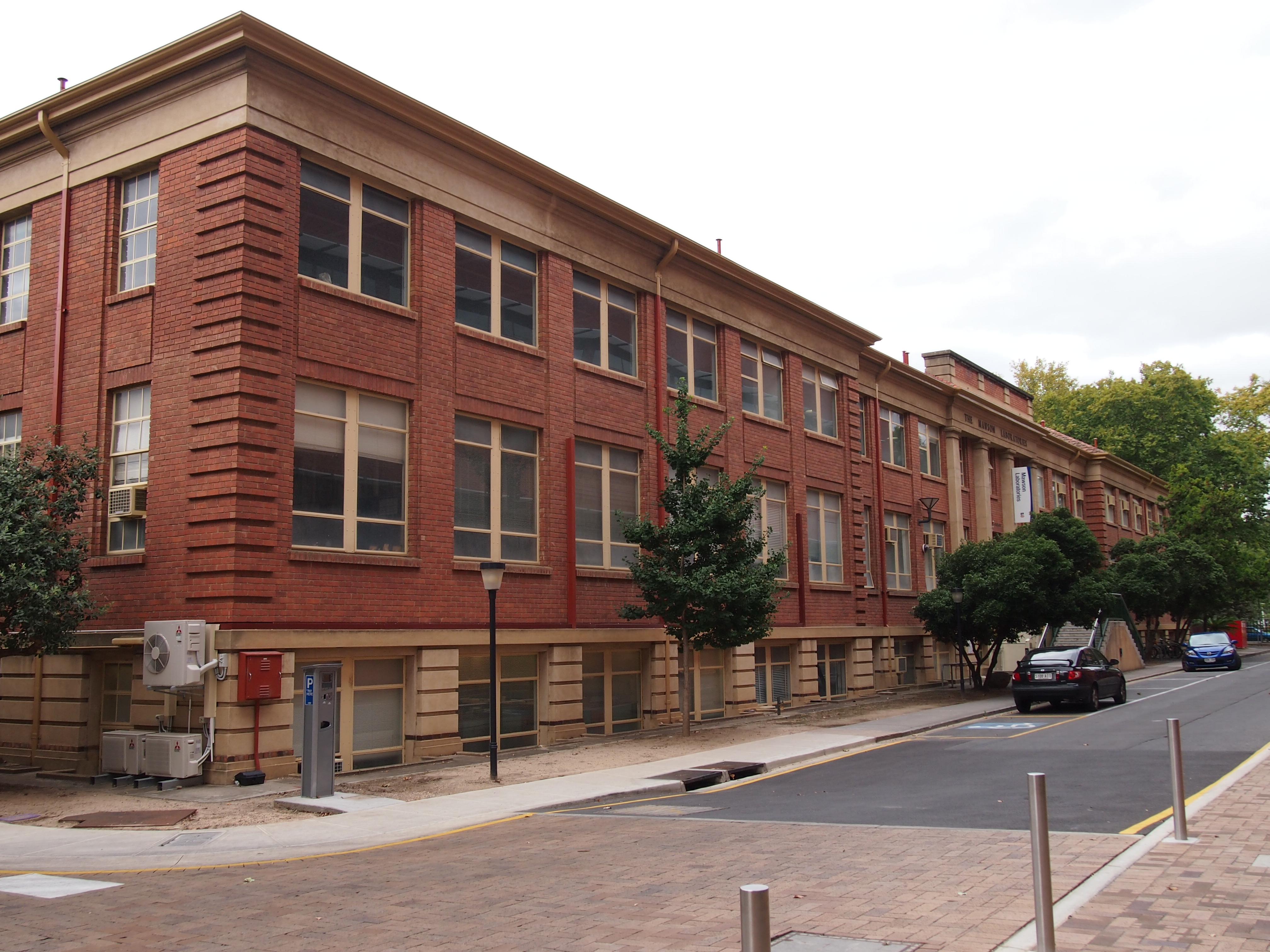
Researchers at Adelaide University have proposed using agricultural waste to raise protein-rich black soldier fly larvae for human food [1, 2].
This approach seeks to address global food security by converting organic waste into a viable nutrient source. By repurposing agricultural byproducts, the method aims to reduce the environmental footprint of traditional protein production, and minimize landfill waste.
The process involves utilizing the natural feeding habits of the black soldier fly. These larvae are capable of consuming a wide variety of organic materials, transforming low-value agricultural waste into high-protein biomass [1, 2]. This conversion creates a circular economy where waste from the crop sector directly fuels the production of animal-based proteins for people.
Developing such a system could lower the reliance on soy and fishmeal, which are common but resource-intensive protein sources. The researchers focused on the ability of these larvae to thrive on waste streams that would otherwise be discarded [1, 2].
Integrating insect protein into the human diet remains a challenge in some regions due to cultural preferences. However, the nutritional profile of black soldier fly larvae makes them an attractive candidate for sustainable food additives, or processed ingredients [1, 2].
Adelaide University continues to investigate the safety and efficiency of this waste-to-protein pipeline. The goal is to establish a scalable model that can be implemented across different agricultural landscapes to bolster food resilience [1, 2].
“Agricultural waste can be used to raise protein‑rich black soldier fly larvae for human food.”
The shift toward insect-based proteins represents a strategic move toward circular agriculture. By decoupling protein production from land-heavy livestock or ocean-dependent fisheries, this method provides a scalable way to mitigate food shortages and reduce the methane emissions associated with rotting agricultural waste in landfills.


