
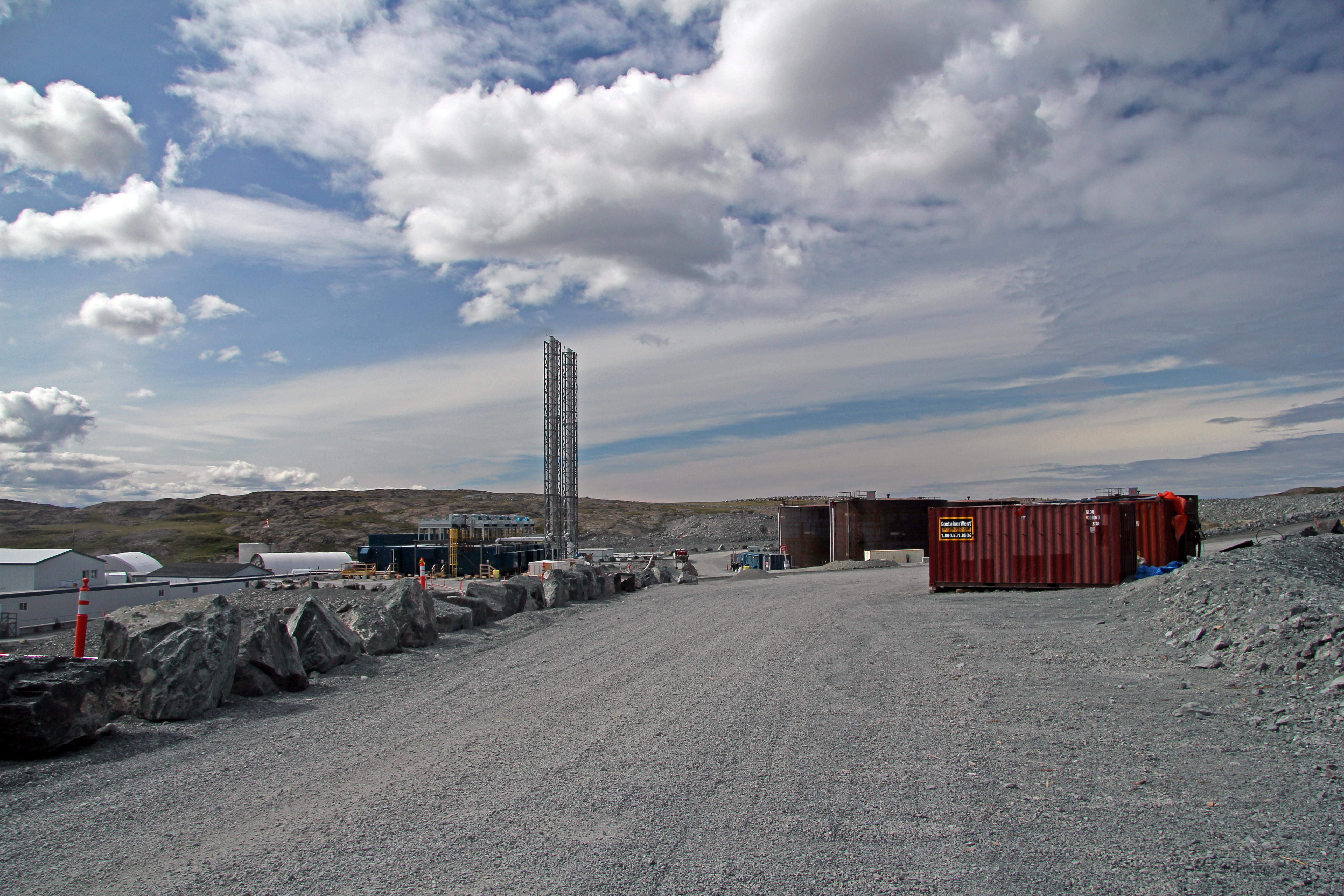
Agnico Eagle CEO Ammar Al-Joundi said he will keep gold production costs at the Hope Bay Mine below $1,000 per ounce [1].
This cost-containment strategy is critical for the company to maintain profitability and reassure gold investors regarding the viability of its remote operations. By optimizing logistics in the Canadian Arctic, the company seeks to mitigate the high overhead typically associated with northern mining.
To achieve this target, the company plans to utilize Arctic barge shipping through the Northwest Passage to transport materials to the Hope Bay Mine in Nunavut, Canada [2]. This logistical approach is designed to reduce the expenses tied to transporting equipment and supplies to the isolated site.
"We are confident that barge transport through the Northwest Passage will allow us to keep the cost of producing gold at Hope Bay under $1,000 per ounce," Al-Joundi said [1].
The commitment was made on May 20, 2024, as part of a broader effort to stabilize production expenses [2]. The company's reliance on the Northwest Passage reflects a strategic bet on seasonal maritime corridors to bypass more expensive overland or air-based logistics.
Maintaining a cost basis under $1,000 per ounce [1] provides a significant buffer against fluctuations in the global gold price. The use of barges allows for the movement of larger volumes of supplies in a single trip, reducing the per-unit cost of logistics for the mine's operations.
“Agnico Eagle aims to keep gold production costs at the Hope Bay Mine below $1,000 per ounce.”
The strategy highlights the increasing importance of Arctic maritime routes for industrial logistics. By leveraging the Northwest Passage, Agnico Eagle is attempting to transform a geographical challenge into a competitive advantage, signaling to investors that remote mineral extraction can remain economically sustainable despite the extreme environment of Nunavut.


