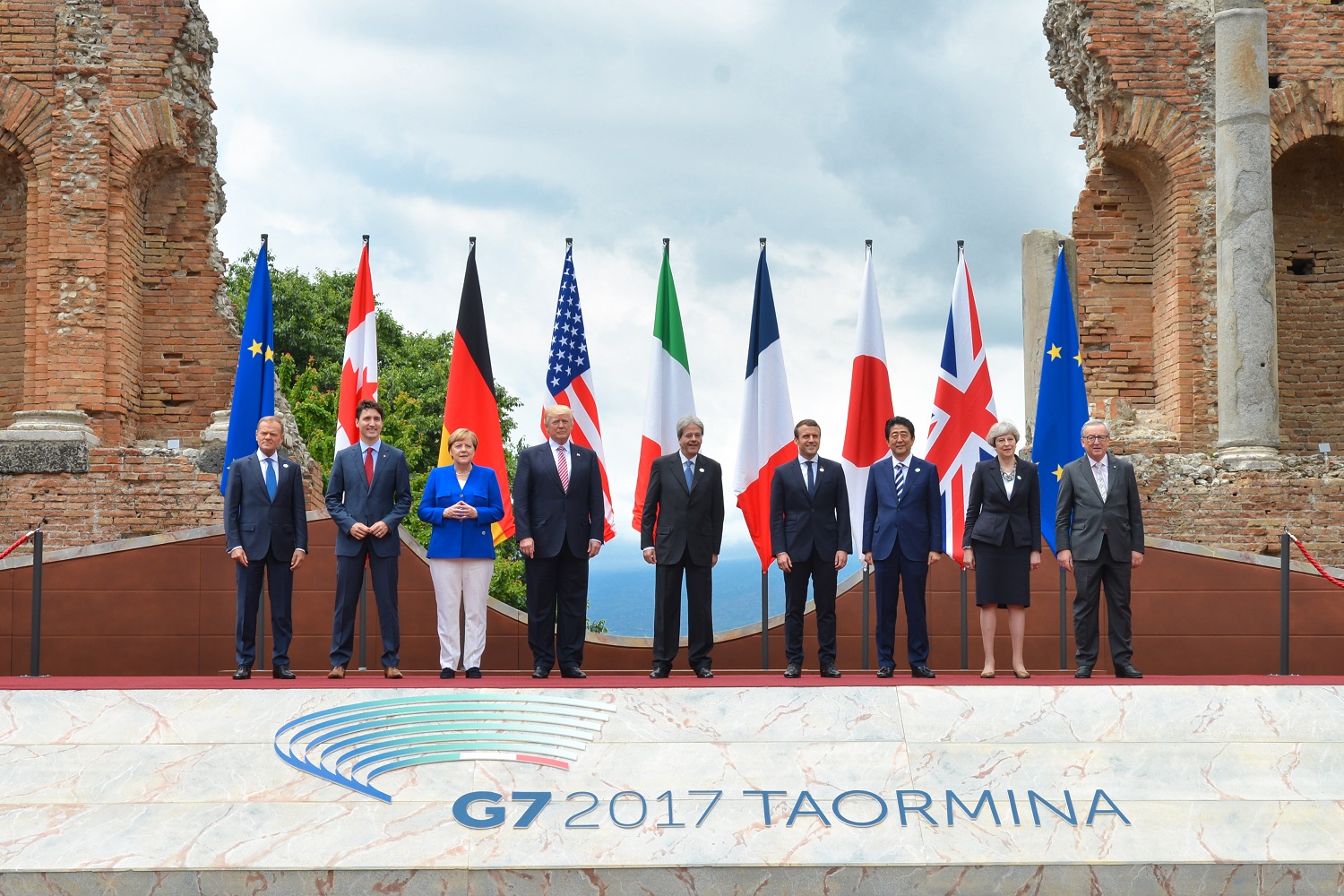
Executives from four major AI companies attended the G7 summit in the French Alps to discuss artificial intelligence policy and online safety [1].
The gathering marks a critical effort by European leaders to shape global AI governance and counterbalance the perceived dominance of the U.S. industry [2].
Representatives from Google, OpenAI, Anthropic, and Mistral AI participated in the discussions [1]. The meetings took place as part of the broader G7 summit, which concluded on Wednesday, June 17, 2026 [3].
European officials sought to establish checks on the influence of American technology firms during the three days of talks [4]. The discussions focused on the intersection of rapid technological advancement and the necessity of maintaining online safety standards across borders [5].
While the summit covered various weighty topics, the presence of these specific tech executives highlights the shift toward integrating private sector leadership into high-level geopolitical diplomacy [6]. The venue in the French Alps served as the backdrop for these negotiations between political leaders and the architects of generative AI [5].
Policy goals for the European bloc include creating a regulatory framework that prevents a single region from monopolizing the AI sector [2]. By engaging directly with the executives, G7 leaders aimed to align safety protocols with the commercial realities of AI development [1].
“European leaders want to shape AI governance and counterbalance perceived U.S. dominance in the AI industry.”
The inclusion of AI executives at a G7 summit signals that artificial intelligence has moved from a purely technical or commercial concern to a primary pillar of international diplomacy. As European nations push for regulatory guardrails, the tension between fostering innovation and curbing U.S. corporate hegemony will likely define future trade and safety agreements between the West's leading economies.