Medical students and doctors warn that reliance on artificial intelligence tools may prevent trainees from developing independent clinical judgment.
This trend poses a systemic risk to healthcare because it threatens the foundational ability of physicians to reason through complex diagnoses without digital assistance.
In a commentary published Monday [1], journalist and medical student Simar Bajaj and Joseph Sakran highlighted the risk of "never-skilling." While deskilling occurs when a trained professional loses a skill, never-skilling happens when a student relies on a tool before the skill is ever acquired.
Bajaj said the danger is not just deskilling but never-skilling [2]. This shift in education could create a generation of doctors who cannot function if AI systems fail or provide incorrect guidance.
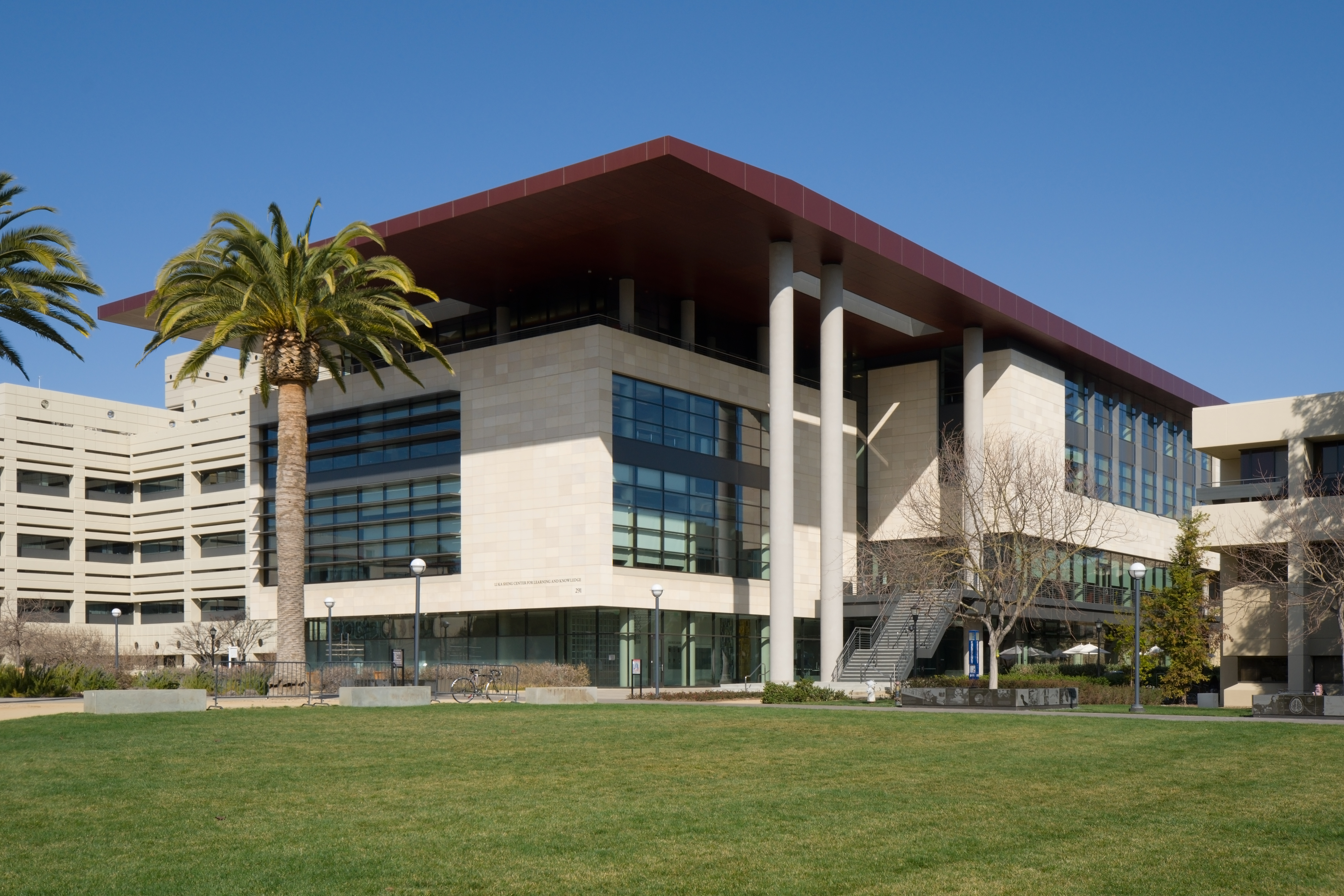
The warnings reference the environment at the Stanford University School of Medicine in the U.S. [1]. The authors suggest that the integration of AI into the earliest stages of medical training may bypass the cognitive struggle required to master clinical reasoning.
Some observers suggest that the recovery process for such a loss of skill is uneven. A Futurism author, quoted in an MSN report, said that although a doctor who has forgotten how to reason is recoverable, one who never learned how may not be [3].
The commentary suggests that medical AI tools can sometimes be less reliable than general chatbots, increasing the risk when students treat these outputs as absolute truth [3]. Without a baseline of independent knowledge, trainees may lack the critical thinking necessary to spot AI hallucinations, or errors, in a clinical setting.
“The danger is not just deskilling but never-skilling.”
The shift toward AI-assisted learning in medicine represents a tension between efficiency and competency. If clinical reasoning is outsourced to software during the formative years of medical school, the medical profession risks a loss of human expertise that cannot be easily restored, potentially compromising patient safety during system outages or complex cases where AI lacks nuance.


