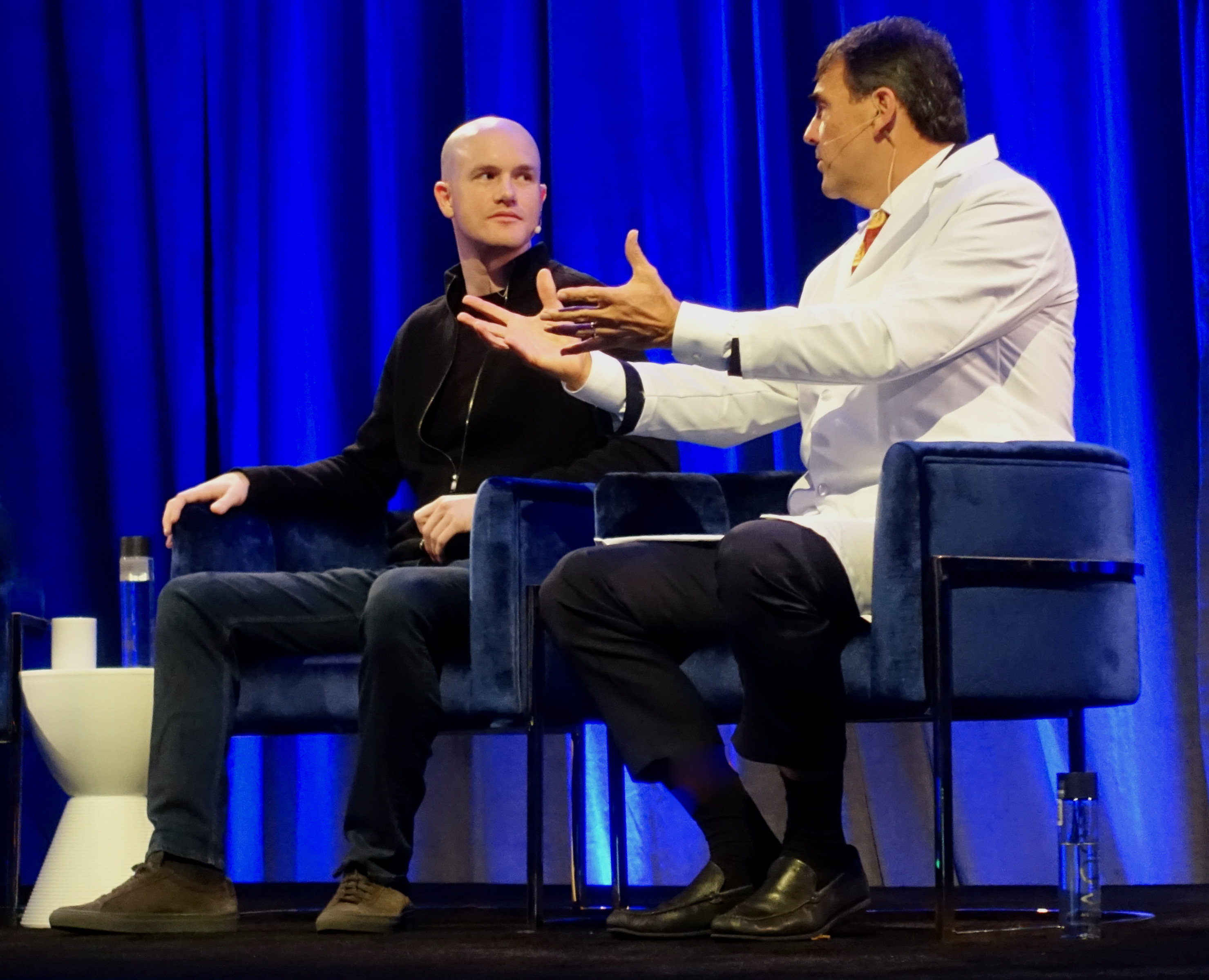
Radhakrishnan Rajagopalan, Chief Delivery and Technology Officer at Ascendion, said how AI-native engineering is transforming global enterprises on CNBC-TV18.
This shift represents a fundamental change in how companies execute innovation. As artificial intelligence moves from a peripheral tool to the core backbone of corporate infrastructure, organizations must redesign their engineering playbooks to remain competitive.
The discussion took place during a special episode of "WeWork India presents CNBC-TV18 The Titans," co-presented by PhonePe and Ascendion. Rajagopalan and other industry leaders explored why AI is rapidly becoming the central driver of enterprise growth and execution [1].
While some sectors see AI as a growth engine, the transition has not been without volatility. The software sector experienced a market value loss of $300 billion during the first five days of February 2026 [2]. Some analysts suggest this disruption was triggered by the launch of agentic AI platforms, though others argue that these technologies are now driving full-scale deployment and innovation [2, 3].
Risk management has become a priority as these tools scale. Girish Joshi, who has more than 25 years of experience leading digital shifts, said the pace of AI evolution has introduced new risks for organizations [3, 4]. This necessitates the implementation of stricter guardrails to ensure stability during rollouts.
To address these challenges, major providers are pivoting toward specialized agents. A Google Cloud spokesperson said the company is on a mission to accelerate the adoption of artificial intelligence agents across enterprise computing environments [5].
Cost and flexibility also remain primary concerns for executives. Joe Logan of iManage said open-source AI models offer lower costs and greater flexibility for enterprises [6]. This suggests a diversifying landscape where companies mix proprietary agents with open-source frameworks to optimize their technology stacks.
“AI is rapidly becoming the backbone of enterprise growth, innovation, and execution”
The transition to AI-native engineering marks a move away from simply adding AI features to existing software toward building entire business processes around artificial intelligence. The tension between the $300 billion market volatility in early 2026 and the push for full-scale deployment indicates a period of 'creative destruction' where legacy software models are being replaced by agentic AI frameworks.