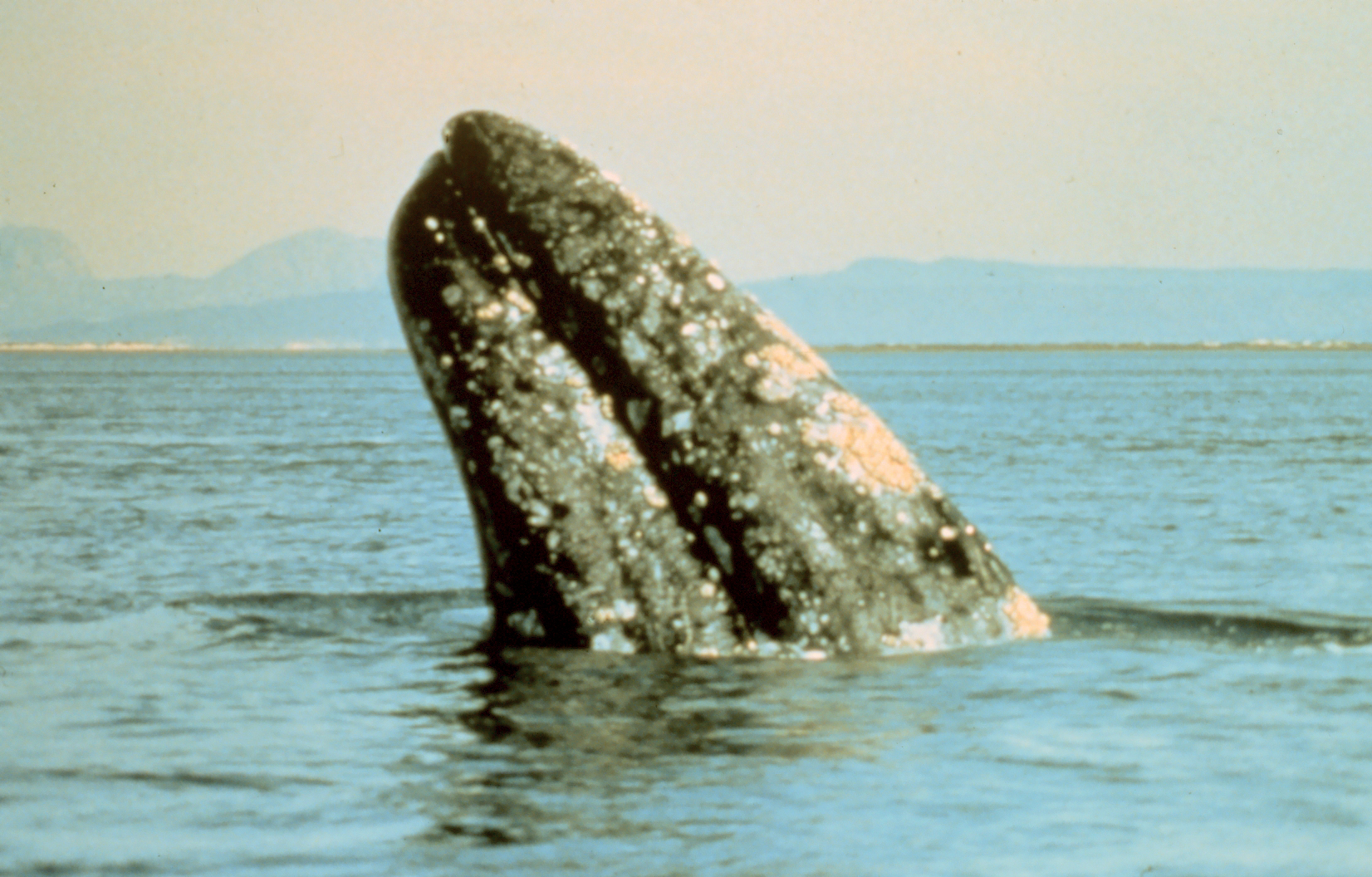
Scientists have deployed AI-powered thermal-imaging cameras in San Francisco Bay to detect gray whales and alert ships to prevent collisions [1, 2].
This technology addresses a critical conservation crisis in California waters. Gray whales entering the bay face a high mortality rate, largely driven by ship strikes, making real-time detection essential for the species' survival [2, 4].
The system utilizes thermal imaging to identify the specific body heat signatures of whales against the cooler ocean water [1, 2]. These AI detectors can spot whale heat signatures from up to one mile away [2], providing a vital buffer for vessel operators to adjust their course or speed.
Researchers developed the system because of the frequency of deaths in the region. Approximately 20% of gray whales that enter San Francisco Bay die there [3]. By integrating AI with thermal sensors, the project aims to bridge the gap between human visibility and the actual presence of whales in busy shipping lanes [1, 3].
The deployment focuses on the San Francisco Bay area, where the intersection of heavy maritime traffic and whale migration creates a high-risk environment [1, 2]. The AI system processes imagery in real-time to issue warnings to ships, reducing the likelihood of fatal encounters [1, 3].
This initiative represents a shift toward automated monitoring in marine conservation. While traditional sightings rely on human observers, the thermal AI operates regardless of lighting conditions or surface visibility, factors that often contribute to accidental strikes [2, 3].
“Approximately 20% of gray whales that enter San Francisco Bay die there”
The integration of AI-driven thermal imaging into maritime safety protocols marks a transition from reactive to proactive whale protection. By automating the detection of heat signatures, conservationists are attempting to lower the 20% mortality rate through technological intervention, potentially creating a scalable model for other high-traffic shipping corridors globally.